Melanoma and Skin Cancer Awareness Month: Tips for skin safety
Melanoma is one of the deadliest skin cancers and is mostly caused by intermittent sun exposure and the intense exposure that results in being sunburned. There also are those who are genetically predisposed to this type of cancer. Dr. Ida Orengo, chair of the Department of Dermatology at Baylor College of Medicine, shares some tips on how you can protect your skin.
“Most skin cancers don’t have symptoms. That’s why some people allow them to get so big and don’t get them diagnosed early,” Orengo said.
When doing a skin check for melanoma, use your ABCs.
- A – asymmetry. If you “cut” a mole in half on your skin, does one side not equal the other side?
- B – border irregularity. Is your mole not a perfect circle but instead notched?
- C – color variation. Are moles on your skin two or more colors?
- D – diameter. Is the diameter of your mole greater than a pencil eraser or 6 millimeters?
“We’d like to catch moles before they are 6 millimeters. Really, we’d like to catch them when they are the size of a pin,” Orengo said.
- E – evolution. Has your mole changed shape or color over time?
- F – family history. Do you have a family history of melanoma? Some patients are genetically predisposed to melanoma.
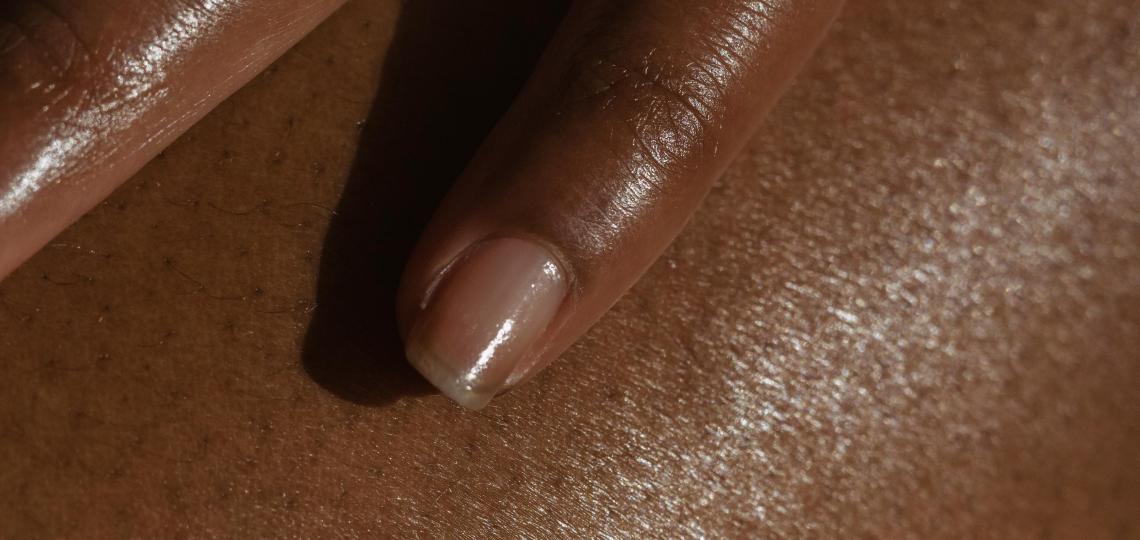
Melanoma doesn’t discriminate against a certain skin tone.
“Anyone can get melanoma. It’s not going to be specific for one skin tone or skin type. We tend to see more melanomas in lighter-skinned individuals, but we do see them in darker-skinned individuals as well,” Orengo said.
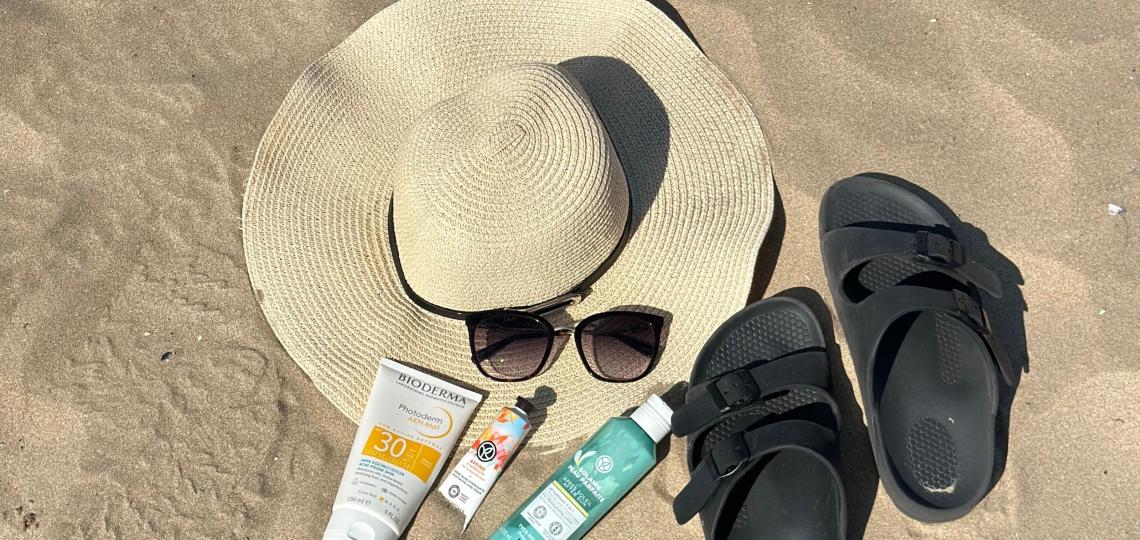
There are multiple ways you can protect your skin from the sun. One is wearing sunscreen, physical (mineral) or chemical, with at least SPF 30. Make sure to apply it about 20 minutes before you go outside and reapply every couple of hours. In addition to sun protection, today’s sunscreens often contain anti-aging ingredients.
“Avoid the sun when it is the most intense – between 10 a.m. and 4 p.m. Wear protective clothing made of tightly woven material like a cotton polyester blend or clothing that is specifically made for sun protection. Wear sunglasses and a solid material hat with at least a three-inch brim,” Orengo said.
If you see moles on your body changing, getting bigger or smaller, turning pink or even starting to itch, see your dermatologist. Check your moles monthly to look for changes; the American Academy of Dermatology has information on how to examine your skin.