
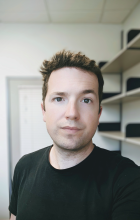
Chad Johnston, Ph.D. awarded NIH R21 grant
Chad Johnston, Ph.D. has been awarded an NIH R21 grant for “Structures and functions of natural products in periodontal disease.”
The oral microbiome plays a crucial role in maintaining oral health and our overall well-being. Dysbiosis in this community drives diseases such as dental caries and periodontitis, which are respectively associated with the pathogens Streptococcus mutans and Porphyromonas gingivalis. Most Americans will be affected by periodontal disease in their lifetime, and severe periodontitis is linked to systemic health issues including atherosclerosis, arthritis, and neurological disorders. While periodontitis can be treated with physical plaque removal and broad-spectrum antibiotics, these drugs exacerbate dysbiosis by harming beneficial bacteria, increasing the risk of recurrent resistant infection. In this proposal, they seek to broaden this paradigm and investigate the role of microbial natural products in periodontal disease.
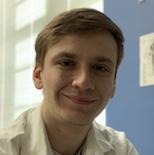
Trainee Lathan Lucas, Ph.D. will participate in NIH F32 Postdoctoral Fellowship
Trainee Lathan Lucas, Ph.D. will participate in an NIH F32 Postdoctoral Fellowship for “Synergy in Condensation: Tau and Aβ in Alzheimer's Disease” with mentor Allan Ferreon, Ph.D.
Alzheimer’s disease (AD) is the leading cause of dementia, affecting over 6.7 million people in the United States, yet the mechanisms underlying its pathology remain incompletely understood. In virtually every case of AD, extracellular amyloid-beta (Aβ) plaques and intracellular Tau neurofibrillary tangles co-occur, suggesting significant interplay between these two proteins. Although a direct link between Aβ plaque formation and Tau tangle deposition is still being elucidated, recent evidence indicates that soluble, intracellular Aβ oligomers can bind Tau and promote its aggregation. Both Aβ and Tau are intrinsically disordered proteins that undergo liquid– liquid phase separation (LLPS), forming protein-dense biomolecular condensates that can either facilitate physiological function or propagate pathological aggregation in neurons. Our preliminary data show that Tau condensates can adopt either a physiological state, recruiting tubulin to stabilize microtubules and resist aberrant aggregation, or a pathological one, where Aβ recruitment triggers fibril formation. Accordingly, we seek to characterize how Tau:Aβ interactions within condensates drive pathological aggregation, clarifying the kinetics of oligomeric species formation and identifying potential therapeutic targets. Additionally, we will determine whether reinforcing functional Tau:tubulin interactions can prevent or reverse the formation of pathogenic Tau:Aβ assemblies.
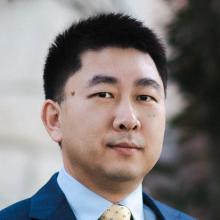
Jin Wang, Ph.D. awarded NIH RO1 grant
Jin Wang, Ph.D. has been awarded an NIH RO1 grant for “Targeting VAV1 Scaffolding and Enzymatic Functions in Multiple Sclerosis via Brain-Penetrant Molecular Glue Degraders.”
Multiple Sclerosis (MS) is a chronic autoimmune disease of the central nervous system (CNS) with significant unmet medical needs, as current therapies offer limited efficacy against neurodegeneration and can have considerable side effects. VAV1, a key signaling protein predominantly expressed in hematopoietic cells, plays a crucial role in T and B lymphocyte activation and is genetically and functionally validated as a therapeutic target in MS. This project proposes an innovative approach to target VAV1 through the development of brain-penetrant molecular glue (MG) degraders.
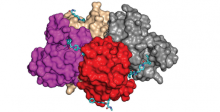
A faster, less expensive approach identifies highly specific anti-cancer compounds
The researchers conducted 3D molecular studies to determine the precise location on the BD1 protein to which the BD1-inhibitor binds. They discovered that the BD1-inhibitor binds to a shallow area on the BD1 protein – this is not seen in other BD1 inhibitors. This finding represents a new opportunity to explore other BD1-selective inhibitors. View BCM blog article.