
Organized by Cullen Eye Institute and Department of Ophthalmology, Baylor College of Medicine
Sponsored by Retinal Research Foundation
The Vision Club Seminar Series provides a platform to connect vision research investigators and clinicians for scientific discussion and research collaboration. The seminar series attracts vision research scientists from the Texas Medical Center as well as from the United States and around the world. The goal of this platform is to develop a rich academic environment, cultivate new scientific ideas and advance the frontier of vision research. Our monthly events are open to all members of the vision research community and are generally held at 3 – 4 p.m. (unless otherwise specified) on the second Tuesday of every month.
Seminar Online Link
Or in-person at Cullen Eye Institute Auditorium, NC202, 6565 Fannin St., Houston, TX 77030
Contact Jenna for any questions.
Seminar Speakers 2026
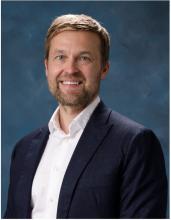
Seminar Title: Mechanisms of Ischemic Injury in the Retina
Time: 11 a.m. via Teams and in person
Speaker Bio: Dr. Frans Vinberg is an Associate Professor of Ophthalmology and Visual Sciences at the University of California, Irvine School of Medicine, and the Co-Founder and Chief Scientific Officer of Eyescreen, Inc. He earned an M.Sc. from the Helsinki University of Technology, a D.Sc. from the Aalto University School of Science, and completed his postdoctoral training with Dr. Vladimir Kefalov at the Washington University School of Medicine in St. Louis. His lab investigates the physiological and pathophysiological mechanisms of mammalian photoreceptors and retinal pigment epithelium cells using ex vivo and in vivo electroretinography, imaging, and molecular biology approaches. Some of his key contributions include uncovering homeostatic plasticity mechanisms in retinal degeneration, mapping calcium regulation in rods and cones, and successfully reviving light signaling in postmortem human donor retinas. His lab also explores preclinical platforms for ophthalmic drug discovery to treat retinal ischemic injuries and blinding diseases like macular degeneration.
Seminar Summary: The retina is part of the central nervous system and, thus, sensitive to ischemic injury. Yet the sequence by which neural signaling is lost under an ischemic insult, and the window in which it can still be rescued, remain poorly defined. This is a critical question for central retinal artery occlusion and ischemia-reperfusion injury more broadly. This talk examines the factors and mechanisms that compromise light signaling from photoreceptors to ganglion cells during ischemic injury. We use functional human donor retina alongside an ex vivo mouse model to study the mechanisms of ischemic, and specifically hypoxic, injury across rods versus cones and between the central and peripheral human retina. By dissecting the ischemic insult into its components, we find that glucose deprivation primarily impairs phototransduction and is fully reversible, whereas hypoxia irreversibly impairs both light signal generation and transmission. Hypoxia acts through several pathways, including mitochondrial fission and a reduced number of docked vesicles at photoreceptor synapses, rather than cell death alone. Targeting ROS-generating pathways mitigates rod photoreceptor damage caused by hypoxic injury. Together, these findings and future work will clarify the susceptibility of different retinal cell types and neuronal circuits to ischemic insult, determine how these cellular processes recover, and identify where neuroprotective interventions are most likely to succeed.

Seminar Title: The Cornea: A Window into the Immune System, from Microbes to Nerves
Time: 11 a.m. via Teams and in person
Speaker Bio: Anthony St. Leger, Ph.D., is an Associate Professor of Ophthalmology and Immunology at The University of Pittsburgh School of Medicine. His research program consists of two main pillars: 1) the influence of the local microbiome on ocular surface health and disease, and 2) defining neuroimmune communications in the cornea. He combines murine and human studies to identify causal links between microbes and host responses. One of his ultimate goals is to leverage these interactions to alleviate ocular surface disease.
Seminar Summary: The maintenance of corneal health requires dynamic communication between the microbiome, immune system, and sensory nervous system. Using both mouse and human studies, this seminar will reveal how commensal microbes support protective immunity, how microbial pathogens disrupt neuroimmune signaling pathways to drive ocular surface disease, and how these communication networks can be therapeutically targeted to restore tissue homeostasis and preserve vision.
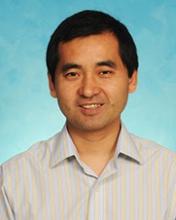
Seminar Title: Metabolic Ecosystem in Retinal Health
Time: 3 p.m. via Teams and in person
Speaker Bio: Jianhai Du, Ph.D., an associate professor of Ophthalmology and Visual Sciences at the University of Wisconsin-Madison, studies retina metabolism. His lab investigates tissue- and cell-specific nutrient utilization and transport in healthy and diseased retina and retinal pigment epithelium. By combining advanced metabolomics with genetics, his team seeks to discover novel metabolic pathways and nutritional approaches to fight against blindness in retinal degenerative diseases.
Seminar Summary: The function, survival, and high metabolic demands of retinal photoreceptors rely heavily on the specialized support of neighboring retinal pigment epithelial (RPE) cells and Müller glia. Lacking a direct blood supply, photoreceptors depend on the RPE to facilitate the transport of essential nutrients from the choroidal vasculature. Müller glia maintain the retinal microenvironment by recycling neurotransmitters and generating critical antioxidants to mitigate oxidative stress. Dysregulation of these support mechanisms is a central driver in the pathogenesis of various retinal degenerative diseases, including inherited retinal degenerations, age-related macular degeneration, and diabetic retinopathy. This seminar will explore the unique metabolic features of RPE cells and Müller glia, and discuss how these cell-specific pathways are essential for photoreceptor survival. Additionally, we will discuss how understanding these metabolic interdependencies translates to advancements in retinal organoid culture, disease modeling, and the development of therapeutic interventions.
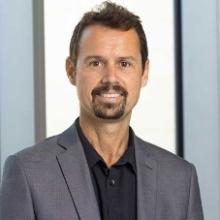
Seminar Title: Engineering the Extracellular Matrix: Mimetics and Miniprotein Binders for Ocular Disease Therapy
Time: 3 p.m. via Teams and in person
Speaker Bio: Dr. Tarsis F. Gesteira is an Assistant Professor at the University of Houston College of Optometry. He earned his B.S. in Biological Sciences, his M.S. in Molecular Biology, and his D.Sc. in Biochemistry from the Federal University of São Paulo in Brazil, and completed postdoctoral training at Cincinnati Children's Hospital in developmental biology, at Imperial College London in computational chemistry, and at the University of Cincinnati in optometry before joining UHCO in 2022. Over more than two decades, Dr. Gesteira has built a research program devoted to defining protein structure and function and translating that understanding into protein-based therapeutics, with expertise that spans molecular dynamics and docking, protein and glycoprotein chemistry, proteomics, enzymology, and biophysics. His laboratory designs extracellular matrix-derived therapeutics for ocular disease, with particular emphasis on fibrosis and pathological angiogenesis, including de novo miniprotein binders and engineered mimetics directed against growth factors and cytokines such as TGF-β and the VEGF family. At UHCO, he has established four integrated research laboratories spanning protein expression, molecular biology, protein chemistry, and computational protein design. He earlier co-founded Optimvia LLC, whose enzyme and protein engineering work toward biosynthetic heparin yielded issued U.S. patents, and he has since filed several provisional patents arising from his miniprotein binder platform.
Seminar Summary: The extracellular matrix is too often regarded as a passive scaffold, but it is anything but inert. It dictates cellular behavior, tunes growth factor signaling, and directly shapes tissue homeostasis and repair. Despite decades of study, we still lack a fundamental understanding of how many of its components interact at the molecular level. The binding affinities of most matrix molecules, including proteoglycans such as decorin and lumican, remain largely uncharacterized, which makes rational therapeutic design difficult. In this talk, I will describe our efforts to engineer matrix-targeted therapeutics along two complementary lines. First, we are developing high-affinity miniprotein binders of VEGF, designed using deep-learning-guided protein design, to counter corneal and retinal neovascularization. These binders reach nanomolar affinity and are small enough to penetrate the cornea far more effectively than full-length antibodies. Second, I will introduce engineered decorin mimetics with improved stability and enhanced binding to TGF-β1, a central driver of tissue fibrosis. These high-affinity mimetics not only block myofibroblast differentiation but also promote corneal regeneration without cytotoxic effects. Across both efforts, our work is driven by the recognition that the extracellular matrix sits at the center of disease and repair, and that we are still only beginning to map its molecular intricacies. My goal is to open new avenues for treating ocular diseases where current therapies fall short, and ultimately to help resolve some of the long-standing questions in extracellular matrix biology.
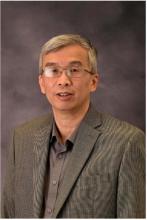
Seminar Title: Immune Cell Interactions in Models of Retinal and RPE Degeneration
Time: 3 p.m. via Teams and in person
Speaker Bio: Jiyang Cai, Ph.D., is the Professor of Ophthalmology and Director of the Vision Research Group at McGovern Medical School, UTHealth Houston. He received his M.D. from Shanghai Medical University, earned his Ph.D. in Pharmacology and Toxicology from Emory University, and completed postdoctoral training at Yale University. After beginning his career studying mitochondrial signaling in apoptosis, he transitioned to vision research at Vanderbilt University, where he initiated studies on biomarkers of age-related macular degeneration (AMD). His current research focuses on retinal degeneration, AMD, subretinal fibrosis, and immune cell profiling in the retina and choroid. Dr. Cai has published approximately 80 peer-reviewed papers with more than 20,000 citations and was recently recruited to UTHealth Houston to lead the rebuilding of its vision research program.
Seminar Summary: Inflammation and immune responses play central roles in the progression of retinal diseases and in determining therapeutic outcomes, yet the key cellular mediators of these processes remain poorly understood. The choroid is highly enriched with immune cells, and we have characterized the transcriptomic profiles of choroidal immune populations, identifying multiple cell clusters with important functions under stress conditions associated with aging and age-related degeneration. We previously reported that choroidal gamma delta T cells produce interleukin-17, initiating a signaling cascade that modulates the protective functions of subretinal microglia. More recently, we identified CD8+ T cells with features of tissue-resident memory T cells that promote the development of laser-induced choroidal neovascularization. These findings suggest that effective therapies may require carefully balancing protective versus pathogenic immune responses. In parallel, we have investigated retinal pigment epithelium (RPE)-derived extracellular vesicles and their microRNA cargo as a strategy to modulate subretinal microglial function. Together, these studies provide new insights into immune regulation in the subretinal environment and support the development of targeted immunomodulatory therapies for retinal degenerative diseases.

Seminar Title: Rebalancing mTOR in Retinal Pigmented Epithelial Cells as a Therapy for Dry Age-related Macular Degeneration
Time: 3 p.m. via Teams and in person
Speaker Bio: Debasish Sinha, Ph.D., is the Frieda Derdeyn Bambas Professor of Ophthalmology at the Wilmer Eye Institute, The Johns Hopkins University School of Medicine. He holds a joint appointment in the Department of Environmental Health Sciences at the Bloomberg School of Public Health and is a faculty member in the Visual Science Training Program and the Graduate Program in Pathobiology. Dr. Sinha received his Ph.D. in immunology and completed postdoctoral training in molecular biology at the Medical University of South Carolina and at the National Eye Institute, NIH, where he made seminal contributions to understanding immune privilege in the eye, including the role of Macrophage Migration Inhibitory Factor in NK cell suppression. He subsequently joined Metamorphix, Inc., where his work on growth and differentiation factor inhibitors led to US and international patents, with compounds now being pursued for muscle-wasting diseases. His laboratory at Wilmer focuses on the molecular mechanisms underlying dry age-related macular degeneration (AMD), with particular emphasis on lysosomal function, autophagy, and mTOR signaling in retinal pigment epithelial (RPE) cells. His most recent work identified a non-canonical AKT1–TERT–FOXO3 transcriptional axis that governs autophagy and ER quality control in the RPE and led to the development of a first-in-class allosteric AKT2 inhibitor as a therapeutic strategy for dry AMD. He is cofounder of Ikshana Therapeutics, a start-up company entering Phase 1 clinical trial for dry AMD gene therapy this fall. Dr. Sinha’s research has been funded by the National Institutes of Health (National Eye Institute, NICHD, and NIDA), Bayer HealthCare, F. Hoffmann-La Roche Ltd., Astellas Pharma, BrightFocus Foundation, Research to Prevent Blindness, Foundation Fighting Blindness, the Edward N. & Della L. Thome Memorial Foundation, the Maryland Stem Cell Research Fund, the Owen Locke Foundation for Macular Degeneration Research, and the UPMC Immune Transplant and Therapy Center, among others. He has received the Sybil B. Harrington Special Scholar Award for Macular Degeneration from Research to Prevent Blindness (2012), the Carolyn K. McGillvray Award for Macular Degeneration Research from the BrightFocus Foundation (2014), the Innovative Award for AMD Research from Research to Prevent Blindness and the International Retina Research Fund (2018), the Edward N. & Della L. Thome Memorial Foundation Award in Age-Related Macular Degeneration Research (2023), the Wiegand Entrepreneurial Research Award at the University of Pittsburgh (2021), the Dr. Bireswar Chakrabarti Oration Award from the Indian Eye Research Organization (2017). He has been an invited member of the Arnold and Mabel Beckman Conference on Atrophic Macular Degeneration since 2012. Dr. Sinha serves as Associate Editor of Autophagy and as a member of the Scientific Advisory Board of the Foundation Fighting Blindness. He has trained numerous postdoctoral fellows and students who are now faculty members at universities in the United States and abroad.
Seminar Summary: In dry AMD, the mTOR signaling balance in RPE cells shifts toward AKT2-driven mTORC1 hyperactivation, shutting down cellular recycling and causing toxic waste to accumulate. Selectively inhibiting AKT2 restores this balance by activating a compensatory AKT1–mTORC2 pathway. This sends TERT into the nucleus, not to maintain telomeres, but to form a transcriptional complex with FOXO3 and c-MYC that switches the cell's stress response from death to survival, restoring autophagy and ER cleanup simultaneously. A first-in-class allosteric AKT2 inhibitor triggers this entire rescue cascade, validated in human AMD cell models and in vivo, revealing a new therapeutic strategy for dry AMD.
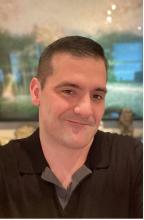
Seminar Title: Strategies to Promote Retinal Self-Repair
Time: 3 p.m. via Zoom and in person
Speaker Bio: Dr. Ross Poché is an Associate Professor in the Department of Integrative Physiology at Baylor College of Medicine and Co-Director of the Center for Organ Repair and Renewal. He received his Ph.D. from Baylor College of Medicine under the mentorship of Dr. Richard Behringer, where he studied mouse retinogenesis. He then completed a postdoctoral fellowship with Dr. Mary Dickinson, during which he developed methods for live imaging of the eye and retina. Since joining the Baylor faculty in 2015, his laboratory has focused on the cellular and molecular mechanisms that regulate the Müller glial response to retinal damage, with the long-term goal of promoting retinal regeneration in mammals. His group was the first to identify the Hippo signaling pathway as an essential negative regulator of Müller glial reprogramming to a progenitor-like state. This work is now helping inform strategies to promote retinal self-repair.
Seminar Summary: Retinal degenerative diseases cause the irreversible loss of retinal neurons and vision, affecting millions worldwide. Although current regenerative strategies have focused largely on cell replacement, an alternative approach is to stimulate the mammalian retina to repair itself. In regenerative species such as zebrafish, Müller glial cells reprogram into proliferative progenitor-like cells that generate new retinal neurons after injury. In contrast, this regenerative capacity is absent or dormant in mammals. Our work seeks to define the cellular and molecular barriers that limit Müller glia-mediated retinal regeneration in the mammalian retina. In this seminar, Dr. Poché will present evidence that transient modulation of Hippo signaling can drive Müller glia into a progenitor-like state capable of generating new retinal neurons and Müller glia. He will also discuss the endogenous retinal damage response, with an emphasis on crosstalk between Hippo and Wnt signaling pathways.
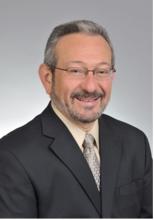
Seminar Title: Riboflavin and Retbindin: A Tale of a Vitamin and Its Partner
Time: 3 p.m. via Zoom and in person
Speaker Bio: Dr. Muayyad R. Al-Ubaidi is Professor of Biomedical Engineering at the University of Houston. He received his PhD from Baylor College of Medicine and completed postdoctoral training in transgenesis and vision research at the Cullen Eye Institute. His research focuses on mechanisms of retinal degeneration, photoreceptor biology, extracellular matrix function, and metabolic regulation of retinal health. His laboratory established the widely used 661W cone photoreceptor cell line and has made significant contributions to understanding retinal disease mechanisms, including the role of retbindin in flavin metabolism.
Seminar Summary: Riboflavin (vitamin B2) deficiency can lead to riboflavin transporter deficiency, a condition associated with progressive neuropathy and vision loss. The retina requires high levels of riboflavin for normal function, which are maintained in part by the retina-specific protein retbindin. This seminar will discuss how riboflavin deficiency affects retinal structure and function using dietary models of ariboflavinosis, highlighting the selective vulnerability of cone photoreceptors and the protective role of retbindin. The findings underscore the importance of flavin metabolism in maintaining retinal health and the potential benefits of early intervention.

Seminar Title: Decoding the Role of Microglia in Neurodegenerative Diseases Using Machine Learning and Functional Genomics
Time: 3 p.m. via Zoom and in person
Speaker Bio: Rinki Ratnapriya is an Assistant Professor of Ophthalmology at Baylor College of Medicine (BCM), Houston, TX. Her research focuses on identifying causal genes and variants and defining disease circuitry in neurodegenerative disorders that lead to vision loss. She completed her Ph.D. in Human Genetics at the Jawaharlal Nehru Centre for Advanced Scientific Research (JNCASR), India. She completed a postdoctoral fellowship in Ocular Genomics at the National Eye Institute, where she utilized next-generation sequencing–based, genome-wide methods to understand the genetic basis of Mendelian and complex neurodegenerative diseases affecting vision in humans. She spearheaded a study analyzing the transcriptomic and genetic data of approximately 500 donor retinas to establish a reference expression quantitative trait loci (EyeGEx) resource, bridging the knowledge gap between GWAS findings and causal variants, genes, and disease mechanisms. Her research program at BCM focuses on integrating large-scale genomic, transcriptomic, and epigenetic data to bridge gaps between GWAS findings and disease mechanisms, with an emphasis on translational and computational approaches for retinal and macular degeneration. Additionally, she serves as a faculty mentor for the Data2Knowledge Lab at Rice University, facilitating interdisciplinary collaboration among students and faculty to leverage data science for impactful research. She is a recipient of several honors, including the NEI Scientific Director’s Award, NEI Fellows Award for Research Excellence, and the Research to Prevent Blindness Career Development Award.
Seminar Summary: Genome-wide association studies (GWAS) have established a key role for immune dysfunction in Age-related Macular Degeneration (AMD), although the precise contribution of specific immune cell types remains unclear. To connect genetic findings with biological function, we developed a machine-learning pipeline to analyze transcriptome data from 453 human donor retinas, identifying 81 genes that distinguish AMD from controls. These genes were predominantly enriched in retinal glial cells, particularly microglia, highlighting microglial dysregulation as a central mechanism in AMD. Notably, microglial dysfunction is also a hallmark of other neurodegenerative diseases, including Alzheimer’s disease (AD). Furthermore, AMD and AD share pathological features, disease pathways, as well as genetic underpinnings. Although retinal and brain microglia both originate from the yolk sac, it remains unclear whether they share disease-relevant genetic and molecular mechanisms. To address this gap, we examined the transcriptomic and epigenetic profiles of retinal and brain microglia from 97 independent human samples, which revealed highly similar expression and regulatory profiles. Integration of GWAS data with transcriptomic and regulatory annotations further showed that susceptibility loci for both AMD and AD are significantly enriched in brain and retinal microglia. Together, these findings emphasize microglial dysfunction as a contributing factor in AMD and provide a framework for understanding shared mechanisms between these two neurodegenerative conditions.