
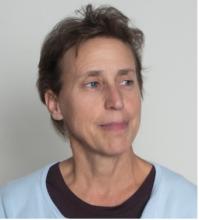
Connie Cepko, Ph.D.
Harvard Medical School & HHMI
Dr. Cepko's research focuses on the development and diseases of the central nervous system, particularly the retina. Her lab develops gene therapies to prolong vision in genetic blindness, using genes that counter oxidative stress and inflammation. Dr. Cepko is a distinguished member of the American Academy of Arts and Sciences and the National Academy of Sciences and has received numerous awards, including the 1994 ARVO Cogan Award and 2025 ARVO Friedenwald Award. She has also led multiple PhD programs and serves as Co-Director of the Leder Human Biology and Translational Medicine Program.
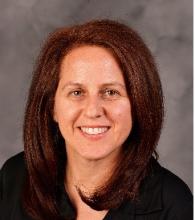
Audrey M. Bernstein, Ph.D.
SUNY Upstate Medical University
Dr. Audrey Bernstein is a tenured professor in the Department of Ophthalmology and Visual Sciences at SUNY Upstate Medical University, with additional appointments in Biochemistry, Molecular Biology, and Cell and Developmental Biology. She also serves as a Research Health Scientist at the Syracuse VA Medical Center. Widely recognized for her contributions to vision research, Dr. Bernstein holds leadership roles, including a position on the program committee of the Association for Research in Vision and Ophthalmology (ARVO). Her research, funded by multiple foundations, is centered on regenerative healing, and she was recently honored for her leadership in research at Upstate. Additionally, Dr. Bernstein is the co-founder and Chief Scientific Officer of DUB Therapeutics, a company focused on developing innovative regenerative therapies.
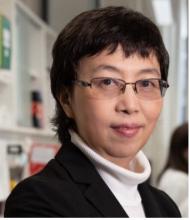
Dong Feng Chen, M.D., Ph.D.
Massachusetts Eye and Ear
Dr. Chen is an Associate Professor of Ophthalmology at the Schepens Eye Research Institute of Massachusetts Eye and Ear and the Department of Ophthalmology at Harvard Medical School. Trained under Nobel Laureate Professor Susumu Tonegawa at MIT, her research is dedicated to developing neuroprotective and regenerative therapies for debilitating neurodegenerative diseases, including glaucoma, optic neuropathies, and Alzheimer's disease. Her laboratory was the first to achieve full-length optic nerve regeneration in post-born mice and uncovered an unexpected connection between the microbiome, T cell-mediated autoimmune responses, and neuron loss or vision impairment in glaucoma—findings that were later validated in human patients. Dr. Chen’s discovery of a master regulator of neuroinflammation led to the founding of FireCyte Therapeutics, Inc., which focuses on pioneering immunotherapies for glaucoma and other currently untreatable optic neuropathies. Her groundbreaking work has received widespread recognition, with coverage in Nature, Nature Reviews Immunology, EyeWorld, and the BBC, highlighting its potential to transform the diagnosis, management, and treatment of neurodegenerative diseases affecting the eye and brain.
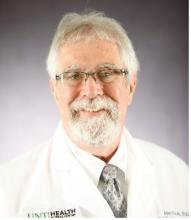
Abbot (Abe) Clark, Ph.D., FARVO
University of North Texas Health Science Center
Dr. Abbot Clark is is a Regents Professor of Pharmacology & Neuroscience and Medical Education and the Founding Director of the North Texas Eye Research Institute (NTERI) at the University of North Texas Health Science Center (UNTHSC) in Fort Worth, Texas. Before joining UNTHSC, Dr. Clark spent 23 years at Alcon Laboratories as Vice President of Discovery Research and Head of Glaucoma Research. Dr. Clark has been among the most influential ocular pharmacologists in the past 40 years. He has made numerous ground-breaking advances to explain how aqueous humor outflow through the trabecular meshwork is regulated, with important therapeutic implications for the management of glaucoma. Dr. Clark’s lab has recently identified promising small molecules, gene therapies, and genome editing techniques to prevent glaucoma-related damage to the eye and brain’s visual centers. In 2024, Dr Clark received the Ernst H. Bárány Prize from International Society for Eye Research (ISER) for his contribution to glaucoma research. He has authored more than 260 peer-reviewed articles, 22 book chapters, and is the editor of two ophthalmic textbooks. Additionally, he holds over 80 patents and has delivered 137 invited presentations at national and international conferences, organizing and chairing sessions at 26 of these scientific gatherings.
Jeffrey Diamond, Ph.D.
National Institute of Neurological Disorders and Stroke (NINDS)
Dr. Diamond received his B.S. from Duke University in 1989 and his Ph.D. from the University of California, San Francisco in 1994, where he studied excitatory synaptic transmission in the retina with David Copenhagen. During a postdoctoral fellowship with Craig Jahr at the Vollum Institute, he investigated the effects of glutamate transporters on excitatory synaptic transmission in the hippocampus. He joined NINDS as an investigator in 1999, was awarded the Presidential Early Career Award in Science and Engineering in 2000 and was promoted to Senior Investigator in 2007. He was appointed Scientific Director of the NINDS Intramural Research Program in 2023. His laboratory studies how synapses, neurons and small circuits perform computational tasks required for visual information processing in the mammalian retina.
Xu Dong, Ph.D.
University of Missouri-Columbia
Dr. Xu is Curators’ Distinguished Professor in the Department of Electrical Engineering and Computer Science, with appointments in the Christopher S. Bond Life Sciences Center and the Informatics Institute at the University of Missouri-Columbia. He obtained his Ph.D. from the University of Illinois, Urbana-Champaign in 1995 and did two years of postdoctoral work at the US National Cancer Institute. He was a Staff Scientist at Oak Ridge National Laboratory until 2003 before joining the University of Missouri, where he served as Department Chair of Computer Science during 2007-2016. Over the past 30 years, he has conducted research in many areas of computational biology and bioinformatics, including single-cell data analysis, protein structure prediction and modeling, protein post-translational modifications, protein localization prediction, computational systems biology, biological information systems, and bioinformatics applications in human, microbes, and plants. His research since 2012 has focused on the interface between bioinformatics and deep learning. He has published more than 500 papers with more than 27,000 citations and an H-index of 84 according to Google Scholar. He was elected to the rank of American Association for the Advancement of Science (AAAS) Fellow in 2015 and American Institute for Medical and Biological Engineering (AIMBE) Fellow in 2020.
Yingbin Fu, Ph.D.
Baylor College of Medicine
Dr. Fu is an Associate Professor and the Sarah Campbell Blaffer Endowed Chair of the Cullen Eye Institute at Baylor College of Medicine. He received his BS in Biochemistry from Peking University in Beijing, China, and completed his PhD in Biochemistry at Michigan State University, followed by postdoctoral training in neuroscience at the Johns Hopkins University School of Medicine. Dr. Fu has made significant contributions to understanding the role of the multifunctional serine protease HTRA1 in age-related macular degeneration (AMD), the pathogenesis of polypoidal choroidal vasculopathy (PCV), and the role of cone opsins in cone photoreceptor degeneration. His recent research has uncovered a mechanism behind drug resistance to current anti-VEGF therapies for wet AMD, a leading cause of irreversible blindness that affects over 200 million seniors globally. Dr. Fu’s team has developed a promising AIBP/apoA-I/anti-VEGF combination treatment designed to overcome this resistance, for which a patent is pending (PCT/IB2021/055463). Dr. Fu has received two prestigious Audacious Goals Challenge Awards from the National Institutes of Health/National Eye Institute (2013, 2021). He is currently the vice president of Global Eye Genetics Consortium (GEGC), which actively support and foster global collaboration for the advancement of genetic eye research in thirty-nine countries.
Yuqing Huo, M.D., Ph.D.
Baylor College of Medicine
Dr. Huo is a vascular biologist who originally focuses his research on the role of vascular cells in inflammation and aortic diseases. Over the past decade, Dr. Huo expanded his research interest to the vascular retinopathy. His group studied the molecular mechanism underlying the role of adenosine receptor 2A (A2aR) and adenosine kinase (ADK) in regulation of ocular angiogenesis. His group also demonstrated that PFKFB3-mediated glycolysis is critical for angiogenesis, especially for the development of oxygen-induced retinopathy (OIR) in mice. Subretinal fibrosis, an end-stage fibrous plaque/disciform scar that progresses from choroidal neovascularization (CNV) of neovascular age-related macular degeneration (nAMD), leads to profound and often irreversible visual impairment. Currently, the only treatment for subretinal fibrosis is through invasive surgical intervention, and thus, therapeutic strategies for the inhibition of subretinal fibrosis with non-invasive drug-based therapies are imperative. Dr. Huo’s group recently defined the role of adenosine receptor 2A in endothelial-to-mesenchymal transition (EndMT) and subretinal fibrosis formation (Sci Transl Med. 2024 Mar 6;16(737), selected as cover photo).
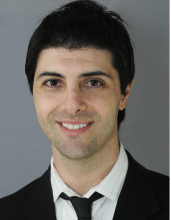
Eleftherios Paschalis Ilios, Ph.D.
Massachusetts Eye and Ear
Dr. Paschalis Ilios, an Assistant Professor of Ophthalmology at Harvard Medical School (HMS), holds the position of Director of Research, Development, and Regulatory Affairs at Boston Keratoprosthesis, Massachusetts Eye and Ear (MEE). He obtained his doctoral degree in Medicine with Excellence from Democritus University of Thrace, Greece, in 2010. Prior to this, he completed engineering training in the United Kingdom for his bachelor’s and master’s degrees. In 2011, Dr. Ilios joined Mass Eye and Ear as a Senior Research Fellow under the guidance of Professor Dohlman. His contributions have been instrumental in establishing him as an integral member of the laboratory and the Boston Keratoprosthesis group. His research encompasses a diverse range of ophthalmology and bioengineering disciplines, including the development of innovative minimally invasive Keratoprosthesis, drug delivery systems for retinal protection, glaucoma implants, implantable pressure sensors, lid reanimation systems, bispecific antibodies for age-related macular degeneration (AMD), and the profiling of retinal microglia using in-drop single-cell RNAseq. Notably, Dr. Ilios identified a novel neuroprotective protein in the retina, Crystallin gamma S, which is expressed during inflammation. He subsequently developed high-affinity Crystallin mutants and gene therapies for neuroprotection.
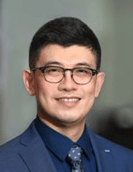
Zheng Jiang, Ph.D.
Baylor College of Medicine
Dr. Zheng Jiang received a B.S. in Clinical Medicine from China Medical University in 2004 and went on to earn a Ph.D. in Integrative Biology from Florida Atlantic University in 2009. He completed his postdoctoral training in Neuroscience at Johns Hopkins University in 2015 under the mentorship of Dr. King-Wai Yau, where he investigated the phototransduction mechanisms of intrinsically photosensitive retinal ganglion cells (ipRGCs) with a focus on melanopsin pathways. His research uncovered a novel phototransduction pathway in M2- and M4-ipRGCs, challenging established views on phototransduction motifs across species. In 2019, he joined the Department of Ophthalmology at Baylor College of Medicine as an assistant professor. His lab's research focuses on melanopsin transduction mechanisms and the electrophysiological properties of retinal ganglion cells using high-throughput methods.
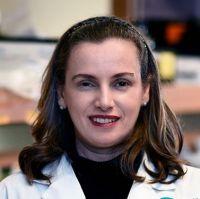
Cintia S. de Paiva, M.D., Ph.D., FARVO
Baylor College of Medicine
Dr. de Paiva is a Professor of Ophthalmology at Baylor College of Medicine in Houston, Texas. Her research interests include Dry Eye, ocular surface diseases, animal models of Sjögren syndrome, microbiome, and aging. The primary objectives of her research are to investigate the pathogenesis of dry eye-related diseases with the ultimate goal of improving the diagnosis, prognosis, and therapy of dry eye. Her laboratory focuses on epithelial immune interactions, emphasizing the effects of gut microbiome and aging on the ocular surface and lacrimal gland. Dr. de Paiva has held several leadership positions within ARVO, including chairing the Women’s Leadership Program (2021-2024). She is the current Editor-in-Chief of The Ocular Surface Journal.
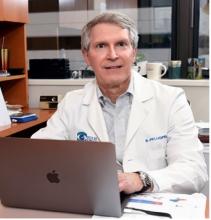
Stephen C. Pflugfelder, M.D.
Baylor College of Medicine
Stephen C. Pflugfelder, M.D., is professor and holder of the James and Margaret Elkins Chair and director of the Ocular Surface Center in the department of ophthalmology at Baylor College of Medicine. He specializes in cornea, ocular surface and tear disorders. Dr. Pflugfelder’s research interests include pathogenesis of keratoconjunctivitis sicca and desiccation-induced inflammation and autoimmunity on the ocular surface. He has published more than 350 peer-reviewed articles and numerous book chapters. He is past president of the International Ocular Surface Society and has served on the editorial boards of Investigative Ophthalmology and Visual Science (associate editor), American Journal of Ophthalmology (associate editor), Scientific Reports, Cornea and The Ocular Surface. He served as a Cornea Trustee and President of the Association for Research in Vision and Ophthalmology (ARVO). He is a member of the DoD Vision Research Panel and chair of the Modeling Visual Injury (MVI) Special Interest Group.

Rinki Ratnapriya, Ph.D.
Baylor College of Medicine
Dr. Ratnapriya is an Assistant Professor in the Department of Ophthalmology at Baylor College of Medicine. She earned her B.Sc. from Delhi University in India and her Ph.D. in Human Genetics from JNCASR, India. She completed a postdoctoral fellowship in Ocular Genomics at the National Eye Institute in Dr. Anand Swaroop’s group, where she utilized next-generation sequencing-based, genome-wide methods to understand the genetic basis of Mendelian and complex neurodegenerative diseases leading to vision loss in humans. She spearheaded a study analyzing the transcriptome and genetics of around 500 donor retinas to establish a reference of expression quantitative trait loci (EyeGEx) to close the knowledge gap between GWAS findings and causal variants, genes, and disease mechanisms. Her research program at BCM focuses on elucidating disease circuitry by extracting valuable information from large genomic, transcriptomic, and epigenetic datasets to address translational and bioinformatic challenges related to retinal and macular degenerative diseases. Additionally, she serves as a faculty mentor for the Data2Knowledge lab at Rice University, facilitating interdisciplinary collaboration among students and faculty to leverage data science for impactful research. She has been recognized with prestigious awards including the NEI Scientific Director’s Award, NEI’s Fellows Award for Research Excellence, David R. Hinton MD Scholarship, and Research to Prevent Blindness (RPB) Career Development Award.
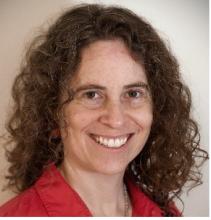
Ayellet Segrè, Ph.D.
Massachusetts Eye and Ear
Dr. Ayellet Segrè is an Assistant Professor of Ophthalmology at Massachusetts Eye and Ear (MEE), Harvard Medical School, Director of the Bioinformatics and Biostatistics Core in the Ocular Genomics Institute at MEE, and an Associate Member at the Broad Institute of Harvard and MIT. Dr. Segrè earned her PhD in Genetics and Genomics from Harvard University (2007). She did her postdoctoral training at Massachusetts General Hospital (MGH) and the Broad. Before starting her lab, she was a lead computational biologist in the Genotype-Tissue Expression (GTEx) Project at the Broad (2013-2017), playing a key role in creating a widely used atlas of genetic regulation of gene expression (eQTL) and splicing (sQTL) in 50 healthy human tissues. Dr. Segrè’s laboratory combines statistical genetics, functional and single cell genomics, and systems biology approaches to identify regulatory mechanisms, genes, pathways, and pathogenic cell types that lead to common retina-related diseases, in particular glaucoma and age-related macular degeneration. To enhance biological discoveries for eye disease, she is leading efforts to create transcriptomic, genetic regulation, and chromatin accessibility maps for healthy human eye tissues, including retina, optic nerve head, and the anterior segment at bulk tissue and single cell levels. Dr. Segrè is a PI or co-Investigator on multiple NIH grants, was awarded the 2024 Research to Prevent Blindness and The Glaucoma Foundation Career Advancement Award, and is an elected member of the ARVO Annual Meeting Program Committee (AMPC) for the Genetics Cross-Sectional Group.
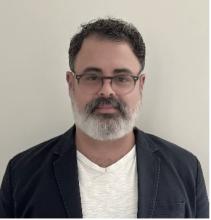
Daniel R. Saban, Ph.D.
Duke University
Dr. Saban is a Professor of Ophthalmology and Integrative Immunobiology at Duke School of Medicine, who has devoted his career to studying immune and inflammatory diseases of the eye. He received his doctorate in Immunology from the University of Florida in 2005, focusing on 'Ocular Immune Privilege', a natural phenomenon that silences ocular inflammation to protect the eye and preserve vision. His innovative work led him to a postdoctoral fellowship at Harvard Medical School, which he completed in 2009. There, he expanded his research to understand why ocular immune privilege fails in certain eye diseases, leading to harmful inflammation. After rising to junior faculty at Harvard and securing his first major faculty grant (R01) from the NIH, Dr. Saban was recruited to Duke in 2012. Dr. Saban has established a renown ocular immunology research program. In 2018, he was appointed as the Scientific Director of the Foster Ocular Immunology Center, a program of distinction that combines advanced care and cutting-edge research. In 2024, Dr. Saban’s research was recognized by the Association for Research in Vision and Ophthalmology (ARVO) with the Cogan Award, which recognizes a researcher under the age of 45 who has made important contributions to eye research related to human eye disorders and shows substantial promise for future contributions. Most recently, Dr Saban’s research led to the founding of Piximune, Inc., an early-stage biotech company developing immune-based treatments for retinal degenerative diseases.
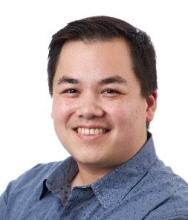
Nicholas M. Tran Ph.D.
Baylor College of Medicine
Dr. Nicholas M. Tran is an Assistant Professor at Baylor College of Medicine in the Department of Molecular and Human Genetics. He received his PhD. from Washington University in St. Louis in Molecular Genetics and Genomics where he was mentored by Dr. Shiming Chen. He performed his postdoctoral research in Dr. Joshua Sanes’s lab at Harvard University where he pioneered single cell transcriptomic approaches that established the first comprehensive molecular atlas of the mouse retina cell types. His current research focuses on cell type-specific mechanisms underlying retinal ganglion cell degeneration in diseases such as glaucoma. Ultimately, his work seeks to elucidate guiding principles of neuronal survival and axon regeneration that will serve to improve therapies for different forms of neurodegeneration within and beyond the retina.
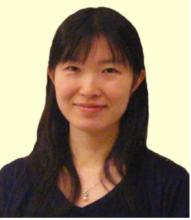
Wei Wei, Ph.D.
University of Chicago
Dr. Wei Wei is a Professor at the Department of Neurobiology, University of Chicago. She did her graduate training with Dr. Roberto Malinow at Cold Spring Harbor Laboratory, and her postdoctoral training with Dr. Marla Feller at the University of California, Berkeley. Dr. Wei’s group studies the neural basis of motion detection in the mouse retina using a combination of patch clamp electrophysiology, two-photon imaging, cell- and synapse-type specific genetic manipulations and computational methods. The long-term goal of her lab is to uncover synaptic, dendritic and circuit level mechanisms that collectively implement visual processing in the complex natural environment.
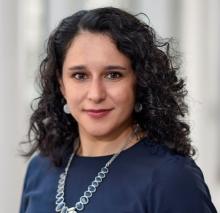
Elizabeth Zuniga-Sanchez, Ph.D.
Baylor College of Medicine
Dr. Elizabeth Zuniga-Sanchez is an Assistant Professor in the Department of Ophthalmology with a joint appointment in the Department of Neuroscience at Baylor College of Medicine. She received her undergraduate degree in Bioengineering from UC Berkeley, a PhD in Neuroscience from the University of Southern California, and completed her postdoctoral training in the HHMI lab of Dr. Larry Zipursky at UCLA. Dr. Zuniga-Sanchez's research focuses on identifying new molecular mechanisms responsible for neural circuit formation using the mouse retina as a model system.