Childhood obesity: How parents can create healthy habits
According to the CDC, about 1 in 5 children and adolescents in the U.S. have obesity. For Childhood Obesity Awareness Month, researchers at the USDA/ARS Children’s Nutrition Center (CNRC) at Baylor College of Medicine explain the health risks of obesity in children and what parents can do to build healthy habits.
Many factors affect a child’s body weight: diet, physical activity, sleep, stress, genetics and the surrounding environment. A child or teen, aged 2 through 18, is considered to have obesity when their body mass index (BMI) is at the 95th percentile or higher.
“Obesity can increase the risk of type 2 diabetes, high blood pressure, fat levels in the blood, like cholesterol and triglycerides, extra strain on joints and bones and fat accumulation in the liver, which can lead to inflammation and long-term damage,” said Dr. Teresia O’Connor, professor and associate director of the CNRC.
Research shows that having obesity in childhood can also increase the risk of obesity and obesity-related chronic diseases during adulthood, such as diabetes, cardiovascular diseases, metabolic diseases and some types of cancer.
Childhood obesity can also have an emotional impact.
“Children and adolescents with obesity report lower quality of life on average compared to their peers without obesity. They can have low self-esteem, depression and anxiety and participate in emotional eating,” Dr. Erica Soltero, assistant professor at the CNRC, said.
She adds that parents can work with their child’s healthcare providers to identify and develop healthy ways to talk about weight and its impact.
“Many parents feel solely responsible for addressing their child’s weight and may not know where to start,” Soltero said. “Pediatricians, dietitians and other healthcare providers can help parents and their child develop healthy strategies that work with their family's needs.”
“Although diet is not the only risk factor for child obesity, a low-quality diet can play a key role,” Dr. Deborah Thompson, professor at the CNRC, said.
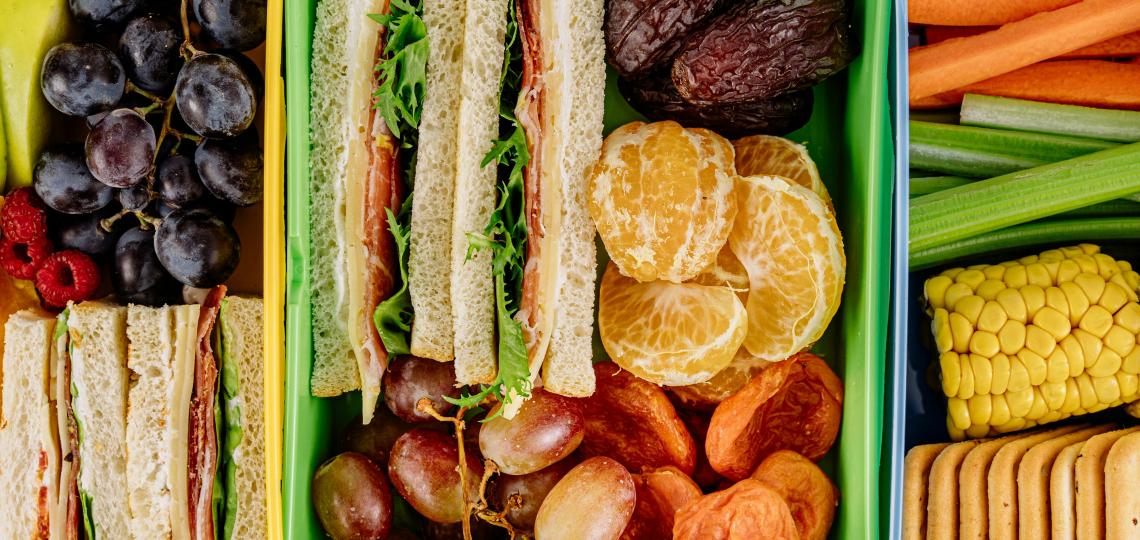
Healthy meal options include:
- Meals that contain a lean meat (or other protein source).
- Vegetables.
- Fruits.
- A whole grain without significant calories from sauces, butter or other condiments.
“Get children involved in food preparation and related activities. Ask them to help plan the family’s dinner menu for the week,” said Thompson. “Choose their favorite fruit, vegetable or whole grain at the grocery store.”
If on the go, parents can talk with their child about making healthy choices at fast food restaurants and decide what changes to make. For instance, instead of a double cheeseburger on a white bun with processed cheese, fries and a soda, try a small burger on a wheat bun with lettuce and tomato. Add a side salad and drink water or unsweetened tea.
For physical activity, think of active play ideas for indoors and outdoors.
“Do things with family or friends, like tag, a soccer game, a bike ride or swimming,” Dr. Stephanie Sisley, associate professor at the CNRC, said.
“For families who find it challenging to get started, focus on less instead of more,” said Soltero. “Instead of feeling like you have to add another activity to a busy schedule, focus on less sitting, less screen time and fewer elevator rides. Replacing these things with movement can lead to more active living.”
Click here for CNRC resources to help parents and children learn about healthy eating.