
Step 4: Brainstorm Possible Mission Plan Steps
Remember, mission plans are gradual. In other words, we do not expect your child to wake up tomorrow and achieve the mission plan goal. To help your child be successful, mission plans are made of small steps. Each step gets a little harder, and brings your child closer to their final goal. There is no set number of steps required in a mission plan, but they should occur across a number of levels on the anxiety scale.
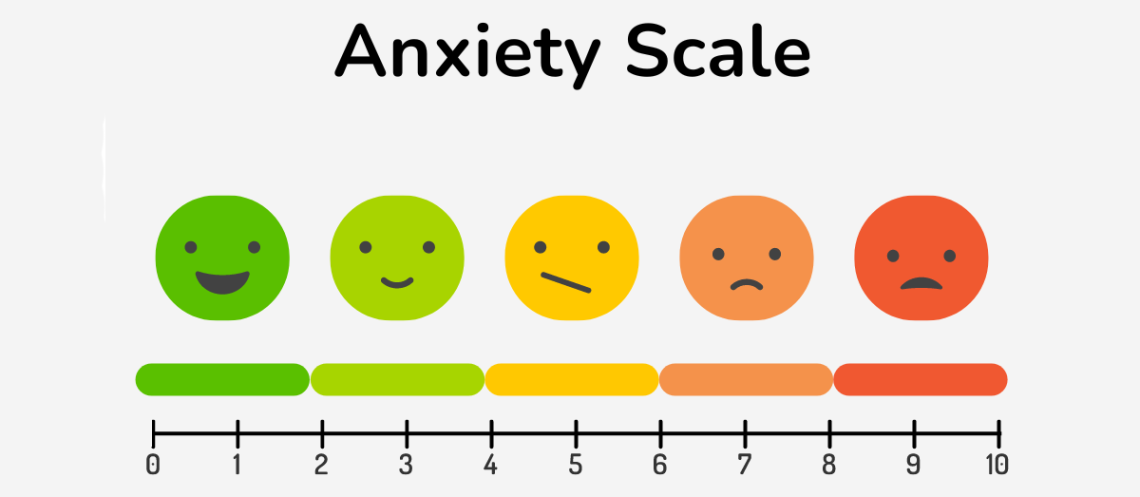
Generally, when coming up with possible mission plan steps, you should choose things that your child is able to practice multiple times a week and that are within your control. For example, something like, “stand on the porch under the awning while it is raining outside” for a child with fears of storms would be a great mission plan step when it is raining, but it would be important to list several other options you can practice more often. When brainstorming how to make steps easier or harder, thinking about the following factors may be helpful (this is Step 3 in your child's manual):
- Who is involved in the activity (number of people, age, gender, the level of familiarity)?
- How long is the activity/what amount of time spent in a situation is required?
- Where will it occur?
- How much preparation will occur prior to the activity?
- How intense or prevalent is the fearful item or situation in the activity?
A number of your steps will likely be variations of the same task or situation, so it is also important to be specific when writing steps. Details related to the bullets above should be included, so it is very clear what each step requires. Once you finish the list of possible mission plan steps for your child’s mission plan, read back through them to make sure they all relate to the fear or worry, are specific, and are doable for your child and family. Below you will find some more examples of possible mission plan steps to inspire you.
Here are the steps that Neil came up with after brainstorming with his parents:
- Neil is in a dark room with his mom for 2 minutes (at night).
- Neil is in a dark room with his mom for 2 minutes (during the day).
- Neil will stay in bed for 10 minutes with his mom sitting in a chair outside his room that he can see from his bed. If he does not fall asleep in that time, his mom will return to his bedside (like usual). His nightlight is on.
- Neil will stay in bed for 10 minutes with his mom in a different part of the house. If he does not fall asleep in that time, his mom will move closer to his room. His nightlight is on.
- Neil is by himself in a room with his nightlight on for 2-3 minutes (during the day).
- Neil will stay in bed for 10 minutes with his mom sitting in a chair outside his room that he cannot see. If he does not fall asleep in that time, his mom will move the chair where it is visible. His nightlight is on.
- Neil is by himself in a room with his nightlight on for 2-3 minutes (at night).
Here are the steps that Sally came up with after brainstorming with her parents:
- Sally asks Rita if she wants to meet at the mall to hang out
- Sally asks her classmate, Rita, who she does not know well, to borrow a pencil
- Sally asks her good friend Joana to borrow a pencil
- Sally invites Rita for a sleepover
- Sally asks Rita if she wants to come over to her house to watch a movie together
- Sally texts Rita a funny meme
- Sally joins the rest of Rita's friends during lunch and makes conversation with the group
- Sally makes friendly chat with Rita during breaks
- Sally sits next to Rita during lunch
Here are some ideas for mission plan steps for different fears (or view a PDF version). Feel free to adapt them for your child's anxiety!
Dark
- Sit in your bedroom during the day, while underneath the blankets
- Look into your bedroom at night, while standing in the lit hallway
Insect(s)
- Look at a picture of an insect
- Hold a plastic/toy bug
Animal(s)
- Watch a video of the animal that you’re scared of (i.e., documentary clip, nature video)
- Go to an animal exhibit at the museum
- Find a friend with the animal (if it is a pet) and see how close you can stand by it
Medical providers or situations
- Role play as a doctor with a parent/sibling/friend
- Watch a video of someone going to see a doctor
Water
- Play outside with a sprinkler/water hose; have a water balloon fight
- Go to a public pool and just sit on the steps/in the very shallow end
Weather changes
- Listen to rain/thunderstorm ambient sounds
- Watch a newscast of a severe storm
Loud noises
- Listen to a video on YouTube while slowly increasing the volume
Items that make loud noises
- Hold an item that makes loud noises without activating it (if a toy or household object)
- Look at an image of an object that makes loud noises (i.e., fire alarm)
Monsters, aliens, the supernatural, etc.
- Look at a cartoon of aliens, monsters, or ghosts
- Watch a video of someone telling a ghost/alien story
Heights
- Watch a video of someone climbing a mountain or a tight rope
- Visit a tall building and look out the window of an upper floor
Escalators/elevators
- Go to the mall and look at the escalators/elevators
- Watch a video of someone stuck in an elevator
Germs
- High-five or shake someone’s hand without washing immediately after
- Restrict hand-washing to only after using the bathroom
Throwing up or getting sick
- Watch a video of someone vomiting
- Make fake vomit and touch it
Thinks others will think badly of them
- Ask a friend a silly question
- Make a mistake on purpose while doing a chore
Scared of answering or asking questions in class
- Raise your hand in class
- Ask a random classmate a question
Avoids standing out or being the center of attention
- Walk around the house while wearing clothes inside-out
- Wear a funny article of clothing in public (for example, a funny hat)
Worries that others will laugh at them
- Walk around a store with shoes on the wrong feet
- Introduce yourself to someone but come up with a silly first name
Avoids interacting with peers
- Spend time with peers virtually (i.e., Zoom, Skype, FaceTime) or play online games together
- Arrange a playdate/hang out with just one really close friend
Avoids speaking to others
- Say “hello” to 1-3 people
- Introduce yourself to one person
Worries about making mistakes
- Spell your name wrong on purpose
- As a parent, ask your child to bring you a glass of juice/milk, but have them give you a glass of water instead
Needs the routine to be exactly the same
- Change the order of a routine with a warning (for example, "tomorrow we will put on our shoes first, then eat breakfast")
- Change the way you do something as part of the routine (for example, drive home from school a new way)
Worries about getting in trouble
- Allow child to wait for up to 5 minutes before doing a requested chore
- Have the child practice saying "no" to a request from a parent
Worries about performance
- If you engage in a hobby/extracurricular activity, record yourself performing alone, then watch the video with a parent
- Put on a small show/concert/performance for parents and/or siblings
Anxious about assignments or tests
- Complete a set of math problems within a specific time limit
- Read a passage of a book and then have a parent quiz you on its content
Needs things to be symmetrical or “just right”
- Arrange items in an "incorrect" order
- Wear one sock pulled way up and one scrunched way down
Gets upset and/or starts over when something they are doing is not perfect
- Write a paragraph while using a pen or pencil without an eraser
- Make a mistake on a practice assignment and show it to a parent
Asks a lot of questions
- Reduce number of questions child is allowed to ask in one day
- Parent practice ignoring questions and/or giving very vague answers
Worries about something bad happening to caregivers
- Write a short story about something bad happening to parents/caregivers
- Repeat thought, “My parents/caregivers are getting into the car and will get in an accident.”
Worries about getting lost
- Practice going to and from school/store using different routes home
- Blindfold child/teen while at home and have them practice moving from one room to another
Scared of sleeping away from caregivers or home
- Have child/teen “camp” in the backyard or living room to expose them to sleeping somewhere other than their bed
- Watch a movie about a sleepover
Follows caregivers around
- Practice being at the opposite end of the same room while at home
- Allow child to follow behind the parent but only after waiting for one minute
A note: Some fears may require you to get creative. When children have fears related to making mistakes, for example, ideas for mission plan activities might not be intuitive. This is why we encourage you to start with something concrete. However, we have some tips for coming up with creative activities and mission plans in later weeks.