

Program Research Areas
Research within the Chemical, Physical and Structural Biology graduate program spans a wide-range of topics, yet is unified by a focus on delving into biochemistry, biophysics or structural basis of biological mechanisms in human health and disease.
Our program has a long history of cutting-edge, highly impactful contributions to science, a reputation that you will benefit from and contribute to. There are extensive state-of-the-art equipment and core facilities to enable your research endeavors.
Learn about our core research areas below and find faculty members whose interest match your own.
Chemical biology/biochemistry involves the application of chemical techniques, analysis, and often small molecules produced through synthetic chemistry, to manipulate and interrogate biological systems. Our research focuses on chemical probes for epigenetic regulations, fluorescent probes for live cell imaging, small molecule/ligand-protein interactions, and proteolysis-targeting chimera (PROTAC)-based protein knockdown. BCM resources that support this research include the NMR and Drug Metabolism Core, the Mass Spectrometry Proteomics Core, the Integrated Microscopy Core, and the Optical Imaging and Vital Microscopy Core.
- Furqan M Fazal
- Allan Chris Ferreon
- Josephine Chu Ferreon
- Glenna Wink Foight
- Pengxiang Huang
- Chad William Johnston
- Feng Li
- Anna Malovannaya
- Anthony McDowell Mustoe
- B V Venkatar Prasad
- Yongcheng Song
- Francois St-Pierre
- Zhi Tan
- Mingxing Teng
- Kimberley Tolias
- Francis T.F. Tsai
- Jin Wang
- Theodore G Wensel
- Damian Young
- Nicolas Leon Young
- Ming Zhou
- Angela Yu
Research in computational biophysics uses physical principles to understand complex biological phenomena at an atomic level of detail. For many research questions, single research approach can be entangled with technical or unknown limits and thus, cannot fully address the question. Nevertheless, in many cases numerical techniques provide a platform that is used to gain insights into difficult biological problems. Some methods that are often employed in this field are molecular dynamics simulations, electrostatic energy calculations, and Monte Carlo sampling. EECS subjects in this area provide a background in both numerical simulation methods and algorithms that form the foundation of many computational approaches to biological problems.
One of the greatest advantages of cryo-EM relative to conventional structural biology techniques is its ability to analyze large, complex and flexible structures. Including many biologically important molecules that cannot be easily crystallized for x-ray or are too large for NMR. The Cryo-EM/Cryo-ET research at BCM focuses on technology development driven by a diverse spectrum of biological samples to achieve reliable atomic resolution structures of molecular machines, derive structures from conformationally variable machines and characterize the macromolecular machinery within intact cells in normal and pathological states.
Students in our program learn the methodologies used for genome manipulation at any stage of development and for super-resolution imaging of developing organisms and tissues to uncover molecular details of developmental pathways and discover new approaches to therapeutics for inherited and other developmental disorders.
Drug discovery is a highly interdisciplinary process and involves a wide range of scientific disciplines, including chemistry, biology, and pharmacology. Our research focuses on structure-based and computer-aided drug design, fragment-based drug screen, hit-to-lead medicinal chemistry optimization, proteomics-based target identification, development of antibody-drug conjugates, and efficacy evaluation in cell culture and in animal models. BCM resources that support this research include the Center for Drug Discovery, the NMR and Drug Metabolism Core and the Mass Spectrometry Proteomics Core.
Drug resistance is a growing problem that limits treatment options and is a threat to public health. We are utilizing enzymology and structural biology approaches along with tools from computational biology to determine the molecular mechanisms of drug resistance and facilitate the design of future therapies.
All cells maintain a voltage of around 70 millivolts across their plasma membranes. This membrane potential is crucial in cellular signaling, hormone secretion, and communication between the cells. Electrophysiology measures and analyses electrical signals within and between cells, and because of its exquisite sensitivity, activities of a single protein molecule can be monitored in real time. CPSB faculty members apply electrophysiology to a wide variety of samples, from purified proteins, cultured cells, to live organisms.
Enzymes drive nearly every process in a cell including metabolism, transcription of genes, and replication of DNA, among others. Enzymology is the study of how enzymes catalyze reactions, how such catalysis is regulated, how enzymes evolve and function and how enzymes can be inhibited to develop therapeutics. Enzymology is a multi-disciplinary science that includes molecular biology, kinetic analysis, structural biology and computational biology. The CPSB program provides an outstanding opportunity for graduate students to engage in the study of enzymes using advanced spectroscopy methods in addition to core facilities for protein purification, X-ray crystallography, cryo-electron microscopy. Finally, the Center for Drug Discovery facilitates the discovery of small molecule inhibitors of enzymes.
In higher organisms, genes are persistently regulated to achieve cellular differentiation and multicellularity. Dysregulation of this regulatory system is common in many diseases. The pharmacological manipulation of this system is a potentially powerful approach to the treatment of disease. CPSB research focuses on the detailed biochemical mechanisms of gene regulation at the transcriptional and translational levels and how to effectively manipulate these systems therapeutically.
Biochemical and biophysical approaches have led to a new era of gene-based therapies. Understanding the molecular mechanisms of diseases allows genetic intervention using viral vectors, gene editing and gene replacement technologies. Our unique strengths lie in structural and molecular virology, in gene delivery, and in the biochemistry of DNA and RNA.
Genetic engineering encompasses methods and technologies to manipulate a model systems' normal genetic state through genome engineering (i.e., the precise manipulation and mutagenesis of endogenous genetic material), or transgenesis (i.e., the addition of one or more exogenous genes). Baylor College of Medicine has been at the forefront of the development of genome-engineered and transgenic disease models, including cellular, as well as mice and fruit fly animal models. Faculty members of the CPSB program apply genetic engineering to generate models tailored to address pressing questions across biomedical interests, aided by the Genetically Engineered Rodent Models Core (GERM Core).
BCM maintains multiple cores for screening for activity of large numbers of small molecules or genes. These include the billion compound DNA-encoded library platform, instrumentation for high-throughput assays of small molecule effects on proteins or cells (Center for Drug Discovery), high throughput/high content microscopy (Integrated Microscopy Core), cell-based screening (C-BASS Core) for shRNA and CRISPR/Cas9 screening, and a state-of-the-art flow cytometry and cell-sorting core.
Biomembranes form the interfaces through which our cells and subcellular compartments communicate with one another and the outside world. The unique physiochemical properties of a phase that is one or two molecules thick define the fascinating challenge for understanding the functioning of some of the most important molecules for human health and disease: ion channels, transporters and cell-surface receptors, all important classes of drug targets. With access to exceptional facilities for functional and structural studies of biomembranes and membrane proteins, CPSB students learn to solve problems ranging from sensory mechanisms to drug discovery.
Altered metabolism is a hallmark of many diseases including cancer. The focus of the group is to understand metabolic vulnerabilities in cancer and develop therapeutic strategies that target the re-wired metabolic program and hence aid in blocking cancer progression. Furthermore, quantification of metabolites in biofluids can be used as non-invasive indicators for disease onset, progression or to monitor treatment response in patients. In light of all the above, CPSB students will learn to profile metabolome from patient samples, integrate the data with other OMICs datasets, study the consequence of key metabolic alterations using in vitro and in vivo cancer models, develop metabolite-based biomarkers and develop/test novel therapeutic strategies that target altered metabolic pathways.
Within the exceptionally strong neuroscience community at BCM, CPSB students apply the tools of chemistry, biochemistry, genetics and physics to study and manipulate neurons and the mechanisms by which they signal and process complex perceptions, memories and behaviors. They delve into the molecular and cellular roots of neurological, psychiatric and cognitive disorders, making use of state-of-the-art imaging, optogenetic, genetic, and biochemical technologies.
Organic synthesis is the study of how we build molecules ranging from fluorescent dyes, chemical probes, to drug candidates. Because synthesis allows us to construct entirely new molecules, it empowers us to probe biological systems in creative and unprecedented ways. Students in the CPSB program will learn how to use their synthetic skills to address challenging biological questions and unmet medical needs. BCM provides state-of-the-art instrumentation for organic synthesis, including an 800 MHz NMR, high-resolution mass spectrometers, and medium and high-pressure auto-purification systems.
Proteomics is a powerful technology for both the discovery of proteins and quantitative investigation of biochemical mechanisms. Proteomics research in our program focuses on the sensitive, robust, and reproducible identification and quantitation of proteins, protein complexes and protein post-translational modifications by both bottom up and top down proteomics. Our members develop novel approaches for the unbiased study of biology at the molecular level that often combine multiple biochemical techniques with mass spectrometry to reveal new biochemical mechanisms in fundamental and disease biology. Students in this area have access to the most advanced proteomics technologies and computational resources.
Several teams of faculty and student investigate how a cell receives and transduces signals, employing a variety of state-of-the-art techniques. Understanding this complex and highly interconnected signaling cascade provides a roadmap for how cells work, explains the molecular basis of human diseases, and ultimately provides new strategies for developing novel therapeutics to treat cancer, cardiovascular and metabolic disorders. The signal transduction research in CPSB brings together a highly interdisciplinary and collaborative team of scientists. Our research interests include cell signaling events mediated by protein phosphorylation/dephosphorylation through the actions of protein kinases and phosphatases. Additional research areas are signaling events in visual transduction, G-protein pathway, nitric oxide-cGMP pathway and Phosphoinositide signaling.
Recent developments in technology allow fluorescence measurements to be carried out on individual molecules to monitor the stochastic fluctuations and changes in state underlying ensemble behavior. Protein folding or aggregation, and protein dynamics within cells can be followed at the molecular level, and localization of thousands of individual fluorescent molecules leads to images of molecular structures beyond the diffraction limit. BCM students have access to outstanding facilities for single molecule spectroscopy and super-resolution microscopy.
Faculty and core labs provide access to state-of-the-art technology for fluorescence spectroscopy, including time-resolved and steady-state fluorescence, fluorescence polarization, fluorescence resonance energy transfer (FRET), fluorescence lifetime imaging (FLIM), fluorescence recovery after photobleaching (FRAP), and luminescence resonance energy transfer (LRET). Facilities are also available for stopped-flow and quench-flow kinetics, isothermal titration calorimetry (ITC), circular dichroism spectroscopy (CD), and electron paramagnetic resonance (EPR) spectroscopy. Binding kinetics and equilibria can be measured quantitatively with surface plasmon resonance or biolayer interferometry instruments.
Structural biology has a long tradition in BCM, and CPSB has a strong and highly productive group of structural biologists. With the recent breakthroughs in both instrumentations and methodologies, structural biology has become more powerful and more accessible than ever before. As a result, structural biology is integrated into a wide variety of research areas such as viral infections, immunology, cancer biology, signal transduction, protein folding, antibiotic resistance, and drug development. This research direction is supported by state of the art core facilities of cryo-electron microscopy, x-ray crystallography, and nuclear magnetic resonance.
Synthetic biology is a multidisciplinary field that integrates molecular biology, genetics, systems biology, biotechnology, and biophysical approaches among many others. With the recent advances in bottom-up DNA assembly methods to stitch together and characterize adaptable functioning synthetic biological circuits, this field is becoming integral across biomedical research. Graduate students within the CPSB program are exposed to a variety of aspects of synthetic biology that aid them in designing and engineering biological systems useful in research areas as versatile as signal transduction, virology, metabolism, medicinal chemistry, structural biology, human disease modeling, and many others.
In recent years there has been an emergence of new viruses and new strains of previously known viruses that threaten global health. BCM has an exceptionally strong group of faculty who study medically important human viruses such as rotavirus, norovirus, SARS, herpes virus, adenovirus and Influenza viruses. CPSB students apply cutting-edge structural techniques such as cryo-EM, cryo-tomography, and X-ray crystallography together with other biophysical techniques to define the structure of intact viruses and virus-encoded enzymes to provide a mechanistic basis for how these viruses recognize cellular receptors for entry, how they replicate inside the host cell, and how they control the antiviral host immune response to cause disease. Such studies will form a rational basis for discovering new drugs and developing vaccines to prevent and treat the diseases caused by these viruses. BCM resources that support this research include the X-ray, Cryo-EM and NMR cores as well as the Center for Drug Discovery.
X-ray crystallography allows visualization of macromolecules with the clarity of resolving individual atoms. High-resolution structures are essential for understanding the physical and chemical basis of how macromolecules achieve their biological functions and facilitate drug developments that target the macromolecules. A number of faculty members in CPSB apply x-ray crystallography in their labs, and these activities are supported by a core x-ray facility in BCM as well as access to synchrotron beamlines in National Laboratories located near Chicago, New York City, and San Francisco.
"I loved basic science as an undergraduate, but also wanted to focus on research that was going to impact people. It was clear when I was researching schools that BCM researchers valued collaborations with clinicians, and being in the TMC offers so much opportunity for such collaborations." -
Research Resources
As a student in the Chemical, Physical and Structural Biology graduate program you will have access to the all the resources of Baylor College of Medicine as well as those of leading research institutions in the world's largest medical complex.

The CDD includes a state-of-the-art screening facility to perform screening for a wide range of cell-based phenotypic and target-based biochemical assays in high-throughput or follow-up screens.
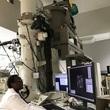
The CryoEM Core is a state-of-the-art resource for near-atomic resolution 3-D analysis of the structure and dynamics of macromolecules and assemblies, either purified or within cells.
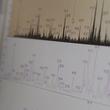
Mass Spectrometry Proteomics
The Mass Spectrometry (MS) Proteomics Core provides full “beginning-to-end” support that includes project evaluation and design, biochemical purifications, mass spectrometry sequencing, and data analysis performed within the core and by the experienced core personnel.
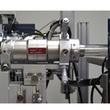
The Macromolecular X-Ray Crystallography Facility provides a centralized, state-of-the-art resource for the acquisition of atomic resolution, 3D structure information of macromolecules, including proteins, nucleic acids, and their complexes with small molecule inhibitors.
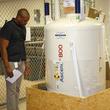
The NMR and Drug Metabolism Core offers tools to support the discovery, synthesis, screening, optimization, metabolism and pharmacokinetics of small molecule ligands or lead compounds.
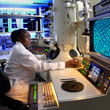
The Advanced Technology Core laboratories listed above are ones most utilized by faculty and students in our program. Depending on your area of focus, you may use others as well. These cores provide state-of-the-art instrumentation and technologies as well as consultation on experimental design, data analysis and training. Through the cores, you will not only gain access to tools and techniques that support your research, you will also receive training and mentorship in how to leverage these tools to develop innovative approaches to scientific challenges.
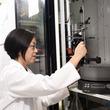
As you begin your career in research it is impossible to predict where your investigations will need. Therefore it is essential to have access to diverse resources, not only equipment but also experienced individuals available to help you identify the resources you need and master their use.
Texas Medical Center
The concentration of research in every aspect of biomedical sciences in the Texas Medical Center and in Houston is among the highest to be found anywhere. Through an extensive network of affiliations, you will have access to extensive interactions and collaborations with researchers from the full spectrum of physical and social sciences.