

The Internal Medicine Residency at Baylor College of Medicine is committed to training the best physicians in the country, driven by our core principles of clinical excellence, innovation, and continuous learning. The curriculum delivers rigorous clinical training with graduated autonomy in clinical decision-making, leadership, and teaching responsibilities.
- PGY-1
- Build a strong foundation in core internal medicine topics through general medicine inpatient ward rotations
- Introduce different subspecialties in a variety of clinical settings through critical care, elective and primary care rotations
- PGY-2
- Refine clinical decision-making and care coordination in a supervisory role on general internal medicine rotations
- Hone skills as an educator in didactics and at the bedside
- Explore career paths through a range of inpatient and outpatient subspecialty, critical care, primary care, and (if requested) research rotations
- PGY-3
- Consolidate patient care and leadership skills as leaders in the ICU and on general medicine wards, as well as a general medicine consultant to non-medicine services
- Prepare for fellowship and job applications through flexible subspecialty and primary care clinic blocks
For more detailed information on rotations and sample schedules specific to each track, please visit the dedicated track pages below:
Dedicated Tracks
Didactics
To complement and reinforce the clinical training received in patient care settings, our curriculum offers a range of structured didactic teaching, including:
- Morning Report: daily resident-led sessions offered at each hospital and continuity clinic site, providing learners the opportunity to practice clinical reasoning and socialize
- Noon Conference: weekly protected learning sessions during inpatient rotations covering high-yield topics from faculty and chief residents as part of our year-long curriculum
- Department of Medicine Grand Rounds: presented weekly at the medical school
- Wednesday School: an academic day scheduled every other block that includes ambulatory didactics, QI projects, journal clubs, resident-as-teacher workshops, simulation sessions, and procedure training
- Intern Bootcamp: an annual day-long event during intern orientation in which PGY1s discuss common clinical scenarios one-on-one with a resident or faculty facilitator, practice safe patient handoffs, and review core skills such as calling consults, writing notes, and developing life-long learning habits during residency.
- Upper-Level Boot Camp: an annual half-day of workshops that take place during Wednesday School for end-of-year PGY1s to prepare them for clinical leadership and team management roles as an upper-level resident.
Mentorship
Each resident works one-on-one with a dedicated faculty advisor from the program leadership group or core educational faculty. Residents meet at least twice per year with advisors to review milestone-based evaluations, discuss career planning, and develop goals. Faculty advisors link residents with other mentors, including those in the trainee's future career specialty. Visit our Fellowship and Careers page for more details on post-residency planning.
Innovative Educational Programs
The Internal Medicine Residency at BCM is known for its educational innovations, with many initiatives having been shared across the country via publications and national presentations and workshops. Our innovations include the following:
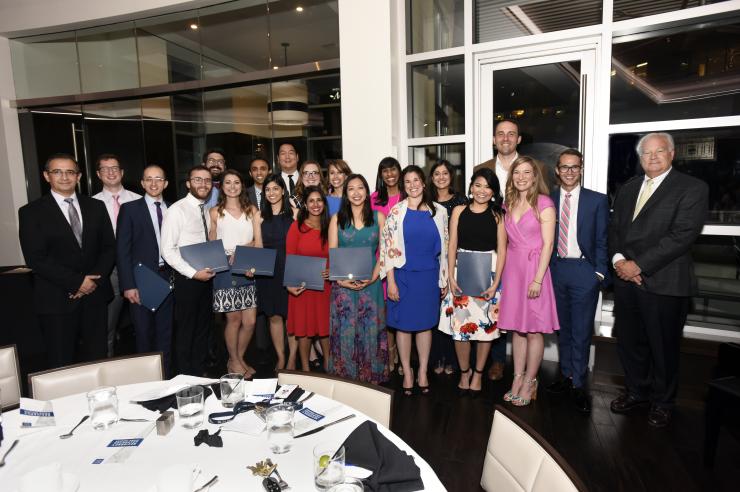
Distinguished Educator Pathway: All residents interested in teaching may participate in the Academy of Resident Educator curriculum and earn a certificate of distinction in medical education by the end of residency training.
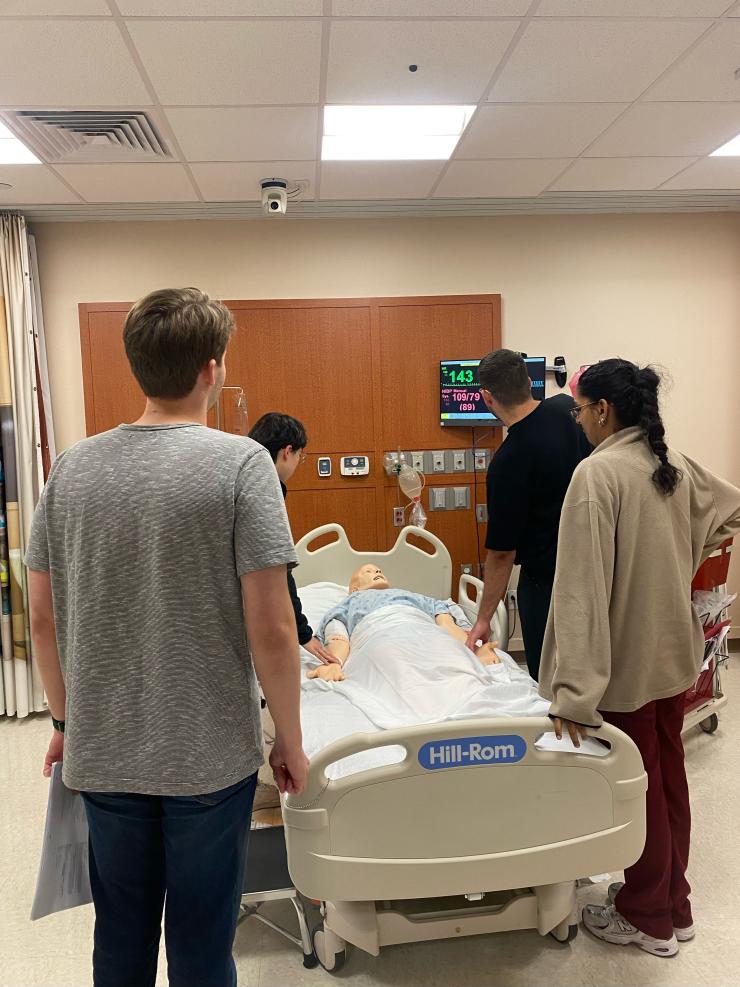
Longitudinal Point-of-Care Ultrasound (POCUS) Curriculum: year-long course that uses independent study, faculty-led didactics, and small group skills practice sessions to teach internal medicine-focused POCUS skills.
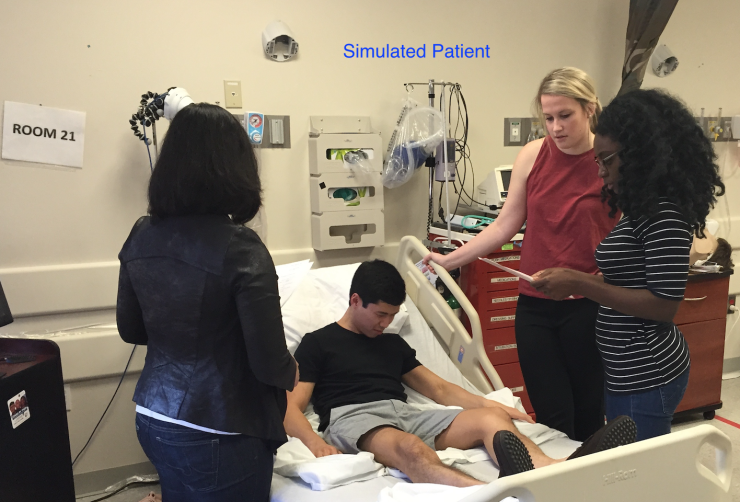
Cardiology Boot Camp: In collaboration with the Texas Heart Institute at Baylor College of Medicine, BCM cardiology faculty and fellows lead this annual day-long workshop to teach interested residents important cardiology topics, such as Hemodynamics 101 or Intro to the Cath Lab.
Intercity Medical Careers Opportunities (IMCO): resident-led outreach program partnering with a local community center and middle school to deliver healthcare sciences teaching to children with the goal of empowering them to engage in their own healthcare and explore a future career in the healthcare sciences.
Quality Improvement and Patient Safety Curriculum
Baylor College of Medicine Internal Medicine Residency Program places great emphasis on quality improvement and patient safety training, exceeding the requirements set forth by ACGME. The Internal Medicine Program hosts a comprehensive Quality Improvement (QI) curriculum, which includes a longitudinal course for PGY-2 residents based on the IHI Model for Improvement and Lean principles. PGY2 and PGY3 residents lead educational conferences on high-value care and patient safety. All residents participate in a QI project at our teaching hospitals. These award-winning resident projects have been presented at the local, regional and national levels. Additionally, residents attend hospital committees that focus on systems-based practices, including Patient Safety, Quality Review, and Patient Flow. Residents may also choose to do a QI project as part of a month-long research elective.
For residents interested in pursuing quality improvement as a career, Baylor College of Medicine offers positions for Chief Residents in Quality and Patient Safety (CRQS) at the Michael E. DeBakey VA Medical Center.