
At Baylor College of Medicine, faculty members have the freedom to select programs that align with their research. Rather than be bound by the department or center into which they were hired, faculty opt into participation in graduate programs. This ensures that you will interact with faculty who bring diverse backgrounds and perspectives across the full depth and breadth of quantitative and computational biosciences.
Explore profiles of faculty below or visit our research page to learn about the various areas in which our faculty work and find investigators whose interests match your own.
Faculty A-G: Graduate Program in QCB
Faculty H-O: Graduate Program in QCB
Faculty P-Z: Graduate Program in QCB
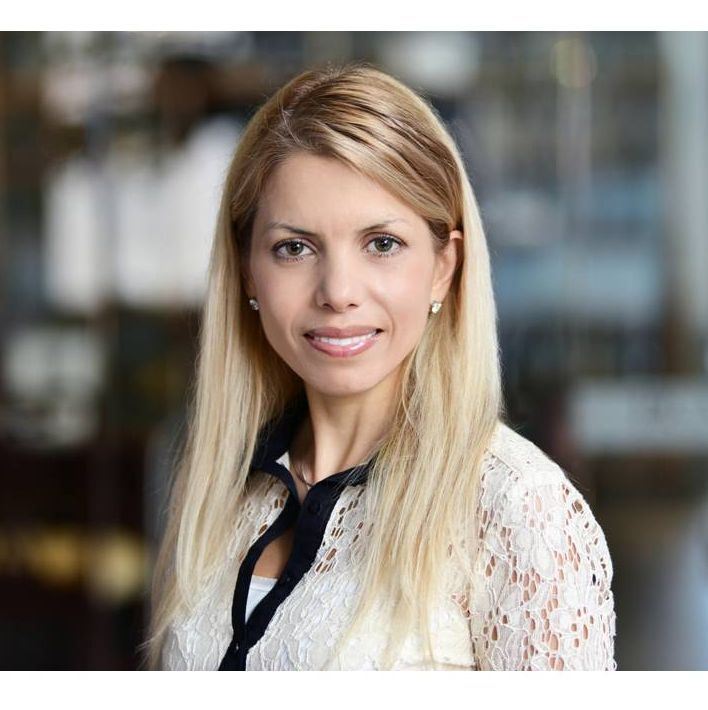
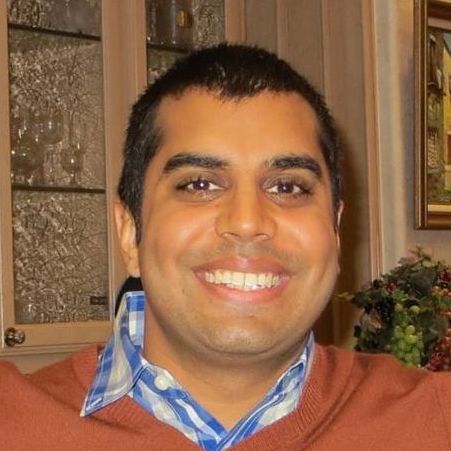
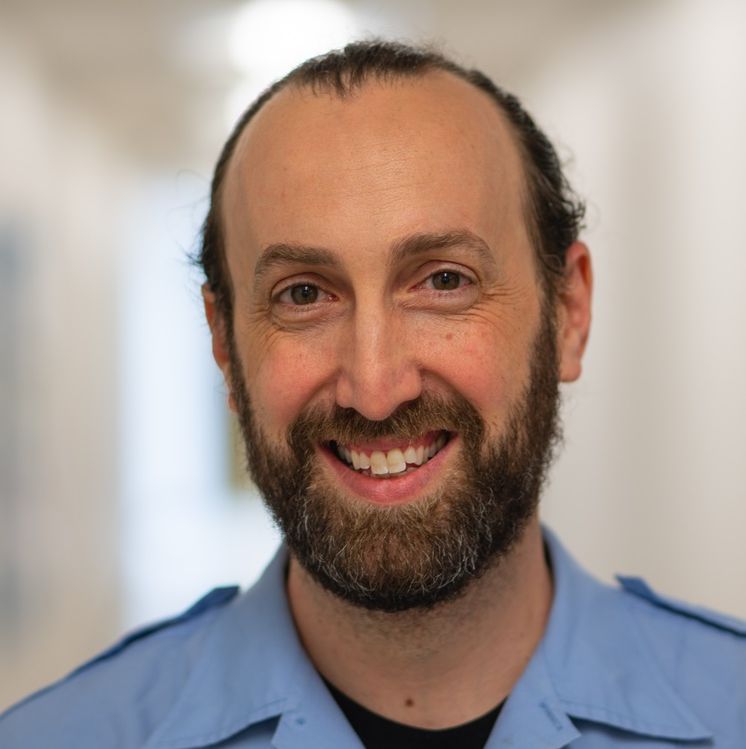
Interinstitutional Faculty
As a student in our program you will have access to faculty and resources from seven world-renowned research institutions in and around the Texas Medical Center, including Rice University, Methodist Research Institute, University of Houston, University of Texas Health Science Center, University of Texas Medical Branch at Galveston and University of Texas MD Anderson Cancer Center.
Elmer V. Bernstam, M.D., MSE ** The University of Texas Health Science Center. Clinical and translational informatics, consumer informatics, natural language processing, and information retrieval.
James Briggs, Ph.D. University of Houston. Computer-aided drug design; molecular modeling; computational biophysics.
Ken Chen, Ph.D. The University of Texas MD Anderson Cancer Center. Computational methods to systematically and accurately characterize genomics and transcriptomes of human cell populations using high throughput sequencing technology.
Cecilia Clementi, Ph.D. Rice University. Physical Chemistry; Theoretical Biophysics; Statistical Mechanics; Protein Folding; Computational Molecular Biology.
Mauro Ferrari, Ph.D. The Methodist Hospital Research Institute. Nanotechnology in biomedical applications.
S. Lennart Johnsson, Ph.D. University of Houston. Energy efficient computer system design and operation high performance computing algorithms, parallel and grid computing,and computational science.
Lydia Kavraki, Ph.D. Rice University. Bioinformatics, computational biology, systems biology, computer-assisted drug design, biomedical informatics.
Marek Kimmel, Ph.D. Rice University. Informatics and statistical modeling of genome dynamics.
Han Liang, Ph.D. The University of Texas MD Anderson Cancer Center. Next-generation sequencing; MicroRNA regulation, regulatory network, and evolutionary genomics.
Jose Onuchic, Ph.D. **Rice University. Protein folding and function, electron transfer in proteins, and stochasticity and noise in gene networks.
B. Montgomery Pettitt, Ph.D. **The University of Texas Medical Branch at Galveston. Theoretical and computational biophysics and biochemistry, protein design, drug screening and design.
Kunal Rai, Ph.D. MD Anderson. Epigenetics.
Robert Raphael, Ph.D. Rice University. Cell membrane mechanics, thermodynamics and biophysics.
Nidhi Sahni, Ph.D. MD Anderson. Systems biology; epigenetics; computational biology; genomics.
Wenyi Wang MD Anderson. Statistical genomics, tumor heterogeneity and evolution, statistical genetics, TP53 biology
Richard Willson, Ph.D. University of Houston. Biomolecular recognition; molecular diagnostics.
Whitney Yin, M.D. Ph.D. The University of Texas Medical Branch. Mitochondrial DNA replication and damage repair.
** denotes QCB Executive Committee faculty member