
Our History
The Michael E. DeBakey Department of Surgery was so named in 1999 to honor the great legacy of its iconic and longest serving chair, who led the department from 1948 to 1993. Dr. DeBakey and the surgeons he trained and recruited advanced the science of medicine, created innovative surgical instruments and techniques, and touched the lives of millions of people. A prolific physician and teacher, DeBakey performed more than 60,000 cardiovascular procedures, and trained more than 1,000 surgeons who now practice throughout the world.
Considered by many to be the father of cardiovascular surgery, Dr. DeBakey contributed trailblazing discoveries in surgical science and developed techniques that still serve as the basis of modern day surgery. His contributions include, but are not limited to, being the first to perform: carotid endarterectomy (1953), excision and homograft replacement of an aneurysm of the abdominal aorta (1954), aortocoronary artery bypass (1964), and use of a left ventricular bypass pump (1966).
The Michael E. DeBakey Department of Surgery salutes the ground breaking work of this great pioneer of surgery, biomedical research, and medical education who shaped the future of our department over the past six decades.
Early Years
Dr. Gene A. Guinn was a professor of surgery in the Division of Vascular Surgery and Endovascular Therapy. He also was chief of vascular surgery at the Michael E. DeBakey VA Medical Center.
Dr. George L. Jordan, Jr., graduated from Tulane University in New Orleans and came to Baylor College of Medicine in 1952 where he worked closely with Dr. Michael E. DeBakey to establish outstanding surgical, education, research and clinical programs. Dr. Jordan served as chief of surgery at the Michael E. DeBakey VA Medical Center and deputy chief of Surgery and then chief of staff at Ben Taub Hospital. He directed the Affiliated Medical services of Baylor College of Medicine and The University of Texas Health Science Center. He served for 42 years in the public health sector.
Know as "the" gastrointestinal surgeon in Houston for three decades, Dr. Jordan treated patients with pancreatic cancer, short bowel syndrome, complex gastrointestinal malignancies, complex ulcer disease, and complex pancreatic problems. He maintained a busy schedule in research and administration but did not fail to make daily rounds on his patients and often knew more about them than anyone else in the service.
As a researcher, Dr. Jordan's focus was on the diseases of the pancreas and other gastrointestinal problems. He developed the Jordan test for afferent loop syndrome and the Jordan procedure for the treatment of complex pancreato-duodenal trauma.
Dr. Jordan authored numerous publications in peer-reviewed journals and co-authored a book with John Howard titled "Surgical Diseases of the Pancreas".
Dr. Jordan's dedication to training generations of surgical residents made a profound impact on the lives of those he touched. He is highly regarded by those he taught and helped shape many of the leaders in the department today.
"Dr. George L. Jordan was my surgical father. He was the first surgeon I met when I arrived in Houston in 1960. He taught me time management, reading skills, disciplined habits, attention to detail, surgical skills, insatiable pursuit of new knowledge, patience, the art of listening, tenacity, humor, and the need for unmoving principles." - Kenneth L. Mattox, M.D., distinguished service professor at Baylor College of Medicine and chief of staff and surgeon in chief at Ben Taub Hospital.
Dr. Jordan's legacy to the department and to medicine as a whole can be found in his contributions to society through his 42 years of service in the public health sector, his dedication to education, and his relentless pursuit of research.
"He was the most caring kind, selfless, moral and honest person I have ever known. He unselfishly supported countless young surgeons to excel. He could have spent his life in the most hallowed halls of the most elite of hospitals. He did spend his life among the many hospitals of the Texas Medical Center, but resided in the Veterans and county hospital systems. He dedicated his most sacred energies to the highest quality of health care for those who had no other choice. Within the indigent care facilities, he combined his religious zeal, his surgical excellence, his teaching wisdom, and his research insight into what is uniquely Dr. George L. Jordan, Jr., M.D. - A Lifetime of Service." - Dr. Kenneth Mattox
Dr. Paul Jordan, Jr., studied science and medicine at the University of Chicago. He completed his surgical internship and residency at St. Luke's Hospital, University of Illinois and the Hines VA Hospital. Dr. Jordan served in the U.S. Army Medical Corps from 1946 through 1948. He then joined UCLA as a clinical instructor and then as assistant professor. He was awarded a special National Institutes of Health Fellowship to the Karolinska Institute in Stockholm, Sweden, in 1958. He moved to Houston in 1964 where he joined Baylor College of Medicine as a professor of surgery.
Dr. Jordan made quite a few advancements to the art of surgery during his career. He was the first surgeon to perform direct surgery for atherosclerosis in the United States when he performed a femoro-popliteal bypass using a vein graft in the early 1950s. He was one of the first to perform the Whipple procedure for chronic pancreatitis besides Whipple himself.
At the Houston VA Hospital where he practiced, Dr. Jordan made great advancements in the treatment of peptic ulcer disease. He conducted a study of more than 1,000 cases in which he performed parietal cell vagotomy to treat the disease. He proved that many of the serious side effects of the previously used procedure, truncal vagotomy, could be eliminated using the parietal cell vagotomy.
Dr. Jordan was a well-published author as well as a pioneer in surgery. He published close to 200 peer-reviewed articles in many scientific journals during his career. One article appearing in JAMA in 1946 concerning the value of lumbar sympathectomy for claudication received newspaper publicity. His studies on this subject led to the first femoro-popliteal bypass using a vein graft.
The Houston Surgical Society honored Dr. Jordan in 1989 when they presented him with the Distinguished Houston Surgical Award. Dr. Jordan is a true pioneer in surgery. His legacy has changed the face of medicine.
Dr. Francis Cowgil Usher received his undergraduate degree from The University of Texas in 1930 and his medical degree from the University of Pennsylvania in 1935. He completed his internship in 1937 at Lankenau Hospital in Philadelphia and a residency in general surgery in 1940 at the Mayo Clinic in Rochester, Minn. He served as an army surgeon in Germany and England as a Lieutenant Colonel from 1940-1945.
He moved to Houston, Texas, in 1946 where he worked as a general surgeon in private practice. He joined the faculty at Baylor College of Medicine as a clinical associate professor in 1949.
Dr. Usher published many scientific papers on a variety of subjects including jejunostomy feeding, colon surgery, and postmastectomy sarcoma. Of the 36 papers Dr. Usher published from 1958 to 1963, 19 of them were dedicated to the subject of hernias.
Dr. Usher is best known for his research focused on the recurrence of hernias after hernia repair surgery, the most common procedure he performed in his general surgery practice. Dr. Usher's diligent pursuit of research led him to work with chemists and engineers to create a surgical mesh that would resist rigidity, fragmentation, loss of strength, and foreign body rejection. His patented polypropylene mesh and monofilament suture are not only still in use today but are the first choice of many surgeons throughout the world.
Dr. Usher's invention has shaped modern medicine and is the innovation that allows for successful hernia repair to this day. Millions of people around the world have benefitted and continue to benefit from Dr. Usher's legacy.
Dr. Sidney Baron Hardy attended The University of Texas Medical Branch in Galveston in 1932 and then interned and completed his general surgery residency at Jefferson Davis Hospital in Houston. After finding his interest was in plastic surgery, he attended Jerome Webster’s residency at Columbia Presbyterian Medical Center in New York before joining the US Navy as a plastic surgeon for two years. After the Navy, Dr. Hardy went into private practice with Dr. L.D.H Kirkham, a founding member of the American Board of Plastic Surgery. Following Kirkham’s untimely passing, Dr. Hardy was asked by Dr. Michael E. DeBakey to create a division of plastic surgery at Baylor College of Medicine. In 1952, he and Dr. Tom Cronin, another plastic surgeon in Houston, trained their first plastic surgery resident, Dr. Ralph Millard, who went on to serve at the University of Miami for over 30 years and gain worldwide influence. Dr. Hardy eventually served as associate dean of Baylor College of Medicine and became professor emeritus of Plastic Surgery in 1976. He retired in 1986 but continued to see patients until he died in 1990.
Cardiac Innovation
Dr. Arthur Beall earned his undergraduate and medical degrees at Emory University in Atlanta, Ga. In 1954, Dr. Beall joined Dr. DeBakey as a first-year resident rotating through the surgical services at Methodist, Jefferson Davis, and the Veteran's Administration hospitals. His residency was interrupted in 1956 when he was called to active duty in the United States Navy.
During this two-year stint as a naval medical officer, Dr. Beall served as the assistant chief of thoracic surgery at the Naval Hospital in Oakland, Calif. During this time, he worked at Stanford University in Dr. Frank Gerbode's laboratory where he began working on a homograft aortic valve that would become one of his greatest contributions to medicine.
He returned to Houston and completed his General Surgery residency at Baylor University College of Medicine and began the Baylor Thoracic Surgery residency. Dr. Beall was appointed instructor in surgery at Baylor University College of Medicine in 1959 and was promoted to assistant professor in 1962 and then to associate professor in 1966. He advanced to professor in 1971 and held this position until 1999 when he was named Professor of Surgery, Emeritus. He held this position until his death in December 2002.
He continued to work on the homograft valve he started at Stanford and in 1961 he published his findings in The Journal of Thoracic and Cardiovascular Surgery. This work led to the creation of prosthetic heart valves. He continued work on a new model heart valve that went on to become the Beall valve. It was the most widely used prosthetic valve in the world from 1965 until mid 1970.
Dr. Beall focused his interest on the new concept of utilizing cardiopulmonary bypass during cardiac surgery. He investigated using other solutions to prime the bypass pump to eliminate need for drawing blood from donors prior to surgery. He went on to design filters to remove dangerous debris produced by the bypass pump thus decreasing post-operative morbidity.
Dr. Beall published over 360 scientific articles in professional journals. His papers included innovative ideas such as adding mannitol to the cardiopulmonary pump to reduce kidney failure and the concept of ventricular assist devices for circulatory support for post surgical heart failure. A true pioneer, Dr. Beall will be remembered by many.
Dr. Ernest Stanley Crawford graduated Phi Beta Kappa from the University of Alabama in 1943 and Alpha Omega Alpha from Harvard Medical School in 1946. He started an internship at Massachusetts General Hospital in Boston. He served as a lieutenant in the United States Navy at the U.S. Naval Hospital in Portsmouth, N.H., from 1947 to 1949. He completed his surgical residency as chief resident at Massachusetts General Hospital.
Under the guidance of his mentor, Dr. Edward Churchill, Dr. Crawford decided to join Dr. Michael E. DeBakey at Baylor College of Medicine in Houston where he spent the next 38 years. He served as a professor in surgery from July 1966 until his death in 1992.
Dr. Crawford became internationally known for his innovative surgical techniques in the treatment of complex aortic diseases particularly Marfan syndrome and aortic dissection. He authored more than 300 peer-reviewed publications and book chapters and co-authored a textbook, Disease of the Aorta, with his son Dr. John Lloyd Crawford, II.
Dr. Crawford was co-inventor of the Baylor Rapid Autologous Transfusion System. This machine recycles a patient's washed red blood cells during surgery. This reduces the amount of blood and blood products needed during complex aortic aneurysm and other arterial surgeries.
Dr. Crawford was a true pioneer in medicine. The innovations he made in surgery and research are used to train future generations of surgeons and treat patients today. His legacy will always live on.
Dr. Oscar Creech, Jr., received his bachelor's degree from Wake Forest College in 1937 and his medical degree from Jefferson Medical College in 1941. He completed his residency in surgery at Tulane University in New Orleans, La.. In 1949, he joined Dr. Michael E. DeBakey at Baylor University College of Medicine where he served until 1956. He returned to Tulane as a professor and chair of the Department of Surgery. He held this position for 11 years until he accepted the deanship of the Tulane Medical School in July of 1967. He held this position until his death in December of 1967.
Dr. Creech was a talented surgeon who was internationally recognized as a leader in surgery of the heart and blood vessels. He received two gold medals from the American Heart Association as well as a special citation from the American Heart Association for his achievements in research. He was the past president of the American Surgical Association and vice-president of the Society of Clinical Surgery. He served as the vice-president of the International Cardiovascular Society at the time of his death.
Research played an important role in Dr. Creech's career. He was co-inventor of the regional perfusion technique in the treatment of malignant diseases. The procedure, developed at Tulane in 1957, uses a heart-lung machine to pump heavy doses of anti-cancer drugs to isolated portions of the body leaving the rest of the body protected by tourniquets. For his outstanding contributions to medicine, Modern Medicine Magazine honored him with a Distinguished Achievement Award in 1965.
Dr. Creech was not only a talented surgeon and gifted researcher, he was a great educator as well. His students were inspired by his dedication, confidence and optimism. He taught them the art of surgery but he didn't stop there. He taught them integrity, loyalty, humility and compassion in the best way possible, by example. His legacy will live on in his students who continue to practice and teach the skills they learned from him and pass them on to the next generation of surgeons.
Dr. H. Edward Garrett, Sr. joined the Department of Surgery faculty after completing his training in general and thoracic surgery at Baylor College of Medicine under the direction of Dr. Michael E. DeBakey. In 1964, Dr. Garrett performed the first successful coronary artery bypass and the following year, published the first series of bypass operations for arteries in the lower leg.
Dr. George C. Morris, Jr., graduated from Beaumont High School and attended Washington and Lee University in 1942. He served as Lieutenant in the United States Naval Reserve, Medical Corps during World War II and the Korean War. Dr. Morris earned his medical degree from the University of Pennsylvania in 1948.
He served as the first surgical resident under Dr. Michael E. DeBakey in 1950 when he began residencies in general and thoracic surgery. According to Dr. DeBakey, "George Morris was one of the best surgeons he ever trained – having qualities he considers essential to surgery – technical ability, absolute integrity, a good basic foundation in anatomy, pathology, and physiology, and a compassionate concern for the patient."
After completing his residencies, Dr. Morris joined the Baylor faculty. He held many academic appointments including professor of surgery and eventually emeritus professor of surgery from 1968 until his death in 1996.
Dr. Morris was known as a pioneer in cardiovascular and peripheral vascular surgery and research. Although his major interest was cardiovascular surgery, he directed most of his research efforts toward renovascular, coronary and peripheral vascular conditions. Dr. Morris performed the first successful surgical treatment of an acute dissecting aneurysm of the aorta.
Dr. Morris was not only a gifted surgeon and researcher, he was a dedicated teacher. He taught his residents and fellows to achieve excellence in technical skills and to follow the highest standards of patient care. Dr. Morris was known internationally for his teaching skills and was a visiting professor at many universities throughout the world.
Dr. Morris was a member of many prestigious medical and surgical societies and was a well-recognized author. He published more than 300 scientific papers, books and motion pictures in the field of cardiovascular surgery. Dr. Morris' legacy will live on through his advances in research, publications and in those he trained.
Modern Era
John C. Baldwin, M.D., was born in Fort Worth, Texas. He excelled as a varsity athlete and school valedictorian. He attended Harvard College, where he received prestigious awards and graduated summa cum laude. Following a year of study at Oxford as a Rhodes Scholar, he began medical school at Stanford University, and after completing both medical and surgical residencies at Massachusetts General Hospital, he returned to Stanford to complete his training in cardiothoracic surgery under the tutelage of world-renowned surgeon, Dr. Norman Shumway. In 1988 he was appointed chief of Cardiothoracic Surgery at Yale University, where he performed the first successful heart-lung transplant on the East Coast.
In 1994 he joined Baylor College of Medicine, where he succeeded Dr. Michael E. DeBakey as chair of the Department of Surgery and head of surgical programs at its affiliated hospitals. As chair and head of Surgical Services at The Methodist Hospital, Dr. Baldwin and his research team performed the first successful cardiac “auto-transplant” procedure—the removal of a young man’s entire heart, excision of the intra-cardiac tumor, and re-transplantation of the heart. He later served as dean of Dartmouth Medical School, president and CEO of the Immune Disease Institute at Harvard, and president of the Health Sciences Center at Texas Tech University.
Dr. Baldwin’s pursuits and passions transcended his work as a practicing physician. He was a national leader in healthcare policy and held numerous advisory roles in government and business. In 2011, he was appointed by President Barack Obama to serve on the U.S. Defense Health Board – a federal advisory committee responsible for overseeing military healthcare. He was proud to have served on the board of the Robert F. Kennedy Foundation in defense of human rights throughout the world. The breadth of his experience resulted in his participation on directorial boards of numerous Fortune 500 companies. He was a member of the Harvard University Board of Overseers, and cherished his long-time association with the institution that he credited with nurturing his love of knowledge.
Denton A. Cooley was born in 1920 in Houston, Texas. After receiving an M.D. in 1944 from Johns Hopkins University School of Medicine, in Baltimore, he completed a surgical residency under Dr. Alfred Blalock at that same institution. He then became the senior surgical registrar with Russell Brock at the Royal Brompton Hospital in London. In 1951, he joined the faculty of Baylor College of Medicine in Houston. In 1969, he resigned from Baylor to become chief surgeon at the Texas Heart Institute (THI), which he had founded in 1962.
Dr. Cooley’s career spanned the history of modern cardiovascular surgery. He developed many of today’s commonly used cardiovascular procedures and devices. He is best known for performing the first successful human heart transplant in the United States (1968), as well as the first clinical implants of mechanical devices - total artificial hearts (1969 and 1981) and a left ventricular assist device (1978) - as bridges to heart transplantation. However, many of his other contributions are equally important: the first successful carotid endarterectomy as well as techniques for repairing diseased heart valves, congenital cardiac anomalies, and aortic and ventricular aneurysms.
In the early days of open heart surgery, few cardiovascular surgeons did more than two operations per day. Dr. Cooley proved that a skilled surgeon could do up to 12 procedures per day. Because he used glucose rather than blood to prime the heart-lung machine, patients were spared unnecessary exposure to blood, and more operations could be performed. He and his team performed nearly 115,000 open heart operations. For these reasons, Dr. Cooley’s name became synonymous with medical and technical excellence.
Dr. Cooley’s innovations were not limited to the operating room or the laboratory. For example, he founded a managed health care plan that was the first to “bundle” cardiovascular services into one fixed fee, which saved millions of healthcare dollars. He established a number of educational programs at THI. Moreover, by serving as a spokesperson for cardiovascular technology, Dr. Cooley helped make cardiac assist devices, the artificial heart, and cardiac transplantation the lifesaving treatments that they are today.
Dr. Cooley authored or coauthored more than 1,300 scientific papers and 12 books. He was a member or honorary member of over 70 professional societies, including the Denton A. Cooley Cardiovascular Surgical Society, founded by THI surgical trainees in his honor. Among his more than 120 honors and awards are the National Medal of Technology; the Presidential Medal of Freedom, the highest U.S. civilian award; the Rene Leriche Prize, the highest honor of the International Surgical Society; the Distinguished Service Award of the American Medical Association; the Gifted Teacher Award of the American College of Cardiology; the Theodore Roosevelt Award, given by the National Collegiate Athletic Association to a varsity athlete who has achieved national recognition in his profession; and the Grand Hamdan International Award for Medical Science. He also received honorary degrees from eight universities and honorary fellowships in eight Royal Colleges of Surgery. He was named distinguished alumnus at both The University of Texas and Johns Hopkins University.
Millions of people have been helped by Dr. Cooley’s surgical innovations. In presenting him with the Medal of Freedom, President Ronald Reagan acknowledged this fact by remarking that Dr. Cooley “has charted new territory in his search for ways to prolong and enrich human life.”
Dr. Cooley died Nov. 18, 2016.
Dr. Jimmy F. Howell was a faculty member in the Department of Surgery at Baylor College of Medicine for 50 years. He joined the department during the early era of cardiovascular surgery when its development was very rapid and new “firsts” seemed to be the norm rather than the exception. Dr. Howell earned his medical degree in 1957, completed his General Surgery Residency in 1962, and his Thoracic Surgery Residency in 1963 at Baylor College of Medicine. He was trained by Drs. Michael E. DeBakey, Denton A. Cooley, E. Stanley Crawford, and George C. Morris to name a few.
Dr. Howell served as director of the Vascular Surgery Training Program at Baylor College of Medicine and The Methodist Hospital, which has produced numerous national and international vascular surgeons. He was also instrumental in the development of certain types of cardiac surgery, especially those for ischemic heart disease. Early in his career and inspired by Dr. H. Edward Garrett, he sought a surgical solution to coronary occlusive disease. This work resulted in the first successful coronary artery bypass operation in 1964 by Drs. Garrett and Howell. Dr. Howell performed more than 60,000 surgical procedures; more than 30,000 of these have been for cardiac or vascular cases. He is recognized worldwide for his many contributions to reduce disability and death from heart disease and stroke.
Dr. William Pokorny earned his medical degree from the University of Kansas in Lawrence, Kan., in 1967. He then completed a general surgery residency at the University of Kansas in Kansas City and a pediatric surgery residency at Children's Memorial Hospital in Chicago, Ill.
Dr. Pokorny served in the United States Army in Frankfurt, Germany, for two years and returned to Houston in 1976 where he began to practice pediatric surgery as a voluntary faculty member for Baylor College of Medicine.
In 1985, Dr. Pokorny joined the full-time faculty of Baylor College of Medicine becoming a full a professor in surgery and pediatrics in 1991. He served as chief of the Section of Pediatric Surgery at Baylor College of Medicine as well as chief of the Pediatric Surgical Services at Texas Children's Hospital and Ben Taub General Hospital. Dr. Pokorny died in 1994 at the age of 51.
Dr. Pokorny was a well-published author. He published more than 50 peer-reviewed journal articles in many scientific journals. He also wrote chapters for more than 20 medical textbooks during his career.
Dr. Pokorny was responsible for developing the Pediatric Surgery Residency Program at Baylor College of Medicine in 1988 and served as the program director. This program is still thriving in the department today and is one of the top programs in the nation.
In the most recent reporting period, the chief resident had performed the largest number of operations of all pediatric surgical residents in the country! This is a true reflection of the legacy Dr. Pokorny left for the Michael E. DeBakey Department of Surgery.
Dr. Melvin Spira served in the United States Navy during World War II where he completed his pre-dental studies. He graduated from Northwestern University Dental School with a dental degree in 1947. Soon after, he began practicing dentistry with his father in Chicago, Ill. He was called back to active duty in 1948 and served aboard the USS Philippine Sea and the USS Leyte and had the dental responsibilities for 700 marines in the Mediterranean. In 1950, after being released to the reserves, Dr. Spira entered Northwestern University Graduate School intent on obtaining a master’s degree in oral surgery. He soon decided to focus on a career in plastic surgery. He spent three years in a general surgery residency at Duke University Medical Center in Durham and then completed his plastic surgery residency at Baylor College of Medicine in 1931.
He joined the faculty at Baylor College of Medicine and was appointed as chief of plastic surgery by Dr. DeBakey in 1976. He served in that capacity for 19 years.
Dr. Spira has held memberships in many organizations serving as president of the Houston Society of Plastic Surgeons, the Texas Society of Plastic Surgeons, the American Society of Maxillofacial Surgeons, and the American Association of Plastic Surgeons. In 1985, he was elected as chair of the American Board of Plastic Surgery. The Houston Surgical Society named him their Distinguished Houston Surgeon of 1996.
Dr. Spira is a well-published author having authored over 181 peer-reviewed articles that have been published in many scientific journals. In addition, he has authored 41 book chapters.
As an educator, Dr. Spira is devoted to teaching the next generation of medical students and residents the important lessons he learned from his own professors and teachers. "I will continue to teach and practice the specialty and follow the dictum set forth by my professors and teachers, that 'the professional man has no right to be anything other than a continuous student.'" - Melvin Spira, M.D., D.D.S.
Dr. Spira passed away on Oct. 8, 2020 in Carlsbad, CA. He was born in Chicago, IL on July 3, 1925.
Dr. Samuel Stal served as a professor and chief of Plastic Surgery at Baylor College of Medicine and Texas Children's Hospital, where he worked for over 30 years. Born in Munich, Germany, Dr. Stal moved as a child to Chicago with his family following the Holocaust. After completing his undergraduate degree at the University of Wisconsin, Dr. Stal received his medical degree from Loyola University. He then did his training in Chicago, Houston, and France and was board-certified in both otolaryngology and plastic surgery.
Dr. Stal specialized in craniofacial, cleft lip, and palate deformities. His focus on helping children led to his founding of the Texas Children's Hospital Center for Facial Surgery, which served children regardless of their financial status. Dr. Stal was also a mentor for countless residents, fellows, and physicians throughout his career. Dr. Stal died in 2012.
Dr. David Sugarbaker was the founder and chief of the Division of General Thoracic Surgery and the founding director of the Baylor College of Medicine Lung Institute at Baylor St. Luke’s Medical Center and the Mesothelioma Treatment Center (MTC) at Baylor College of Medicine. He and his team focused on developing medical and surgical treatments for benign and malignant thoracic and esophageal diseases. Dr. Sugarbaker was considered one of the foremost experts and pioneers in the treatment of malignant pleural mesothelioma (MPM).
Prior to coming to Baylor, Dr. Sugarbaker served as founding chief of the Division of General Thoracic Surgery at Brigham and Women’s Hospital in Boston and as the Richard E. Wilson Chair of Surgery at Harvard University. His major contributions to the field include refining the techniques of extrapleural pneumonectomy (EPP), developing methods to perform intraoperative heated chemotherapy, and creating clinical trials to establish working intraoperative chemotherapies. Dr. Sugarbaker's later research focused on improving drugs for therapy of malignant pleural mesothelioma.
In 1992, Dr. Sugarbaker developed the first general thoracic surgical residency track in the United States, and he eventually trained more than 80 residents, many of whom subsequently became leaders in the field. Among many other awards and accolades, he won the Pioneer Award from the Mesothelioma Applied Research Foundation in 2012 and was the 94th president of the American Association for Thoracic Surgery (AATS). Dr. Sugarbaker also authored “Adult Chest Surgery,” now in its third edition and titled, “Sugarbaker’s Adult Chest Surgery.” Dr. Sugarbaker’s clinical interests included video-assisted thoracic surgery, minimally invasive surgery, lung volume reduction surgery, and general thoracic surgery.
Dr. Sugarbaker died Aug. 29, 2018. The David J. Sugarbaker, M.D. Division of Thoracic Surgery Endowed Fund has been created to support the training of future thoracic surgeons to carry on his legacy.
Dr. Charles H. McCollum joined the Department as a faculty member in 1966 alongside Dr. Michael E. DeBakey. Since then, he has served as acting chair of the Department (1998-1999) and interim chief of both the Division of Vascular Surgery and Endovascular Therapy and the Division of Cardiothoracic Surgery. Dr. McCollum was program director of the General Surgery program for 23 years. He organized and was co-director of the Vascular Diagnostic Lab at the Houston Methodist Hospital for 36 years and held the Olga Keith Weiss Endowed Chair of Surgery at Baylor College of Medicine. Dr. McCollum was presented with a 50 Year Service Award and the “Lifetime” Alumni Achievement Award from Baylor College of Medicine, was named a Distinguished Houston Surgeon by the Houston Surgical Society and received the Ashbel Smith Distinguished Alumnus Award from The University of Texas Medical Branch Alumni Association. In 2019, he was recognized among One Hundred Notable Physicians at the First Centennial Celebration at Houston Methodist Hospital.
Dr. McCollum graduated from The University of Texas Medical Branch, where he was elected to the Alpha Omega Alpha Honor Medical Society. He completed his general and thoracic surgery training at Baylor College of Medicine and is triple board-certified in thoracic, general, and vascular surgery. Dr. McCollum has served as president of the Houston Surgical Society, the Texas Surgical Society, and president of the Michael E. DeBakey Surgical International Surgery Society.
Charles H. McCollum, M.D., Endowed Fund
Over his nearly 60 years at Baylor College of Medicine, Dr. Charles H. McCollum was indispensable in setting and maintaining the high standards for which the Michael E. DeBakey Department of Surgery is renowned. He was an outstanding surgeon, a talented professor and a committed advocate for surgical residents, fellows and other trainees.
The Michael E. DeBakey Department of Surgery is proud to honor Dr. McCollum by establishing the Charles H. McCollum, M.D., Endowed Fund, which will support the Department’s educational activities for its residents, fellows and trainees.
Your tax-deductible contribution will help preserve Dr. McCollum’s legacy as an educator and mentor, his precision as a surgeon and his professionalism and leadership. You will help ensure that his example continues to shape the next generation of surgeons.
Our Chairs
1943-1944 Judson L. Taylor, M.D., chair
1945- 1948 Herbert Poyner, M.D., chair
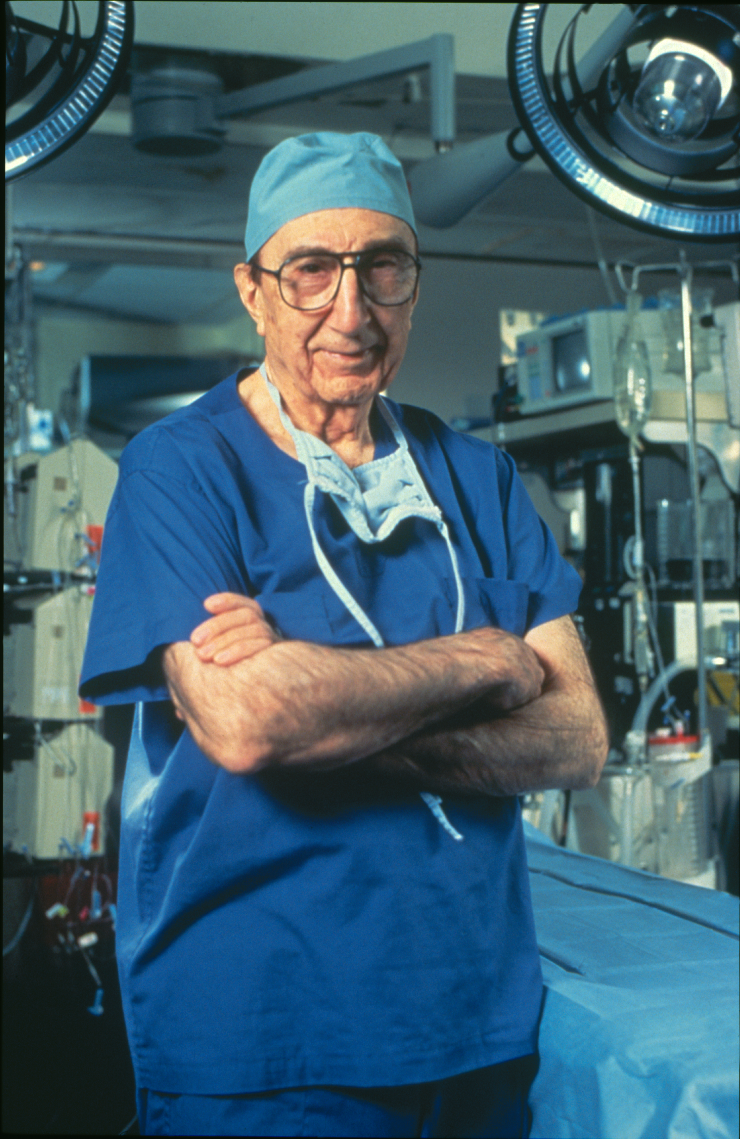
1948-1993 Michael E. DeBakey, M.D., chair
The Michael E. DeBakey Department of Surgery was named in 1999 to honor the great legacy of its iconic and longest-serving chair, Michael E. DeBakey, who led the Department from 1948 to 1993.
Dr. DeBakey and the surgeons he trained and recruited advanced the science of medicine, created innovative surgical instruments and techniques, and touched the lives of millions of people. A prolific physician and teacher, DeBakey performed more than 60,000 cardiovascular procedures and trained more than 1,000 surgeons who now practice throughout the world.
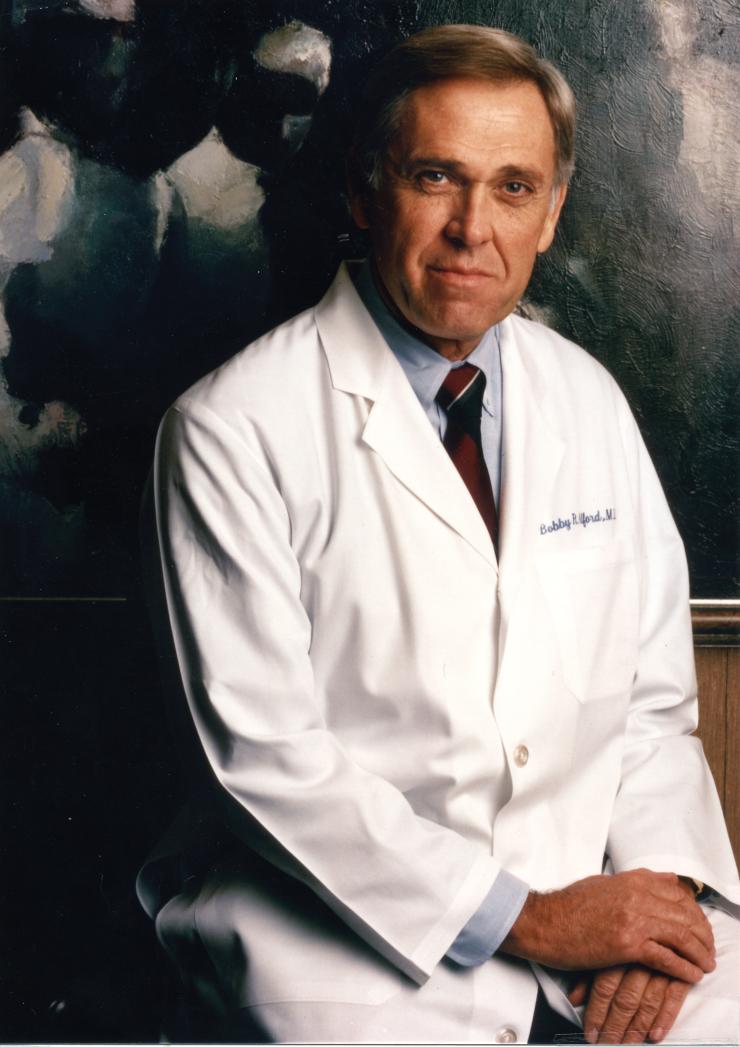
1993- 1994 Bobby R. Alford, M.D., interim chair
Dr. Bobby R. Alford is well known throughout Baylor College of Medicine and the Houston community as a dedicated physician, educator, and leader holding several leadership positions at Baylor, including chancellor, executive vice president and dean of medicine.
Alford spent almost his entire career at Baylor. He began as a medical student in 1952 and continued with a residency in otolaryngology. He then did a fellowship with a Houston surgeon, Dr. Frederick Guilford, and then an NIH fellowship at Johns Hopkins Medical School. He returned to Baylor in 1962 as an assistant professor; in 1965, became an associate professor; in 1966, a professor, and in 1967, chair of the Department of Otolaryngology. That Department now bears his name - Bobby R. Alford Department of Otolaryngology- Head and Neck Surgery.
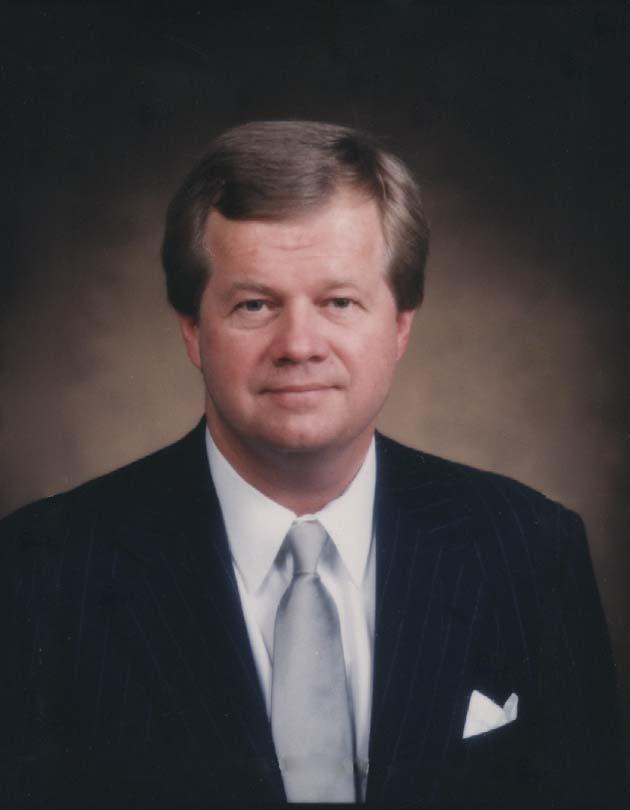
1994-1998 John Charles Baldwin M.D., Chair
Dr. John Charles Baldwin took his post as chair of the Department in 1994. While working at Methodist hospital, he and his team performed the first successful cardiac “auto-transplant” procedure—the removal of a young man’s entire heart, excision of the intra-cardiac tumor, and re-transplantation of the heart.
Dr. Baldwin was also a leader in healthcare policy on a national scale. In 2011, President Barack Obama appointed him to the U.S. Defense Health Board – a federal advisory committee responsible for overseeing military healthcare. He served on the board of the Robert F. Kennedy Foundation in defense of human rights throughout the world. The breadth of his experience resulted in his participation on directorial boards of numerous Fortune 500 companies. He was a member of the Harvard University Board of Overseers.
In the years following his time at Baylor College of Medicine, Dr. Baldwin became dean of Dartmouth Medical School, president, and CEO of the Immune Disease Institute at Harvard, and president of the Health Sciences Center at Texas Tech University.
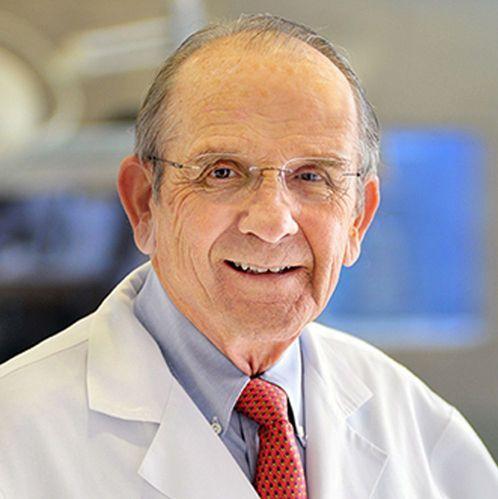
1998-1999 Charles H. McCollum M.D., interim chair
Dr. Charles H. McCollum joined the Department as a faculty member in 1966 and served as Interim Chair of the Department from 1998-1999. Dr. McCollum was also Interim Chief of both the Division of Vascular Surgery & Endovascular Therapy and the Division of Cardiothoracic Surgery and was Program Director of the General Surgery Residency for 23 years. Dr. McCollum’s research focuses on non-invasive studies for the diagnosis of peripheral vascular disease using ultrasound technology.
1999-2011 Charles Brunicardi M.D., chair
Dr. Brunicardi came to Houston in 1995 and joined the Baylor faculty as the George Jordan Professor. He also served as Chief of the Division of General Surgery from 1995 to 2004. In April 1999, Dr. Brunicardi was named DeBakey-Bard Professor and Chairman of the Michael E. DeBakey Department of Surgery.
Dr. Brunicardi was also consultant and attending surgeon at the St. Luke's Episcopal Hospital, the Michael E. DeBakey Veterans Affairs Medical Center, and Ben Taub Hospital. While at Baylor College of Medicine, Dr. Brunicardi's clinical and research interests include molecular engineering of islets for transplantation, breast cancer, pancreatic cancer, minimally invasive surgery, molecular surgery, and personalized genomics.
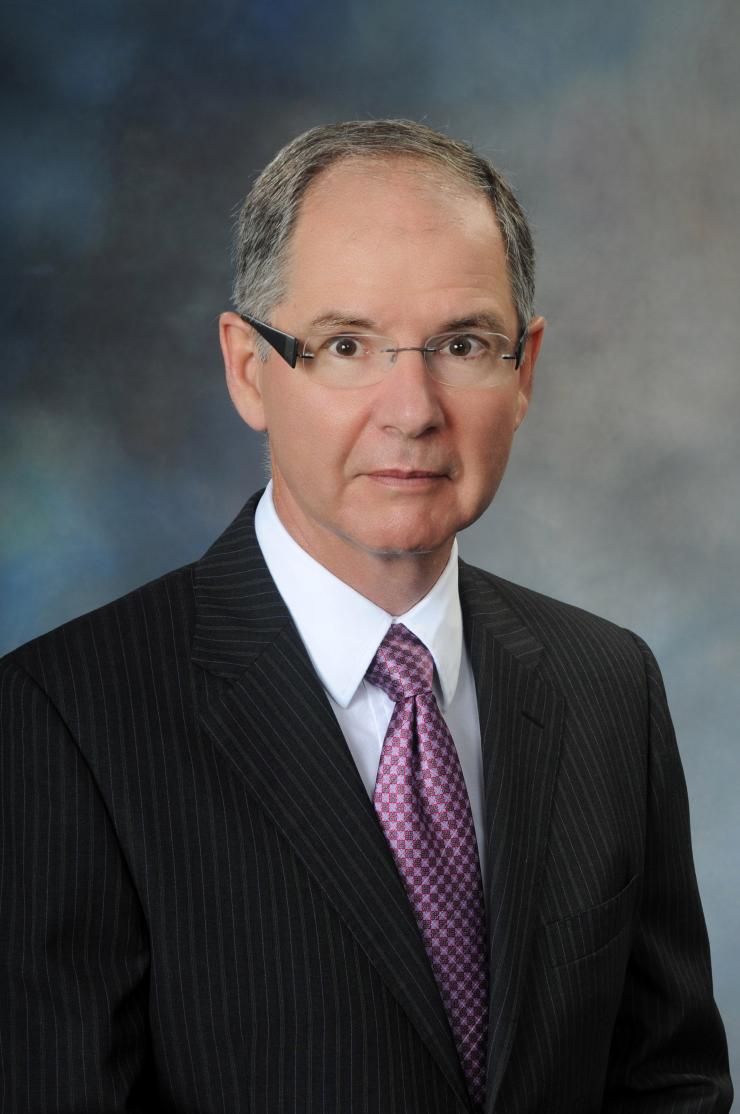
2011-2012 Dr. David E. Wesson M.D., interim chair
Dr. Wesson served as Interim Chair of the Michael E. DeBakey Department of Surgery from 2011-2012. Dr. Wesson is professor and director of Faculty Education and Development of the Division of Pediatric Surgery. He is also Associate Surgeon-in-Chief at Texas Children's Hospital and Chief of the Department of Surgery there. After earning his M.D. from the University of Toronto, Dr. Wesson completed his residency at the Hospital for Sick Children in Toronto. He then did a research fellowship at Harvard. Dr. Wesson's professional interests include pediatric trauma care, minimally invasive thoracic and abdominal surgery, inflammatory bowel disease, Hirschsprung's disease, biliary atresia, and thyroid diseases.
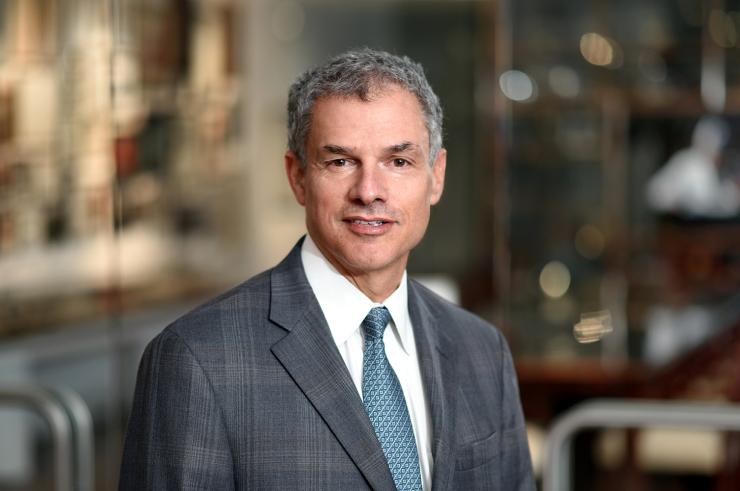
2012 - present, Todd K. Rosengart M.D., chair
Dr. Todd K. Rosengart is professor and current chair of the Michael E. DeBakey Department of Surgery at Baylor College of Medicine. He holds the DeBakey-Bard Chair of Surgery and is professor of heart and vascular disease at The Texas Heart Institute at Baylor College of Medicine. He is past president of the Society of Surgical Chairs, a member of the board of directors of the American Association for Thoracic Surgery, a member of the board of directors of Baylor St. Luke’s Medical Center, and chair of the board of governors of Baylor's Faculty Group Practice.