Home
  • Healthcare
    • Specialties
      • Cardiovascular Care
      • Oncology
      • Neurosurgery
      • Primary Care
      • View All Specialties >
    • For Health Professionals
      • Refer a Patient
      • Clinical Trials
      • Professional Development
      • View All >
    • For Patients & Visitors
      • MyChart Login
      • Accepted Insurance
      • Pay My Bill
      • Patient Information
      • View All >
    • Clinical Trials
      • Autism
      • Cancer
      • Obesity
      • Substance Abuse
      • View All Clinical Trials >
    • Find a Doctor
    • Make an Appointment

    General Inquiries

    Call today to schedule an appointment or fill out an online request form. If requested before 2 p.m. you will receive a response today.

    CALL

    713-798-1000

    Monday – Friday 8 a.m. – 5 p.m.


    ONLINE

    Request Now

    Request non-urgent appointments

    Request an appointment, learn about your rights as a patient, read about what to expect from your appointment, and more.

    As Houston's premier academic medical practice, Baylor Medicine delivers compassionate, innovative, evidence-based care.
    Find a Doctor

  • Education
    • Degree Programs & Admissions
      • M.D. Program
      • Ph.D. Programs
      • DNP Program (Nurse Anesthesia)
      • Genetic Counseling Program
      • P.A. Program
      • Orthotics & Prosthetics Program
      • Baccalaureate/M.D. Programs
      • Dual Degree Programs
      • View All Programs >
    • Financing Your Education
      • Tuition & Fees
      • Financial Aid
      • CARES ACT
    • Schools
      • School of Medicine
      • Graduate School of Biomedical Sciences
      • National School of Tropical Medicine
      • School of Health Professions
    • Advanced Training Programs
      • Residency Programs
      • Clinical Fellowships
      • Postdoctoral Research Positions
      • Continuing Professional Development
      • Diploma in Tropical Medicine
      • View All >
    • Resources
      • Departments
      • Academic Centers
      • Academic Calendars
      • Education Cores
      • View All >
    • Information For...
      • Students
      • Postdoctoral Researchers
      • Faculty
      • Alumni
    get-to-know-houston

    America's fourth-largest city is a great place to live, work, and play. Find out why.
    Get to Know Houston

  • Research
    • Research Offices
      • Advanced Technology Cores
      • Clinical Research
      • Institute for Clinical & Translational Research
      • Office of Research Leadership
      • Research IT
      • Sponsored Programs
    • Research at Baylor
      • Academic Centers
      • Departments
      • Faculty Labs
      • From the Labs
      • News
      • Our Research
      • Research Centers
      • Strategic Research Center
    • Additional Research Services
      • BCM Innovation Institute
      • Service Labs
      • VIICTR
    get-to-know-houston

    America's fourth-largest city is a great place to live, work, and play. Find out why.
    Get to Know Houston

  • Community
    • Healthcare Outreach
      • Community Programs
      • More >
    • Global Outreach
      • Global Health
      • Global Programs >
    • Educational Outreach
      • SMART Program
      • BioEd Online
      • More >
    • General Resources
      • Community Events
      • News
      • Blogs
      • Baylor in the Community
    get-to-know-houston

    America's fourth-largest city is a great place to live, work, and play. Find out why.
    Get to Know Houston

  • About
    • About Us
      • Academic Centers
      • Alumni
      • Careers
      • Departments
      • Giving
      • Leadership
      • Mission, Vision, Values
      • News
      • Our Affiliates
      • Fast Facts
      • Accreditation
    • Offices
      • President's Office
      • Office of Research
      • Ombuds Office
      • BCM Innovation Institute
      • View All >
    • Our Campus
      • Compliance
      • Safety and Security
      • Resource Stewardship & Sustainability
      • Team Shop
      • Find a Person
    get-to-know-houston

    America's fourth-largest city is a great place to live, work, and play. Find out why.
    Get to Know Houston

  • GIVE
  • CAREERS
  • INTRANET
  • Careers
  • Contact Us
  • News
Healthcare: Cancer Care
  • Specialties
  • Find a Physician
  • For Patients
  • For Physicians
  • Clinical Trials
  • Request an Appointment
  • MyChart
  • News
  • Specialties
  • Find a Physician
  • For Patients
  • For Physicians
  • Clinical Trials
  • Request an Appointment
  • MyChart
  • News
  1. Baylor College of Medicine
  2. Healthcare
  3. Specialties
  4. Oncology
  5. Cancer Types
  6. Esophageal Cancer
  • Cancer Types
    • Brain and Spine Cancer
      • Meet Our Team
    • Bone Soft Tissue Sarcomas
    • Breast Cancer
      • About Breast Cancer
      • Types of Breast Cancer
      • Breast Cancer Screening
        • Early Detection, Same-Day Testing
        • Information Tumor
        • Understanding Laboratory Results
      • Breast Cancer Treatment Options
        • Ductal Carcinoma In Situ
        • Follow Up Care After Treatment
      • Breast Cancer Surgery
        • Lumpectomy
        • Lymph Node Surgery
        • Lymphedema Surgery
        • Mastectomy
        • Nipple and Skin Sparing Mastectomy
      • Genetic Evaluation
      • For Patients
        • Volunteer
        • Breast Cancer Facts vs. Myths
        • Breast Cancer Information
        • Chances Breast Cancer Recurrence
        • Exercise Breast Cancer
        • Fact Sheets
        • Nutrition Recommendations
        • Surgery Information
      • Meet Our Team
    • Gastrointestinal Cancers
      • Anal Cancer
      • Bile Duct and Gallbladder Cancer
        • About Gallbladder Cancer
        • About Bile Duct Cancer
        • Meet Our Team
      • Colorectal Cancer
        • About Colorectal Cancer
        • Colon and Rectal Surgery
          • Recurrent and Re-operative Colon Surgery
          • Transanal Total Mesorectal Excision (taTME)
        • Colorectal Cancer Screening
        • Meet Our Team
      • Esophageal Cancer
        • Meet Our Team
      • Pancreatic Cancer
        • About Pancreatic Cancer
        • Cystic Neoplasms of the Pancreas
        • Palliative Care
        • Physician Referral
        • Surgery for Pancreatic Cancer
          • Distal Pancreatectomy and Splenectomy
          • Robotic and Laparoscopic Pancreatic Surgery
          • Whipple Procedure
        • For Patients
        • Meet Our Team
      • Peritoneal Cancer
        • Meet Our Team
      • Stomach Cancer
      • Meet Our Team
    • Gynecologic Cancers
      • Cervical Cancer
        • About Cervical Cancer
        • Cervical Cancer Screening
      • Ovarian Cancer
        • About Ovarian Cancer
      • Uterine or Endometrial Cancer
        • About Uterine Cancer
      • Vaginal Cancer
        • About Vaginal Cancer
      • Vulvar Cancer
        • About Vulvar Cancer
      • Hereditary Uterine and Ovarian Cancer Program
      • Meet Our Team
    • Head & Neck Cancers
      • Endoscopy
      • For Patients
      • HPV-Related Throat Cancer
      • Head & Neck Squamous Cell Carcinoma
      • Immunotherapy
      • Intensity Modulated Radiation Therapy (IMRT)
      • Laryngeal Cancer
      • Minimally Invasive/Robot Assisted Surgery
      • Reconstructive Surgery
      • Recurrent Head & Neck Cancer
      • Skull Base Surgery
      • Stereotactic Body Radiotherapy (SBRT)
      • Meet Our Team
    • Leukemia
    • Lymphoma
    • Liver Cancer
      • Liver Resection
      • Microwave Ablation
      • Meet Our Team
    • Lung Cancer
      • Mesothelioma
        • Meet Our Team
      • Meet Our Team
    • Multiple Myeloma
    • Prostate Cancer
      • Prostate Cancer Diagnosis
      • Prostate Cancer FAQs
    • Skin Cancers
      • Mohs Micrographic Surgery for Skin Cancer
      • Melanoma Treatment
      • Sentinel Lymph Node Biopsy for Skin Cancer
      • Wide Local Excision
      • Meet Our Team
    • Thyroid Cancer
      • Anaplastic Thyroid Cancer
      • Differentiated Thyroid Cancer
      • Poorly Differentiated Thyroid Cancer
    • Urologic Cancers
      • Bladder Cancer
        • Bladder Cancer Procedures
      • Kidney Cancer
      • Penile Cancer
      • Testicular Cancer
      • Urethral Cancer
      • Procedures
        • Brachytherapy
        • Cryoablation
        • Digital Rectal Examination
        • Hormone Therapy
        • PSA Test
        • Prostate Cancer Prediction
        • Tumor Marker Measurements
      • Meet Our Team
  • Cancer Treatment
    • Chemotherapy
      • Supportive Therapies
      • Chemoperfusion
      • Chemotherapy Hormonal Therapy
      • Chemotherapy Medication
      • Endocrine Therapy
      • Infusion Center
    • HIPEC
    • Immunotherapy
    • Radiation Oncology
      • For Patients
      • Meet Our Team
    • Cancer Surgery
      • Meet Our Team
  • Genetic Counseling
  • Pediatric Cancer Services
  • For Patients
    • Health Web
    • Healthy Lifestyle Resources
  • For Physicians
    • Molecular Tumor Board

Esophageal Cancer

Esophageal Cancer

Scott Holmes
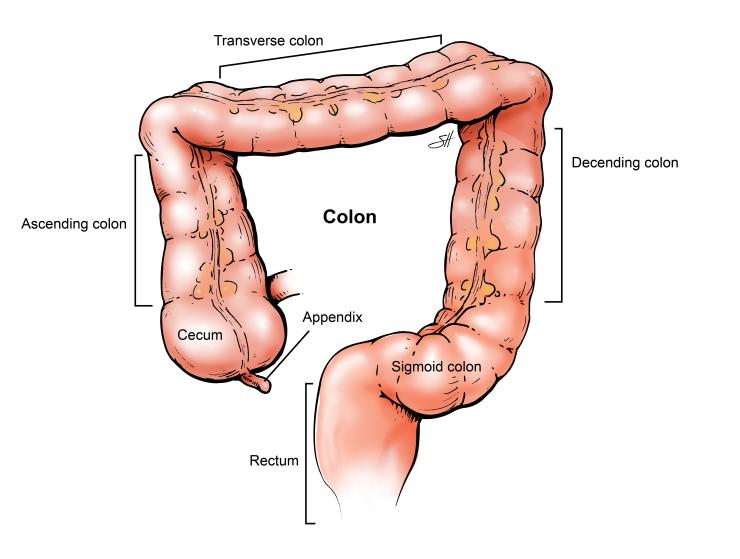
an illustration of the anatomy of a colon

Driven by obesity (which leads to GERD) and a decrease in the occurrence of a stomach infection (H. pylori) that reduced the acidity of stomach juice, esophageal cancer has become the fastest rising cancer in Caucasian men in the United States. The experts at the Baylor St. Luke's Medical Center Dan L. Duncan Comprehensive Cancer Center specialize in the prevention, diagnosis and treatment of esophageal cancer. The Esophageal Cancer Center offers a comprehensive array of services that are tailored to address your (or your loved one’s) individual needs. Our internationally recognized gastroenterologists, medical oncologists, radiation oncologists, thoracic surgeons, radiologists and nurses will guide you every step of the way from diagnosis through discussions of tailored treatment options for you. If you have questions or want to make an appointment, call (713) 798-2262.

Request an appointment

What You Need to Know

The esophagus is a muscular tube that moves food and liquids from your mouth to your stomach. In esophageal cancer, cancer starts on the inner lining of the esophagus and spreads outwards through the muscular layers of the esophagus. The most common types of esophageal cancer are squamous cell carcinoma and adenocarcinoma.

Risk Factors and Symptoms for Esophageal Cancer

The American Cancer Society’s estimates about 22,070 new esophageal cancer cases will be diagnosed in 2025.

Obesity, chronic GERD, Barrett’s esophagus, smoking, heavy alcohol use, and certain esophageal conditions (achalasia) increase the risk of esophageal cancer. Talk with your doctor if you think you may be at risk or if you recognize any signs and symptoms of esophageal cancer, which includes feeling like food is sticking in your chest, weight loss, chest pain, and worsening heartburn.

Preventative steps can help you avoid esophageal cancer. These include eating a healthy diet, maintaining a healthy weight and limiting smoking and alcohol use. It is important to be aware of risk factors that can increase your chances of getting esophageal cancer, which include:

  • Gastroesophageal reflux disease (acid reflux)
  • Barrett's esophagus
  • Obesity
  • Achalasia (condition where the muscle at the lower end of the esophagus does not relax properly)
  • Alcohol use
  • Tobacco use
  • Plummer-Vinson syndrome
  • Workplace exposures
  • Burns to the esophagus
  • History of other cancers
  • HPV (human papilloma virus)

Be on the lookout for any of the following, especially if you are in a high risk group:

  • Food sticking when you swallow
  • Chest pain
  • Weight loss
  • Chronic cough and hoarseness
  • Vomiting
  • Hiccups
  • Pneumonia
  • Bone pain
  • Bleeding into the esophagus

Diagnostic Techniques

Currently, there are no blood tests to diagnose esophageal cancer. While imaging studies, such as a barium esophagram or CT scan may show an abnormality, the diagnosis of esophageal cancer requires an endoscopy and biopsy. If cancer is detected, additional tests are needed to determine the extent of spread, called clinical staging.

Tests and procedures for the diagnosis and evaluation of esophageal cancer include an endoscopic exam and imaging tests (CT and/or PET scans).

Endoscopy (a flexible esophagogastroduodenoscopy or EGD) is essential for the evaluation of esophageal cancer. During an endoscopy, you doctor passes a flexible, narrow tube equipped with a small video lens down your throat and into your esophagus while you are sedated. This procedure is essential for allowing your physicians to understand how much of your esophagus (and possibly stomach) are involved with cancer and to biopsy areas of concern. Especially for smaller, early-stage cancers, your doctors may also recommend an endoscopic ultrasound (EUS) to examine how deep the cancer spreads into the wall of the esophagus and whether there are abnormal appearing lymph nodes.

Currently in the United States, esophageal cancer screening (finding cancer before symptoms develop) for the general public is not recommended. However, people who a have high risk of esophageal cancer may be considered for an endoscopic screening exam.

If cancer is seen on a biopsy, additional imaging studies (a CT scan or PET scan) or minor procedures (EUS and/or staging laparoscopy) are needed. These studies called clinical staging help your doctors understand the extent of cancer spread, establish the cancer stage (I, II, III or IV), and allow them to establish a personalized treatment plan.

Staging for Esophageal Cancer

As is the case for all other cancers, treatment of, and survival from esophageal cancer depends on its stage. Cancer staging depends on information about the:

  • Tumor (T stage)
  • Lymph nodes (N stage)
  • Spread to the rest of your body (M stage)
  • These 3 pieces of information are combined to give a cancer stage (I through IV).

In order to provide you with the best treatment possible, staging must be as accurate as possible. Staging may include a combination of imaging studies and minor procedures, depending on your potential treatment plan.

  • Computed tomography (CT) or positron emission tomography (PET)/CT
  • Endoscopic ultrasound (EUS)
  • Diagnostic laparoscopy

These methods complement each other. Together, they provide the most current accurate assessment of the stage of your cancer and help us individualize your treatment.

A staging procedure includes multiple small procedures. To provide you with efficient care, all the procedures are performed on the same day during one anesthesia setting while you are asleep.
These procedures include:

  • Bronchoscopy
  • Esophagogastroduodenoscopy (EGD)
  • Staging laparoscopy with or without jejunostomy feeding tube placement
  • Long-term access port placement

A staging laparoscopy procedure allows us to examine the tumor closely. We will make four or five small incisions in your abdomen and fill it with carbon dioxide to push the abdominal wall away from the organs so that the surgeon can see them clearly and examine the tumor.

First, we will determine whether the tumor has spread beyond the tissues that we can remove during an esophagectomy, such as those from the liver, the inner lining of the abdomen (the peritoneum), or the fatty apron of tissue that drapes off the lower edge of your stomach (the omentum). We will also look for cancerous fluid inside the abdomen (malignant ascites). Patients with cancer that has spread to these areas are usually not candidates for an esophagectomy. These cancers are better treated with chemotherapy. During this inspection, we will occasionally find evidence of cancer spreading that was missed with a PET/CT.

Second, we will look for involvement of the tumor with surrounding structures and for large, bulky lymph nodes. Finally, we will look at the surface of the stomach to determine whether or not the stomach can be used to make a new esophagus. This will be necessary if you undergo an esophagectomy. Depending on what we see, we may or may not perform biopsies.

Customized Treatment Plans for Esophageal Cancer

Cancers of the esophagus are uniquely challenging to treat, for two important reasons. First, esophageal cancers are relatively uncommon in the United States, and many clinicians will not have experience treating individuals with these tumors with the same frequency as they do other tumor types. Second, treatment of these cancers require a complex coordination of care between four different doctors: a thoracic surgeon, gastroenterologist, radiation oncologist, and medical oncologist.

The esophageal cancer group at the NCI-Designated Dan L Duncan Comprehensive Cancer Center has put together a focused team of specialists who provide coordinated, innovative services for prevention, detection, and treatment for esophageal cancer. Members of the Esophageal Cancer Center work in concert to create an individualized treatment plan upfront, so that the right combination and sequence of therapies can be recommended to ensure the best possible outcome for you, the patient.

Treatment may include a combination of chemotherapy, targeted therapy, immunotherapy, radiation therapy, surgery and/or endoscopic removal.

Patients also have access to National Cancer Institute-sponsored esophageal cancer clinical trials.

Treatment options depend on the following:

  • The patient’s general health
  • The stage of the cancer (whether it affects part of the esophagus, involves the whole esophagus, or has spread to other places in the body)
  • Whether the tumor can be completely removed by surgery

Procedures for the evaluation of esophageal cancer include:

  • Esophagogastroduodenoscopy (EGD)
  • Endoscopic ultrasound
  • Staging laparoscopy

Supportive procedures may include

  • Jejunostomy feeding tube
  • Long-term access port placement
  • Palliation of malignant strictures

Treatment procedures may include:

  • Endoscopic management of Barrett’s esophagus and early-stage esophageal cancer
  • Esophagectomy
  • Minimally invasive esophagectomy
Dan L Duncan Comprehensive Cancer Center
1919 Old Spanish Trail Houston, TX 77054
832–957–6500
View Location
  • Cancer Types
    • Brain and Spine Cancer
      • Meet Our Team
    • Bone Soft Tissue Sarcomas
    • Breast Cancer
      • About Breast Cancer
      • Types of Breast Cancer
      • Breast Cancer Screening
        • Early Detection, Same-Day Testing
        • Information Tumor
        • Understanding Laboratory Results
      • Breast Cancer Treatment Options
        • Ductal Carcinoma In Situ
        • Follow Up Care After Treatment
      • Breast Cancer Surgery
        • Lumpectomy
        • Lymph Node Surgery
        • Lymphedema Surgery
        • Mastectomy
        • Nipple and Skin Sparing Mastectomy
      • Genetic Evaluation
      • For Patients
        • Volunteer
        • Breast Cancer Facts vs. Myths
        • Breast Cancer Information
        • Chances Breast Cancer Recurrence
        • Exercise Breast Cancer
        • Fact Sheets
        • Nutrition Recommendations
        • Surgery Information
      • Meet Our Team
    • Gastrointestinal Cancers
      • Anal Cancer
      • Bile Duct and Gallbladder Cancer
        • About Gallbladder Cancer
        • About Bile Duct Cancer
        • Meet Our Team
      • Colorectal Cancer
        • About Colorectal Cancer
        • Colon and Rectal Surgery
          • Recurrent and Re-operative Colon Surgery
          • Transanal Total Mesorectal Excision (taTME)
        • Colorectal Cancer Screening
        • Meet Our Team
      • Esophageal Cancer
        • Meet Our Team
      • Pancreatic Cancer
        • About Pancreatic Cancer
        • Cystic Neoplasms of the Pancreas
        • Palliative Care
        • Physician Referral
        • Surgery for Pancreatic Cancer
          • Distal Pancreatectomy and Splenectomy
          • Robotic and Laparoscopic Pancreatic Surgery
          • Whipple Procedure
        • For Patients
        • Meet Our Team
      • Peritoneal Cancer
        • Meet Our Team
      • Stomach Cancer
      • Meet Our Team
    • Gynecologic Cancers
      • Cervical Cancer
        • About Cervical Cancer
        • Cervical Cancer Screening
      • Ovarian Cancer
        • About Ovarian Cancer
      • Uterine or Endometrial Cancer
        • About Uterine Cancer
      • Vaginal Cancer
        • About Vaginal Cancer
      • Vulvar Cancer
        • About Vulvar Cancer
      • Hereditary Uterine and Ovarian Cancer Program
      • Meet Our Team
    • Head & Neck Cancers
      • Endoscopy
      • For Patients
      • HPV-Related Throat Cancer
      • Head & Neck Squamous Cell Carcinoma
      • Immunotherapy
      • Intensity Modulated Radiation Therapy (IMRT)
      • Laryngeal Cancer
      • Minimally Invasive/Robot Assisted Surgery
      • Reconstructive Surgery
      • Recurrent Head & Neck Cancer
      • Skull Base Surgery
      • Stereotactic Body Radiotherapy (SBRT)
      • Meet Our Team
    • Leukemia
    • Lymphoma
    • Liver Cancer
      • Liver Resection
      • Microwave Ablation
      • Meet Our Team
    • Lung Cancer
      • Mesothelioma
        • Meet Our Team
      • Meet Our Team
    • Multiple Myeloma
    • Prostate Cancer
      • Prostate Cancer Diagnosis
      • Prostate Cancer FAQs
    • Skin Cancers
      • Mohs Micrographic Surgery for Skin Cancer
      • Melanoma Treatment
      • Sentinel Lymph Node Biopsy for Skin Cancer
      • Wide Local Excision
      • Meet Our Team
    • Thyroid Cancer
      • Anaplastic Thyroid Cancer
      • Differentiated Thyroid Cancer
      • Poorly Differentiated Thyroid Cancer
    • Urologic Cancers
      • Bladder Cancer
        • Bladder Cancer Procedures
      • Kidney Cancer
      • Penile Cancer
      • Testicular Cancer
      • Urethral Cancer
      • Procedures
        • Brachytherapy
        • Cryoablation
        • Digital Rectal Examination
        • Hormone Therapy
        • PSA Test
        • Prostate Cancer Prediction
        • Tumor Marker Measurements
      • Meet Our Team
  • Cancer Treatment
    • Chemotherapy
      • Supportive Therapies
      • Chemoperfusion
      • Chemotherapy Hormonal Therapy
      • Chemotherapy Medication
      • Endocrine Therapy
      • Infusion Center
    • HIPEC
    • Immunotherapy
    • Radiation Oncology
      • For Patients
      • Meet Our Team
    • Cancer Surgery
      • Meet Our Team
  • Genetic Counseling
  • Pediatric Cancer Services
  • For Patients
    • Health Web
    • Healthy Lifestyle Resources
  • For Physicians
    • Molecular Tumor Board

Make an Appointment

Call today to schedule an appointment or fill out an online request form. If requested before 2 p.m. you will receive a response today.

Call 832–957–6500 Monday - Friday 8 a.m. - 5 p.m.

ONLINE

Request Now

Request non-urgent appointments

Find a Physician

Patient Education

  • Esophageal Cancer

Related Links

Barrett's Esophagus Center
Clinical Trials

Clinical Trials

Baylor College of Medicine conducts clinical trials that give participants access to the latest, most comprehensive diagnostic and treatment options available. See clinical trials for esophageal cancer.

Learn More

Follow Us facebook twitter youtube linkedin instagram rss 

Footer Menu Healthcare

  • Healthcare
    • Specialties
    • MyChart Login
    • For Patients & Visitors
    • For Health Professionals
    • Clinical Trials
    • Find a Physician

Footer Menu Education

  • Education
    • Programs & Admissions
    • Student & Trainee Resources
    • Faculty Resources
    • School of Medicine
    • Graduate School of Biomedical Sciences
    • National School of Tropical Medicine
    • School of Health Professions
    • Tuition & Fees
    • Financial Aid

Footer Menu Research

  • Research
    • Our Research
    • Core Labs
    • Faculty Labs
    • Research Centers
    • Research Offices

Footer Menu Community

  • Community
    • Healthcare Outreach
    • Education Outreach
    • Global Programs
    • Community Events

Footer Menu About

  • About
    • Our Campus
    • Departments
    • Academic Centers
    • Administrative Offices
    • Affiliates
    • Leadership
    • Giving
    • Alumni

Footer Menu Resource Links

  • Resource Links
    • Contact Us
    • Find a Person
    • Careers
    • BCM Team Shop
    • News
    • Title IX Office
    • Compliance
    • Covid Response Site

©1998-2026 Baylor College of Medicine® | 1 Baylor Plaza, Houston, Texas 77030 | 713-798-4951
Have an edit or suggestion for this page?

  • Compliance
  • Privacy
  • Intranet