
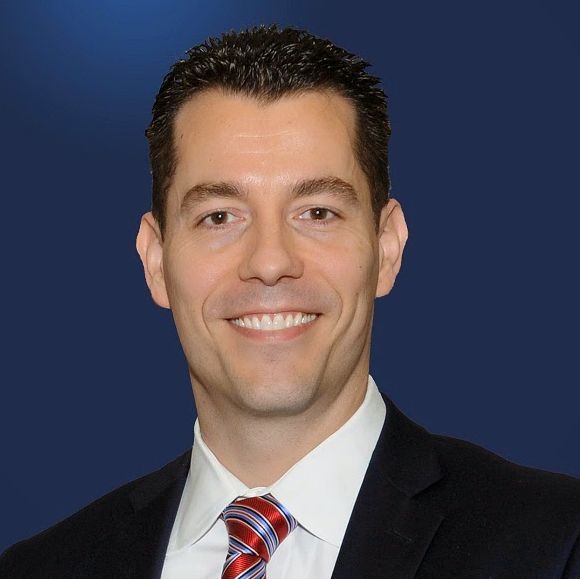
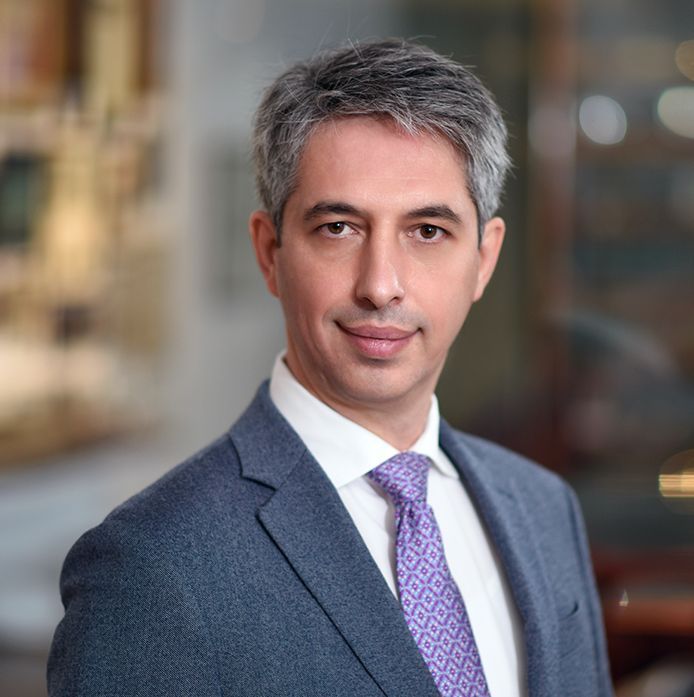
Theme Leaders
Current Clinical Project(s)
Members of CVRI Theme ‘Arrhythmias & Channelopathies’ are involved in various translational and clinical research projects in cardiac electrophysiology. Specific areas of interest include the genetics, mechanisms, and new treatment modalities for atrial fibrillation, arrhythmogenic cardiomyopathies, inherited arrhythmia syndromes, sudden unexplained death in epilepsy (SUDEP), and novel genetic disorders associated with arrhythmias and/or sudden cardiac death. Dr. Chelu is leading a national PCORI focused on cardiac resynchronization therapy using His/left bundle pacing in patients with heart failure. Our investigators are well-funded and published publications with a major impact on the field of cardiac electrophysiology. Finally, the CVRI has established new training opportunities for cardiology and pediatric cardiology fellows to participate in clinical and basic electrophysiology research at Baylor College of Medicine and its affiliate hospitals.
Drs. Jeffrey Kim, Santiago Valdes, Christina Miyake and Caridad de la Uz comprise the team of pediatric electrophysiologists at Texas Children’s Hospital who are involved in a variety of clinical projects that encompass broad aspects of pediatric electrophysiology. The group has been studying the efficacy and use of antiarrhythmic medications, including 1) digoxin and beta-blockers in supraventricular tachycardia, 2) flecainide in congenital heart disease, 3) use of sotalol in children, and 4) resuscitation medications during cardiac arrest. They are actively studying the use of implantable cardioverter defibrillators (ICDs) in children with congenital heart disease and arrhythmias in heterotaxy syndrome and congenital complete AV block. Lastly, the group is working as a team with Dr. Seema Lalani (Genetics), Dr. Yuxin Fan (Welsh Laboratory), and Dr. Xander Wehrens to study the genetic basis of several disorders, including Wolff-Parkinson-White Syndrome, catecholaminergic polymorphic ventricular tachycardia, long QT syndrome, and left ventricular non-compaction. Click here for more information on the pediatric electrophysiology program.
Current Basic Research Project(s)
Numerous basic research projects in cardiac electrophysiology and ion channel research synergize with our clinical and translational research projects. Specific projects include studies on the mechanistic basis of atrial fibrillation, inherited arrhythmia syndromes, arrhythmias associated with structural heart disease and neurological disorders, and basic ion channel research.
Cardiac arrhythmia mechanisms are studied in tissue samples and cardiac myocytes isolated from patients and large animal models. Moreover, genetic mouse models are used to study arrhythmias at the whole animal level, in isolated hearts using optical fluorescence mapping, in single cardiac myocytes and monolayers, and at the single channel level. These model systems are used to answer basic mechanistic and therapeutic questions relevant to clinic electrophysiology. For example, recent studies have demonstrated the importance of abnormal calcium cycling in the pathogenesis of atrial fibrillation initiation and progression. Novel molecular pathways involved in atrial identify development were discovered and linked to arrhythmia mechanisms. In addition, ongoing programs focus on the identification of new arrhythmia pathways associated with myotonic dystrophy, muscular dystrophy, Rett syndrome, and epilepsy.
Several CVRI investigators (led by Dr. Noebels) are part of a national network focused on sudden unexpected death in epilepsy, and their labs focus on the complex interplay between neuronal regulation and cardiac electrophysiology. Moreover, several labs pursue active research programs on the development of novel ion channel-modifying agents and anti-arrhythmic drugs. Finally, the CVRI has established new training opportunities for cardiology and pediatric cardiology fellows to participate in (basic) electrophysiology research at Baylor College of Medicine.
Clinical Faculty (adult electrophysiology; with their primary research interest)
Mihail Chelu, M.D., Ph.D. – Conduction system pacing; translational electrophysiology research
Irakli Giorgberidze, M.D. – Alcohol ablation of atrial fibrillation
Mehdi Razavi, M.D. – New technologies for arrhythmia treatment
Francia Rojas-Delgado, M.D. – Clinical research on devices and catheter ablation
Clinical Faculty (pediatric electrophysiology; with their primary research interest)
Bryan Cannon, M.D. – Clinical electrophysiology research
Srikant Das, M.D. – Adult congenital electrophysiology
Taylor S. Howard, M.D. – Implantable electronic devices
Jeffrey J. Kim, M.D. – Molecular basis of arrhythmias and cardiomyopathies
Wilson W. Lam, M.D. – Clinical outcomes of complex congenital heart diseases associated with arrhythmias
Christina Miyake, M.S., M.D. – Genetics of inherited cardiac arrhythmia syndromes, TANGO2 syndrome
Tam Dan “Tina” Pham, M.D. – Exercise physiology and cardiopulmonary stress testing
Santiago O. Valdes, M.D. – Anti-arrhythmic drugs during pediatric resuscitation
Basic/Translational Research Faculty (with their primary research interest)
Anne Anderson, M.D. - Cellular mechanisms of epileptogenesis and channelopathies
Michael Bround, Ph.D. – Mitochondrial calcium handling and cardiac disease
Thomas Cooper, M.D. - Alternative splicing in cardiac development, cardiomyopathy and arrhythmias
Yuxin Fan, M.D., Ph.D. - Diagnostic tests for acquired and genetic cardiac diseases, viral myocarditis
Alicia Goldman, M.D., Ph.D. - Genetic basis of epilepsy and channelopathies, SUDEP
Susan Hamilton, Ph.D. - Calcium handling, metabolic regulation ion channels
Frank Horrigan, Ph.D. - Mechanisms of ion channel gating, Ca-activated K channels
Mohit Hulsurkar, Ph.D. – GPCR signaling in atrial fibrillation, cardio-oncology research
Kathryn Jones, DVM, Ph.D. - Chagas disease, vaccine development, animal models of heart disease
Jason Karch, Ph.D. – Mechanisms of cell death and heart disease
William R. Lagor, Ph.D. – Gene therapy vector development for cardiovascular diseases
Satadru K. Lahiri, Ph.D. – Inherited cardiomyopathies, metabolism
Seema Lalani, M.D. - CHARGE syndrome, genetics of cardiovascular malformations
Na Li, Ph.D. - Atrial fibrillation mechanisms, inflammasome signaling
James Martin, M.D., Ph.D. – Genomics of atrial fibrillation, cardiac regeneration
J. Alberto Navarro-Garcia, Ph.D. – Arrhythmias associated with chronic kidney disease
Jeff Noebels, M.D. - Sudden unexpected death in epilepsy, channelopathies
George Rodney, Ph.D. – Real time imaging of ROS and calcium signaling in (cardio)myopathies
Sandhya Thomas, M.D. – Kidney disease-associated cardiac remodeling and arrhythmias
Xander Wehrens, M.D., Ph.D. – Atrial fibrillation, calcium handling, CPVT, paracrine signaling
Lilei Zhang, M.D., Ph.D. - Inherited arrhythmias, cardiomyopathies, congenital heart disease, heart failure, circadian rhythm, iPSC-cardiomyocytes and organoids