
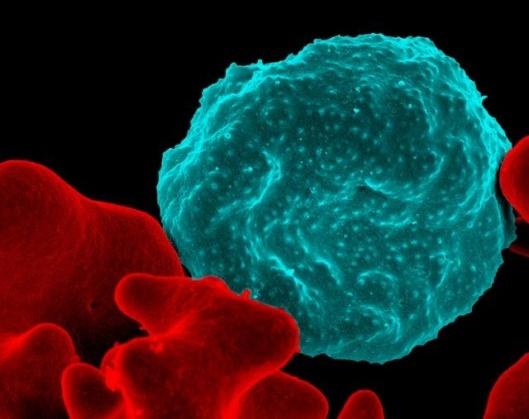
Infectious diseases are disorders that are caused by organisms, usually microscopic in size, such as bacteria, viruses, fungi, or parasites that are passed, directly or indirectly, from one person to another. Humans can also become infected following exposure to an infected animal that harbors a pathogenic organism that is capable of infecting humans.
Infectious diseases are a leading cause of death worldwide, particularly in low-income countries, especially in young children.
In 2019, two infectious diseases - lower respiratory infections and diarrheal diseases - were ranked in the top ten causes of death worldwide by the World Health Organization (WHO). Both of these diseases can be caused by a variety of infectious agents.
Deaths from the infectious diseases HIV/AIDS and tuberculosis have fallen significantly in recent years, and they no longer appear on the list of top ten causes of death globally. However, these diseases are still a leading cause of death in low-income countries. Malaria is another infectious disease that is a top cause of death in low-income countries. These three diseases are due to single infectious agents.
A newly emerged infectious disease, COVID-19, caused by the virus SARS-CoV-2, became a top cause of death in 2020. According to data analyzed by the Centers for Disease Control and Prevention (CDC), COVID-19 was listed as the third leading cause of death during 2020 in the United States, behind heart disease and cancer.
The Top Ten Leading Causes of Death | |||
| Rank | Worldwide | Low-Income Countries | High-Income Countries |
| 1 | Heart disease | Neonatal conditions | Heart disease |
| 2 | Stroke | Lower respiratory infections | Alzheimer's disease |
| 3 | Chronic obstructive pulmonary disease | Heart disease | Stroke |
| 4 | Lower respiratory Infections | Stroke | Lung cancers |
| 5 | Neonatal conditions | Diarrheal diseases | Chronic obstructive pulmonary disease |
| 6 | Lung cancers | Malaria | Lower respiratory infections |
| 7 | Alzheimer's disease | Road injury | Colon cancers |
| 8 | Diarrheal diseases | Tuberculosis | Kidney diseases |
| 9 | Diabetes | HIV/AIDS | Hypertensive heart disease |
| 10 | Kidney diseases | Cirrhosis of the liver | Diabetes |
Source; WHO
Agents that Cause Infectious Diseases
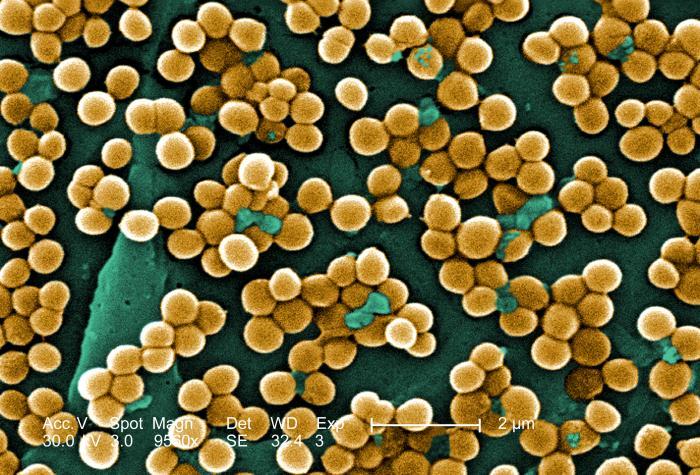
Infectious diseases can be caused by several different classes of pathogenic organisms (commonly called germs). These are viruses, bacteria, protozoa, and fungi. Almost all of these organisms are microscopic in size and are often referred to as microbes or microorganisms.
Although microbes can be agents of infection, most microbes do not cause disease in humans. In fact, humans are inhabited by a collection of microbes, known as the microbiome, that plays important and beneficial roles in our bodies.
The majority of agents that cause disease in humans are viruses or bacteria, although the parasite that causes malaria is a notable example of a protozoan.
Examples of diseases caused by viruses are COVID-19, influenza, HIV/AIDS, Ebola, diarrheal diseases, hepatitis, and West Nile. Diseases caused by bacteria include anthrax, tuberculosis, salmonella, and respiratory and diarrheal diseases.
Transmission of Infectious Diseases
There are a number of different routes by which a person can become infected with an infectious agent. For some agents, humans must come in direct contact with a source of infection, such as contaminated food, water, fecal material, body fluids or animal products. With other agents, infection can be transmitted through the air.
The route of transmission of infectious agents is clearly an important factor in how quickly an infectious agent can spread through a population. An agent that can spread through the air has greater potential for infecting a larger number of individuals than an agent that is spread through direct contact.
Another important factor in transmission is the survival time of the infectious agent in the environment. An agent that survives only a few seconds between hosts will not be able to infect as many people as an agent that can survive in the environment for hours, days, or even longer. These factors are important considerations when evaluating the risks of potential bioterrorism agents.
Impact of Infectious Diseases on Society
Infectious diseases have plagued humans throughout history, and in fact have even shaped history on some occasions. The plagues of biblical times, the Black Death of the Middle Ages, and the “Spanish flu” pandemic of 1918 are but a few examples. The 1918 flu pandemic killed more than a half million people in the United States and up to 50 million people worldwide and is thought to have played a contributing role in ending World War I.
Epidemics and pandemics have always had major social and economic impacts on affected populations, but in our current interconnected world, the impacts are truly global. This has been clearly demonstrated by the COVID-19 pandemic that began in 2020. Infections in one region can easily spread to another. Until the virus can be contained globally, a surge in cases in one area can cause a resurgence of cases in other areas around the world.
Coronaviruses
Consider the SARS outbreak of early 2003. This epidemic demonstrated that new infectious diseases are just a plane trip away. The virus, SARS-CoV, which caused a severe, and sometimes fatal, respiratory illness emerged in China. Air travelers rapidly spread the disease to Canada, the United States, and Europe. Even though the SARS outbreak was relatively short-lived and geographically contained, the economic loss to Asian countries was estimated at $18 billion as fear inspired by the epidemic led to travel restrictions and the closing of schools, stores, factories, and airports.
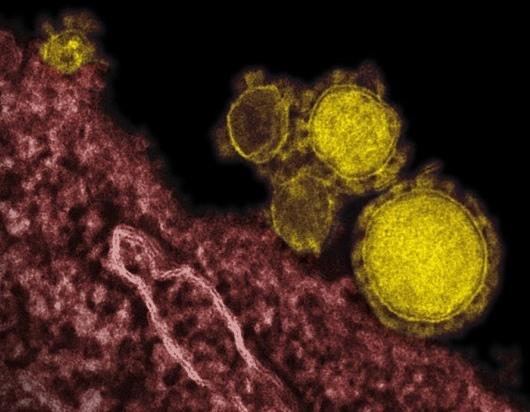
About a decade later, a new SARS-like virus emerged in Saudi Arabia. Named MERS-CoV, the virus causes Middle East respiratory syndrome, or MERS, a severe and often fatal respiratory disease. Infection occurs through direct contact with an infected animal (camel) or person. Even though MERS did not spread easily from person to person, the virus spread to 27 countries in the Middle East, Europe, Asia, and North America, including the United States.
The most recent coronavirus to emerge is named SARS-CoV-2. It causes the disease known as COVID-19. The effects of COVID-19 pandemic have been felt around the worldwide, with schools and businesses closing, travel restricted, and in some cases even limitations on people leaving their homes. The pandemic has caused major economic hardships, stressed healthcare systems, and impacted mental health. Disagreements within and between countries have arisen in how to respond to the crisis and how to allocate scarce supplies of drugs and vaccines.
HIV/AIDS
The HIV/AIDS epidemic, particularly in sub-Saharan Africa, illustrates the economic and social impacts of a prolonged and widespread infection. The disproportionate loss of the most economically-productive individuals has reduced workforces and economic growth rates of affected countries, especially those with high infection rates. This impacts the health care, education, and political stability of these nations.
In southern Africa where the infection rate is highest, life expectancy plummeted in a mere decade from 62 years in 1990 -1995 to 48 years in 2000 – 2005. The existence of approximately 18 million children worldwide under that age of 18 that have been orphaned by HIV/AIDS highlights the impact of infectious diseases on families and societies.
Influenza
Historically, there have been about three to four influenza pandemics each century. The influenza virus is notable for its ability to change its genetic information. When a new version of the influenza virus arises that has either never circulated in the human population or has not circulated for a very long time (so that most people do not have immunity against the virus), a pandemic can occur.
There were three influenza pandemics in the 20th century – the “Spanish” flu of 1918-19, the “Asian” flu of 1957-58, and the “Hong Kong” flu of 1968-69 – and one in the 21th century, so far – the 2009 H1N1 “swine flu” pandemic.
Other influenza variants have emerged in recent decades including the avian H5N1 influenza (or “bird flu”) in 2005 and the H7N9 virus in 2013. The H5N1 virus caused concern because it was so deadly (more than half of the cases were fatal), but it did not spread easily from person to person. Additional novel versions will continue to emerge. The greatest danger would come from a version of the flu virus that is very deadly but is also transmitted readily from one individual to another.
Challenges in Infectious Disease Research
Despite significant advances in infectious disease research and treatment, the control and eradication of these diseases faces major challenges.
A WHO report released in 2007 warns that infectious diseases are spreading more rapidly than ever before and that new infectious diseases are being discovered at a higher rate than at any time in history. In just the past five years, the WHO has identified over 1000 epidemics of infectious diseases including avian flu, swine flu, polio, and cholera.
With greatly increased human mobility, infectious diseases have the potential to swiftly become global epidemics and pandemics.
Some of the reasons for the difficulty in combating infectious diseases are:
- New infectious diseases continue to emerge
- Old infectious diseases increase in incidence or geographical distribution
- Old infectious diseases previously under control begin to re-emerge
- Potential for intentional introduction of infectious agents by bioterrorists
- Increasing resistance of pathogens to current antimicrobial drugs
- Breakdowns in public health systems and communication between nations
The sections on Emerging Infectious Diseases and Bioterrorism Agents further explore these challenges.
For More Information
- Information about infectious diseases from the National Institutes of Health (NIH)
- Information about infectious diseases, from the Centers for Disease Control and Prevention (CDC)
- Information about infectious diseases from the World Health Organization (WHO)
- Listing of the top ten causes of death compiled by the WHO
Learn more about some of the technical terms found on this page by visiting our glossary of terms.