
About the Program
The Rheumatology Fellowship at Baylor College of Medicine is dedicated to training the next generation of exceptional rheumatologists. This two-year, ACGME-accredited program prepares physicians for successful careers in clinical practice, medical education, and research.
Fellows receive comprehensive training in the evaluation, diagnosis, and management of systemic autoimmune diseases, musculoskeletal disorders, and other rheumatic conditions. Through a robust multidisciplinary curriculum, hands-on clinical experience, and patient-centered teaching, fellows develop expertise in the clinical and therapeutic management of rheumatic diseases while gaining a strong foundation in the immunopathology and pathophysiologic mechanisms underlying autoimmune and musculoskeletal disorders.
Clinical training spans a diverse range of practice environments, including tertiary referral centers, academic specialty clinics, community-based clinics, a Veterans Affairs hospital, and hospitals serving medically underserved communities. Fellows care for patients across the socioeconomic spectrum with a wide variety of rheumatic diseases while working alongside nationally recognized clinical educators and clinician-scientists engaged in state-of-the-art research. This breadth of clinical and academic experience fosters clinical adaptability, cultural humility, and a commitment to delivering equitable, high-quality care while exposing fellows to advances that are shaping the future of rheumatology.
Admissions and Benefits
The Rheumatology Fellowship at Baylor College of Medicine offers a fellowship program to prepare individuals for academic careers by broad training in rheumatology. We accept three fellows each year, beginning in July.
Applicants to the clinical fellowship must have completed an internal medicine residency program from an accredited U.S. institution.
Applications are being accepted through Electronic Residency Application Service (ERAS), a program run by the American Association of Medical Colleges (AAMC). General information with application timelines can be found through the AAMC website.
Information about stipends and benefits is available on the Graduate Medical Education website.
Maintaining your physical and emotional wellness is a prerequisite to professional success. Our fellows have access to a number of programs to support their well-being. View wellness resources.
Curriculum
Faculty and fellows participate in bedside teaching and the care of the diverse patient populations in the different pavilions. The trainee has responsibility for consultative and teaching activities involving inpatients and outpatients at:
- Harris Health System and Ben Taub Hospital
- Michael E. DeBakey Veterans Affairs Medical Center
- Baylor St. Luke's Medical Center - Texas Medical Center
- Baylor Medicine Faculty Practice - Baylor College of Medicine
- University of Texas MD Anderson Cancer Center
- Texas Children's Hospital Pavilion for Women
Throughout both years, fellows have outpatient continuity clinic experiences at the Smith Clinic (Harris Health) and Michael E. DeBakey Veterans Affairs Medical Center.
Fellows will gain a thorough understanding of the principles of musculoskeletal ultrasound through didactics, a hands-on workshop, and designated ultrasound clinics with rheumatology faculty at Baylor Medicine-McNair Campus and MD Anderson Cancer Center.
Fellows will also gain experience in outpatient pediatric rheumatology at Texas Children’s Hospital. Finally, second-year fellows have the opportunity to gain additional clinical experiences in a variety of electives in all of our clinical sites.
The Rheumatology Fellowship provides a comprehensive didactic curriculum designed to complement clinical training and foster lifelong clinical learning. Educational conferences emphasize the integration of foundational science, evidence-based medicine, and multidisciplinary collaboration to prepare fellows for independent practice.
Orientation Lecture Series: The fellowship begins with a comprehensive, high-yield, orientation curriculum covering the core principles of rheumatology, providing fellows with the foundational knowledge needed to transition confidently into their clinical rotations.
Core Rheumatology Lecture Series: Throughout the academic year, rheumatology faculty deliver a structured series of lectures addressing the pathogenesis, diagnosis, and evidence-based management of the full spectrum of rheumatic diseases. Faculty from other medical specialties also participate, highlighting multidisciplinary approaches to the care of patients with complex autoimmune and musculoskeletal disorders.
Interactive Faculty Teaching Sessions: Fellows participate in informal, small-group teaching sessions led by the Program Director. These interactive discussions focus on high-yield rheumatology topics, challenging clinical scenarios, board preparation, and practical approaches to patient care. The conversational format encourages active fellow participation, questions, and clinical reasoning, creating a supportive learning environment that reinforces key concepts and bridges didactic learning with real-world clinical practice.
Case Conference: During the weekly case conference, fellows present challenging and educational clinical cases for interactive discussion with faculty and medical trainees. These conferences promote clinical reasoning, diagnostic acumen, and collaborative decision-making.
Journal Club: Fellows and faculty critically evaluate landmark and emerging literature in clinical, translational, and basic science research, strengthening skills in evidence-based medicine while discussing advances that are shaping the field of rheumatology.
Musculoskeletal Radiology Conference: A dedicated monthly radiology conference provides focused instruction in the interpretation of musculoskeletal imaging, reinforcing the essential role of imaging in the diagnosis and management of rheumatic diseases.
Research and Quality Improvement Conferences: Fellows participate in regularly scheduled research seminars and quality improvement conferences featuring presentations by fellows, Baylor faculty, and invited scholars from leading institutions. These sessions foster scientific inquiry, scholarly collaboration, and continuous improvement in patient care.
Research and scholarly projects are an integral part of our fellows’ well-rounded education. Projects are tailored to the specific skills and needs of the fellows. Fellows have the opportunity to work with faculty on research projects focusing on clinical and health outcomes in rheumatic diseases or basic and translational projects in inflammation and autoimmunity. Fellows will also participate in quality improvement projects. All of these activities are supervised by our faculty at Baylor College of Medicine and MD Anderson Cancer Center.
Program Leadership
We are excited that you are interested in our program and we are confident that the Rheumatology Fellowship can provide you with an outstanding learning environment. For additional information contact us using the links below:
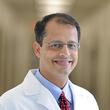
Sandeep K. Agarwal, M.D., Ph.D.
Email: skagarwa@bcm.edu
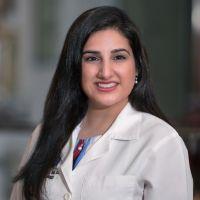
Shalini V. Jha, M.D.
Email: Shalini.Jha@bcm.edu

Markita Harrell
Email: markita.harrell@bcm.edu