
Major Instruments
The following are major instruments used to provide services in the Protein and Monoclonal Antibody Production Core.
GE ÄKTA Pure FPLC
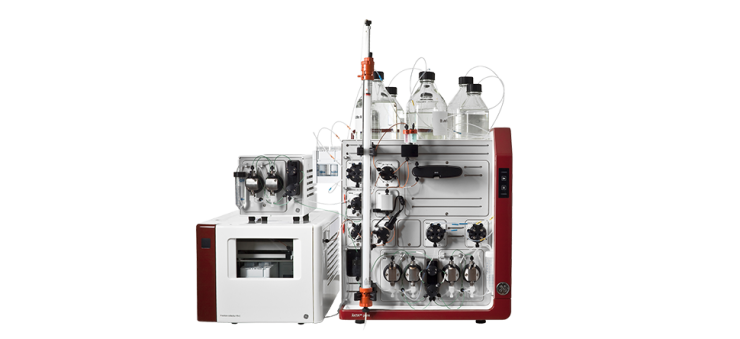
AKTA pure is a flexible and intuitive chromatography system for fast purification of proteins, peptides, and nucleic acids from microgram levels to tens of grams of target product.
Two MP mass photometer, Refeyn Ltd
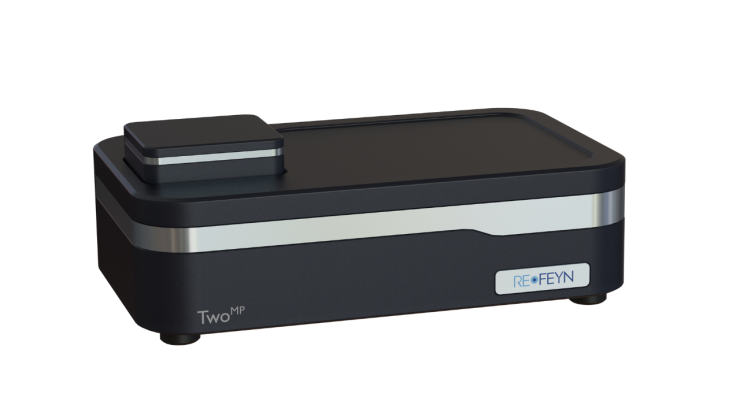
Two MP measures molecular masses of proteins and biomolecules using mass photometry. Characterize protein oligomerization interactions fast.
Hamilton ClonaCell® EasyPick Platform
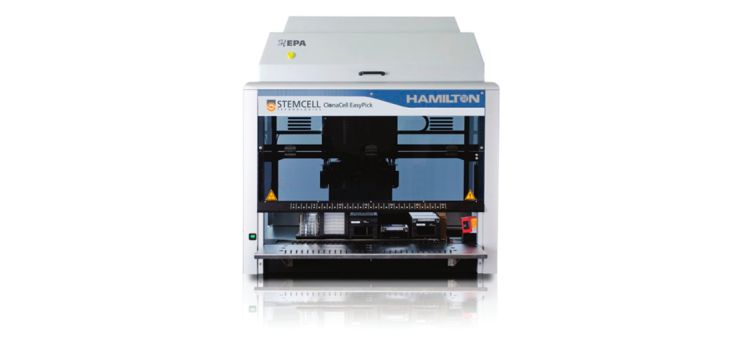
STEMCELL Technologies automated ClonaCell® EasyPick Platform merges the rapid selection and cloning of cells using ClonaCell® media with Hamiltons 30 years of experience in robotics to meet the needs of cell line development for biologics production. The core uses automated high throughput technologies for antibody production.
Malvern Auto-ITC
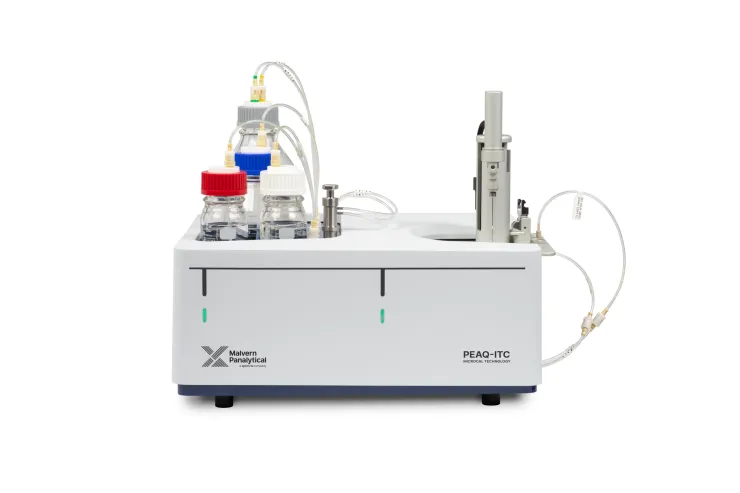
The MicroCal PEAQ-ITC is a highly sensitive and low volume isothermal titration calorimeter. It delivers direct, label-free in solution measurement of all binding parameters in a single experiment. Applications include characterizing molecular interactions of small molecules, proteins, antibodies, nucleic acids, lipids, and other biomolecules. ITC (Isothermal Titration Calorimetry) can be used to determine binding affinities and kinetics of protein and ligand (e.g., DNA, proteins, lipids, compounds) interactions.
Beckman Coulter Analytical Ultracentrifugation (AUC)
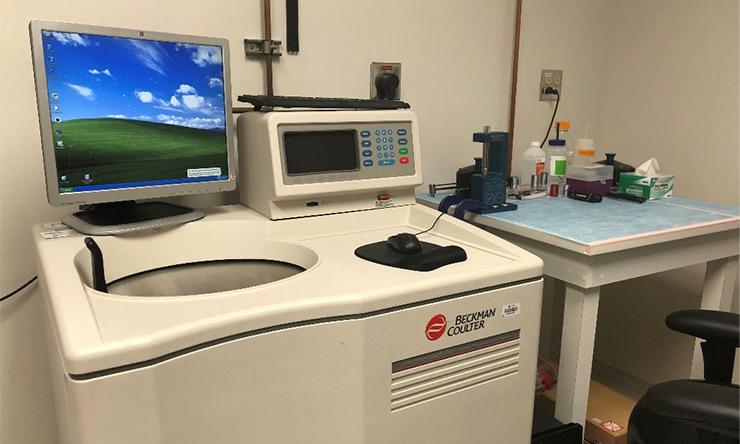
AUC (Analytical Ultracentrifugation) for determining macromolecular assembly/oligomerization constants.
Bio-Layer Interferometry OCTET (BLI OCTET)
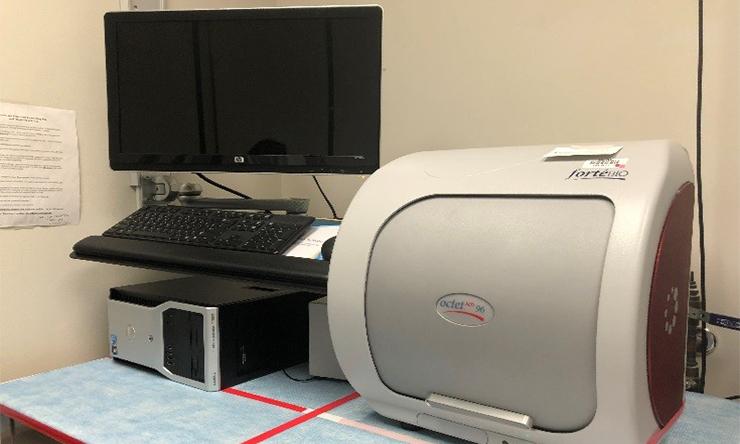
Octet systems enable real-time, label-free analysis for the determination of kinetics, affinity, and antibody/protein quantitation. Based on Bio-Layer Interferometry (BLI), this fluidics-free instrument platform offers a number of advantages over traditional label-free techniques like Surface Plasmon Resonance (SPR). OCTET (BLI; Bio-Layer Interferometry) for determining binding affinities and kinetics of protein and ligand (e.g. DNA, proteins, compounds) interactions.
Differential Scanning Fluorimetry (DSF)
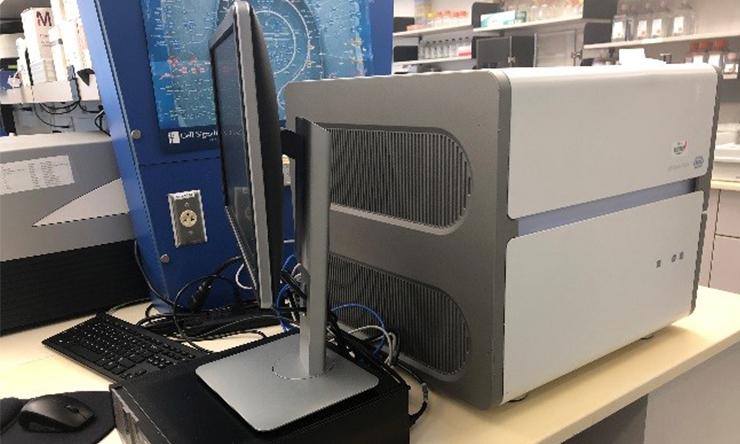
Differential Scanning Fluorimetry (DSF) using Roche thermal cycler for high throughput protein stability measurements and inhibitor screening.
Size-Exclusion Chromatography Multi-Angle Light Scattering (SEC-MALS)
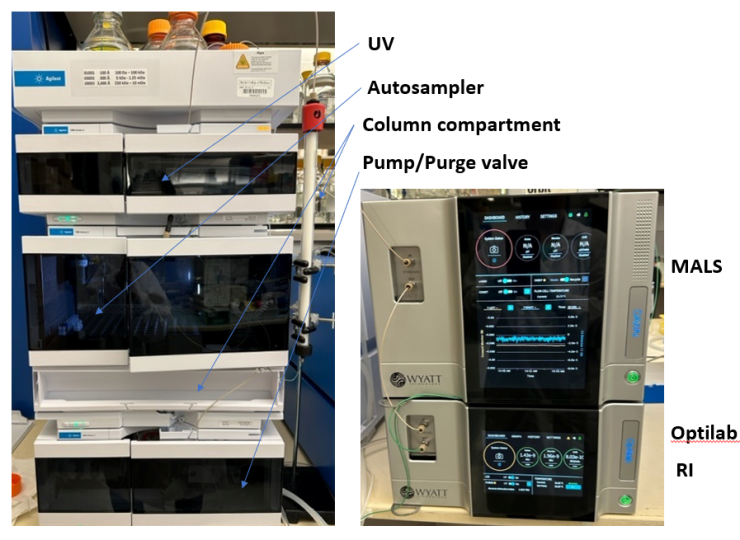
Size-Exclusion Chromatography Multi-Angle Light Scattering (SEC-MALS) for sample purity, molecular weight composition and oligomerization state determination.
RedShift Bioanalytics AuroraTX Microfluidic Modulation Spectroscopy (MMS)
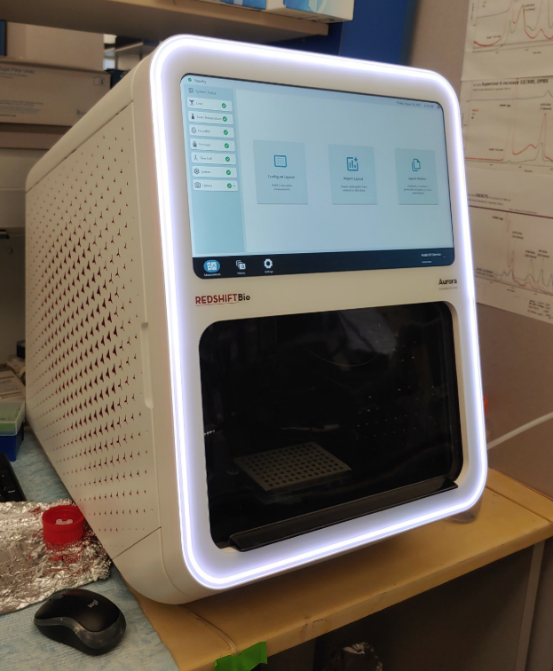
RedShift MMS is an IR spectroscopy system that provides high-resolution insight into protein and RNA secondary structure. Microfluidics modulation enables direct, label-free detection of biomolecules and can be used to validate protein and RNA structural prediction via Alphafold or other prediction techniques. RedShift MMS is sensitive to structural changes caused by ligand binding, protein conformational change, or aggregation. The MMS system is also equipped with thermal ramping for insights into thermal stability of proteins or other biomolecular interactions.
All RedShift MMS data collection and analysis will be conducted as assisted use ($100 per hour). Instrument usage is managed through iLabs.
Mosquito crystallization robot, sptlabtech
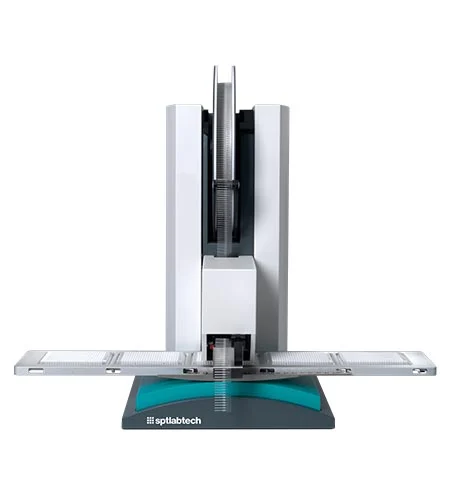
Automated liquid handling robot capable of dispensing nanoliter volumes for crystallization setups. Crystal growth screening uses hanging-drop or sitting-drop vapor diffusion methods in 96-well plates.
Formulatrix Rock Imager II, Formulatrix
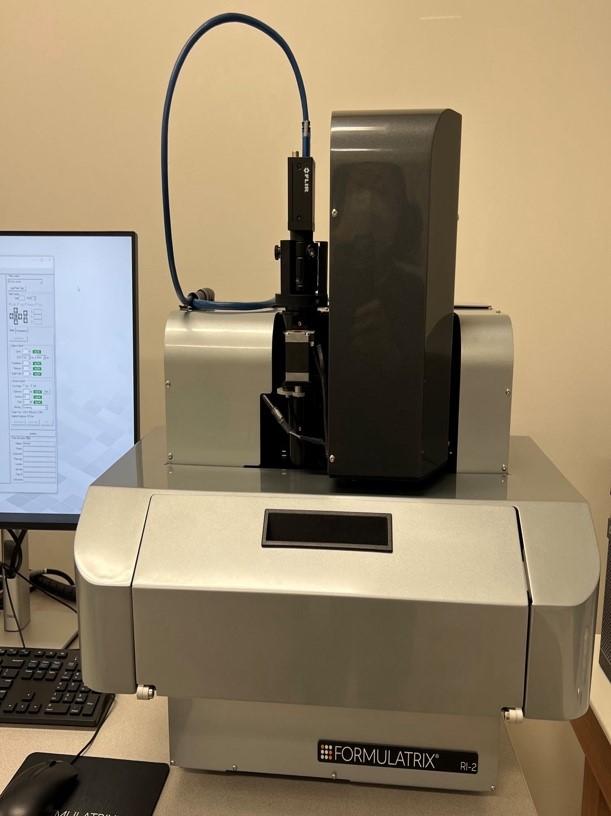
Automated imaging system for protein crystallization screening. It can be programmed to inspect a large variety of tray formats using visible, MFI/UV options.
Wyatt DynaPro NanoStar II
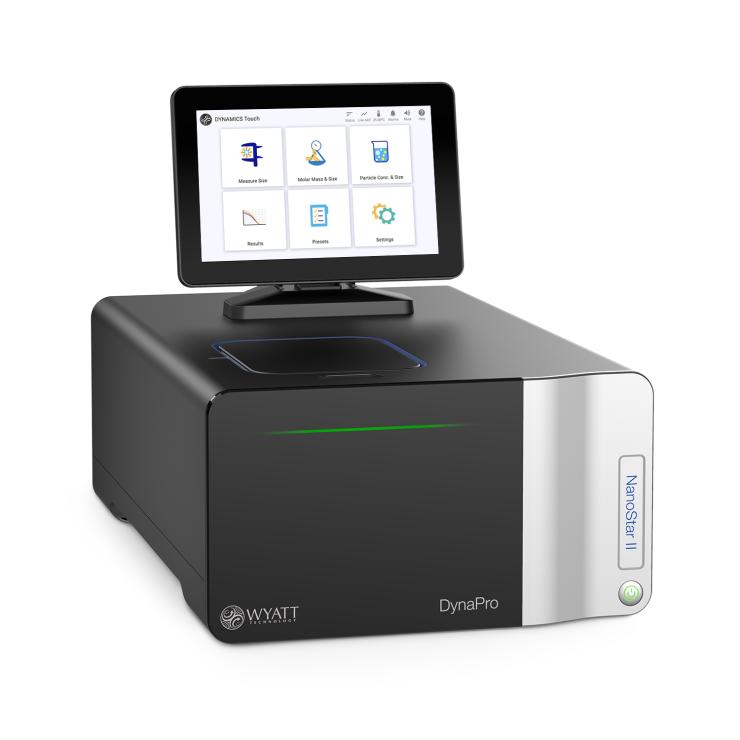
The Wyatt DynaPro NanoStar II is a dynamic light scattering (DLS) instrument that measures the hydrodynamic size of particles and macromolecules in solution using very small (microliter-scale) sample volumes.
It’s used to characterize things like proteins, nanoparticles (including lipid nanoparticles/liposomes), viruses, and gene-therapy vectors by generating size distributions and revealing aggregation or polydispersity.
With built-in temperature control and programmable ramps, it can run thermal/stress studies to see how size and aggregation change as conditions vary. Because it can measure dynamic and static light scattering signals, it can report size and (under the right experimental conditions) estimate molecular weight, supporting formulation screening and sample quality checks.