
About the Training Program
The overall goal of the Cancer Epidemiology with Real-World Data Training Program is to prepare the next generation of scientists to lead multi-disciplinary cancer epidemiology research that will reduce cancer incidence and mortality in Texas. Our Training Program encompasses both specific mentored postdoctoral training and research experiences, with an emphasis on epidemiology and health services research that harness Real-World Data (RWD) and leverage bioinformatics and novel technologies, including artificial intelligence. Funding is provided by the Cancer Prevention and Research Institute of Texas (CPRIT).
The program is open to Ph.D. epidemiologists or bioinformaticians or M.D.s/DVMs with relevant training. This Program is not restricted to permanent U.S. residents or citizens. Training grant support includes stipend, fringe benefits and a modest travel and research allowance. All trainees will receive appropriate training in the Responsible Conduct of Research, which includes both didactic lectures as well as small group discussion and problem sessions. All trainees will participate in a yearly DLDCCC Symposium with either a poster or an oral presentation.
Program Leadership

Aaron Thrift, Ph.D.
Dr. Aaron Thrift is the Program Director. Dr. Thrift is a tenured Professor and Chief of the Section of Epidemiology and Population Sciences at BCM. He holds the prestigious William T. Butler, M.D., Endowed Chair for Distinguished Faculty and leads the Cancer Prevention and Population Sciences Program in the Dan L Duncan Comprehensive Cancer Center at BCM. Dr. Thrift’s research focuses on cancer epidemiology, with a particular emphasis on gastrointestinal cancers, including esophageal, gastric, liver, and colorectal cancers. His work spans risk prediction, genetic epidemiology, health disparities, and cancer prevention.
Chao Cheng, Ph.D.
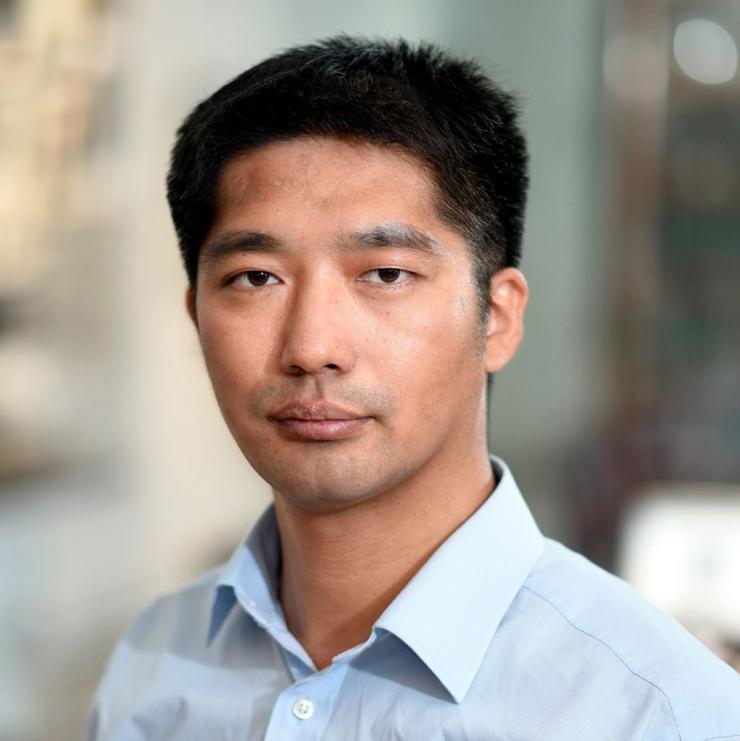
Dr. Chao Cheng is the Program Co-Director. Dr. Cheng is a tenured Professor in the Section of Epidemiology and Population Sciences at BCM and is recognized as a leader in cancer computational biology. Dr. Cheng’s research focuses on computational cancer systems biology, cancer genomics, and cancer immunology. His laboratory has developed methods to: i) identify transcriptional regulatory programs that serve as prognostic biomarkers; ii) define pathway-based gene signatures for predicting patient outcomes and therapeutic response; iii) infer immune cell infiltration and characterize tumor immune microenvironment states using gene expression data; and iv) systematically repurpose FDA-approved drugs for new clinical applications.
Unique Aspects of the Training Program
Several unique aspects of the Training Program are:
- Specifically tailored multidisciplinary mentoring teams
- Personalized curriculum for each postdoctoral associate
- Individual development plan
- Well-funded, dedicated mentors from Baylor College of Medicine, MD Anderson Cancer Center, Rice University and the University of Texas School of Health Informatics
Each trainee's path through the Program is multidisciplinary and self-directed, and they're backed by a flexible curriculum that can support them in their unique pursuits. Postdocs work directly with their mentoring team and the Program Director to set the trajectory of their curriculum, translate long-term career goals into achievable milestones, and cultivate a network of specialists to support large-scale research.
Baylor College of Medicine and the Texas Medical Center provide an outstanding training environment because of the proximity of two NCI Cancer Centers, two medical schools, Rice University, and both public and private hospitals.
Membership
View our directory of our current cancer center members or apply to become a member.
Training Program Announcement
Download a copy of the Cancer Epidemiology with Real-World Data Training Program announcement.