Are you getting enough protein?
Whether in popcorn, chips or a new beverage, protein-containing snacks have become popular. With this rise in protein-filled products, how do you know if you’re consuming too much protein or too little? Registered dietitian at Baylor College of Medicine, Claire Edgemon, explains how much protein we need daily and the importance of having it in our diet.
Protein is made up of amino acids. Some of the amino acids are essential, which means we must get them from our diet. Edgemon says that because we don’t store protein, we have to eat it every day to make sure we have enough of the essential amino acids to synthesize protein for our body’s needs.
“Lots of places in the body use protein. All of our hormones, our enzymes that help with our body’s reactions, metabolism and antibodies that fight off infection all are protein,” Edgemon said. “Our hair, skin, nails, organs and muscles are made of protein, and because we don’t store it, we have to eat it daily.”
For animal proteins, Edgemon recommends meats that have less than 10% saturated fat, like:
- Ground beef
- Chicken
- Turkey
- Lamb
- Pork
“Fish and other seafood are excellent sources of protein. There are also eggs, low-fat or fat-free dairy, cheese, cottage cheese and yogurt,” Edgemon said.
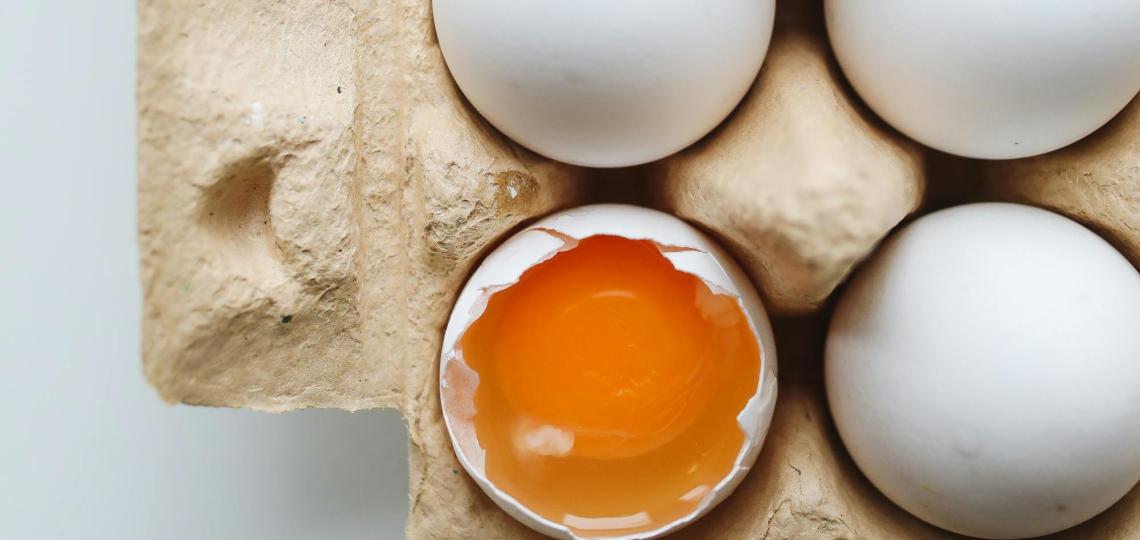
For breakfast, eggs are a good source of protein. You can add cheese and vegetables to them. Yogurt is also a good option, and you can include fruit. For a convenient, protein-filled lunch, you can eat tuna pouches with individual pre-made salads.
“For dinner, you can include a serving of meat for your protein. The palm of your hand is about 3 ounces, which is the recommended serving size,” Edgemon said. “Whatever meat you like, you can add a side of vegetables. Snacks during the day can be nuts or seeds.”
For plant-based proteins, try:
- Unsweetened soy milk
- Edamame
- Tofu
- Nuts and seeds
- Beans, peas, lentils and legumes
While vegetarians might focus on eggs to get their protein, Edgemon says that vegans need to be intentional about meeting their protein needs.
“If you are vegan, you will probably have to eat more beans, peas and lentils. Soy is an excellent meat substitute,” Edgemon said.
For adults up to the age of about 40, the recommended dietary allowance (RDA) of protein is 0.8 grams per kilogram of body weight per day or 0.36 grams per pound. At each meal, you should eat about 15 to 30 grams of protein.
“Over 40, you start losing protein and muscle, so the protein intake increases to about 1 to 1.2 grams per kilogram. Your intake also depends on the type of exercise you are doing,” Edgemon said.
If you are not eating enough protein, your body can start to break down muscle tissue. You can experience hair loss, low hormones, enzymes and antibodies to fight off infections. Eating too much protein can be a problem as well.
For example, eating red meat, which is higher in saturated fats, can increase the risk of heart disease, increase your cholesterol and your chances of getting cancer.
“Higher protein intakes create more acid in the body, which then puts stress on the kidneys and can increase the risk of kidney stones. To balance that, our bodies start breaking down our bones, so we lose calcium to help manage the high acid. Over time, you could start to see issues with your bone health,” Edgemon said.