
Peter Dimitrion, M.D., Ph.D.
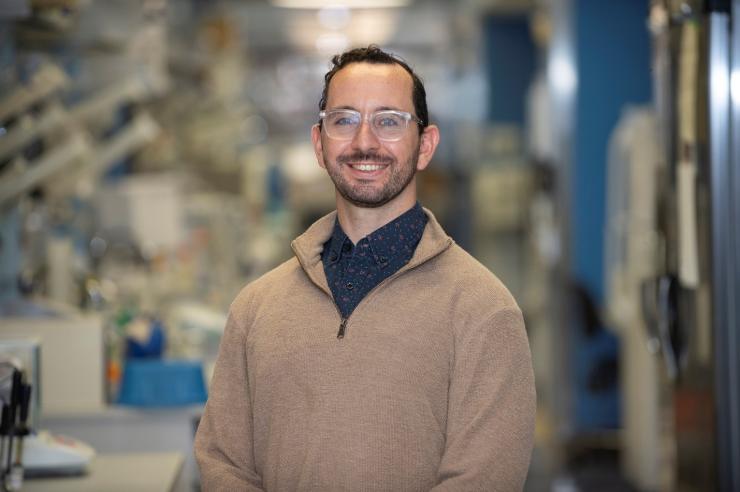
Hometown: Honolulu, Hawaii
Undergraduate Institution: University of Pittsburgh
Graduate School: Johns Hopkins University
Medical School: Wayne State University
Fellowship Interest: Heme/Onc Bone-Marrow Transplant or Neonatology
Research Interests: Developmental origins of health and disease with a particular focus on early life immune dysfunction, oncogenesis, and epigenetics.
How does the PSP Program support your career development? The PSP is the perfect environment to make the transition from trainee to independent investigator without losing momentum on either side of my training. The program's structured research pathway and significant commitment to protected research time allow me to think about bigger research questions to pursue at the bench as I progress through a rigorous clinical curriculum that exposes me to rare and complex cases. This environment truly fosters the reciprocal benefits of training at both the bench and the bedside. Paired with the vast resources in Heme/Onc and Neonatology, the TCH/TMC ecosystem is a truly unparalleled training environment. Even more important are the people. Training alongside other budding physician-scientists at the same stage and with faculty who have navigated the same funding and career pressures provides the necessary support and mentorship to navigate the difficult, unpredictable training that comes with becoming a physician-scientist.
Conner Earl, M.D., Ph.D.

Hometown: Las Vegas, Nev.
Undergraduate Institution: Brigham Young University (B.S., Chemical Engineering)
Graduate School: Purdue University (Ph.D., Biomedical Engineering)
Medical School: Indiana University School of Medicine
Fellowship Interest: Pediatric Cardiology
Research Interests: Cardiac imaging, 3D imaging, image processing, congenital heart disease, artificial intelligence, biomechanics
How does the PSP Program support your career development? The PSP is structured to give me the support and mentorship I need to continue my path toward independent research as a physician-scientist. My PhD gave me a strong technical foundation in engineering, imaging, artificial intelligence, and biomechanics, and the PSP offers the opportunity to further develop these interests through strong mentorship and career support. The structured programming and protected research time are exactly what I need right now to prepare for a fellowship and my early research career. The Texas Medical Center ecosystem and the support structures at Baylor College of Medicine and Texas Children’s Hospital are also major assets for growth and learning as a pediatric physician-scientist.
Erin Elizabeth Bolte, M.D., Ph.D.
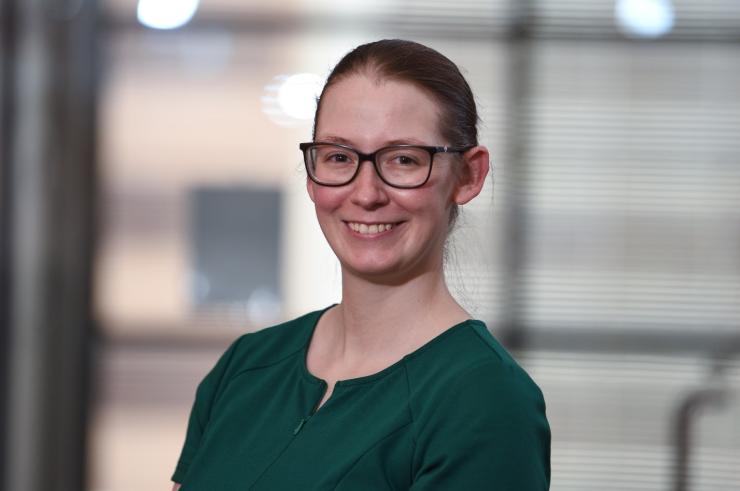
Hometown: New Lenox, Ill.
Undergraduate Institution: University of Notre Dame (B.S.)
Graduate School: University of Guelph, Ontario, Canada (M.Sc.)
Medical/Graduate School: Baylor College of Medicine (M.D./Ph.D.)
Fellowship Interest: Developmental and Behavioral Pediatrics
Research Interests: I’m interested in the microbiome-gut-brain axis as a target for neurodevelopmental disorders like autism.
How does the PSP support your career development? The PSP has enabled me to make connections within the world’s largest medical center, while simultaneously offering a broad and deep clinical exposure to pediatric medicine at Texas Children’s Hospital. Because of the size of the Texas Medical Center, there are always researchers with aligned interests ready to mentor, collaborate, network, or teach! I feel genuinely supported and cared for by the PSP leadership, who are always looking for individualized opportunities for PSP trainees.
Kali Deans-Fielder, M.D., Ph.D.
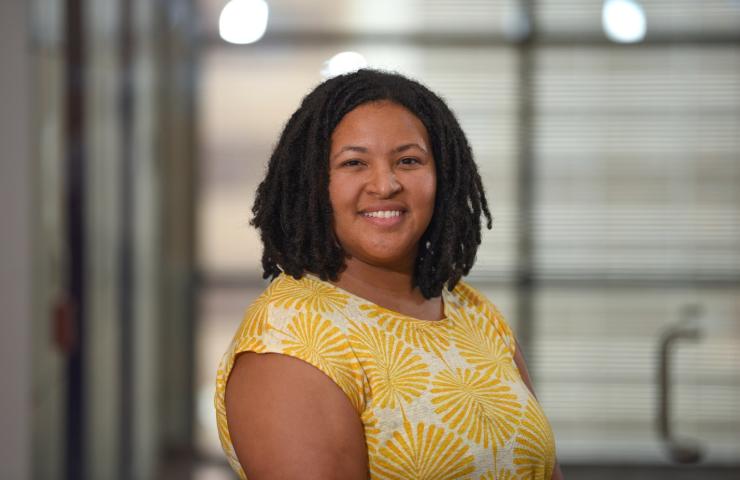
Hometown: Oak Park, Ill.
Undergraduate Institution: University of Wisconsin-Madison
Graduate School: Baylor College of Medicine
Medical School: Baylor College of Medicine
Fellowship Interest: Gastroenterology and Hepatology
Research Interests: Intestinal Epithelial Pathophysiology, Nutrition
How does the PSP support your career development? The PSP program offers a dynamic, career-focused curriculum that actively connects trainees with opportunities and mentorship they might not otherwise encounter. It intentionally facilitates mentorship aligned with my fellowship and research interests, both within and beyond the department and institution. Program leadership strongly supports protected research time and cultivates a vibrant community through meaningful social engagement with like-minded peers across related fields.
Marisa Pinson, M.D., Ph.D.
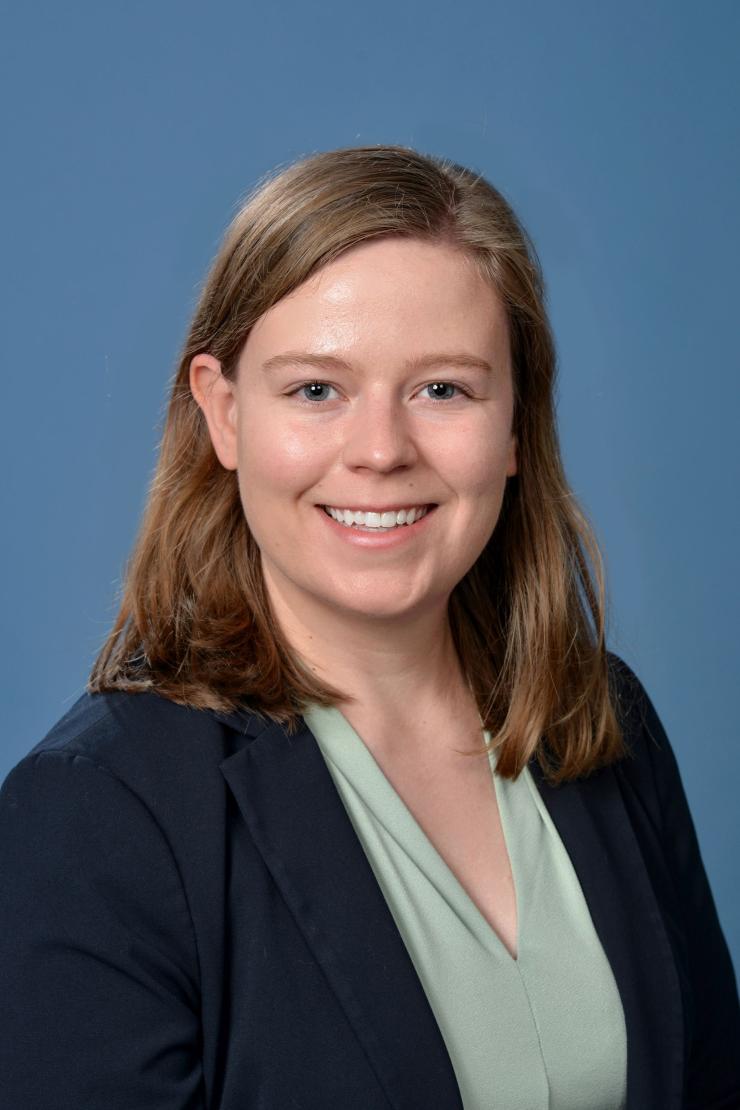
Hometown: Beaumont, Texas
Undergraduate Institution: Baylor University, Waco, Texas
Medical/Graduate School: Texas A&M Health Science Center College of Medicine
Research interests: I am interested in the developmental origins of health and disease and the placenta-brain axis. My research interests lie in gene-environment interactions, specifically how gene expression changes in response to prenatal/perinatal exposures (e.g., alcohol, marijuana, opioids) and how these expression changes in the placenta have downstream consequences on fetal brain development. I want to elucidate mechanisms of short-term (mal)adaptations and correlate them with long-term health outcomes to identify points of intervention.
Fellowship Interest: Developmental-Behavioral Pediatrics, Neurodevelopmental Disorders
Why did you pick Texas Children's/Baylor Pediatrician-Scientist Program? I was initially interested in Baylor PSP because of how well-designed and structured it was to help my training as not only a pediatrician but also as a scientist, with regular meetings with mentors and well-laid-out annual goals. However, I knew it was the right place for me when I met the people and experienced firsthand just how supportive they are, listening to my research ideas and career goals and immediately putting me in touch with people of similar interests. Between the research potential, the excellent mentorship, and ample time for research built into the program, I could not have picked a better place.