
The Texas Lifespan LEND Program is a federally funded leadership training program housed within Baylor College of Medicine and Texas Children’s Hospital. This program is a collaboration between Developmental Pediatrics at Texas Children’s Hospital, Baylor Transition Medicine Clinic, and several community organizations and partners. The goal of the LEND training program is to improve access to healthcare and services for individuals with disabilities and their families by training diverse groups of professionals in leadership, cultural competence, clinical knowledge, advocacy, and interdisciplinary collaboration between health care professionals and families. The LEND Framework is based upon the Maternal Child Health Bureau (MCHB) Life Course Perspective, which is a conceptual framework that views health as an integrated continuum shaped by biological, behavioral, psychological, social, and environmental factors interacting across an individual's entire lifespan. The program was created to address critical workforce and systems gaps affecting individuals with autism and other developmental disabilities across the United States.
Texas Lifespan LEND prepares future leaders to improve access, quality of care, community inclusion, and systems coordination for individuals with disabilities and their families across the lifespan. Training emphasizes collaboration across healthcare, education, public health, community organizations, advocacy systems, and family support networks. Texas Lifespan LEND is one of only approximately 60 programs nationally.
What Makes Our Program Unique?
Our program is one of the few training opportunities in Texas designed to address the needs of individuals with developmental disabilities from early childhood through adulthood. Through partnerships that span pediatric and adult care and community systems, trainees develop a comprehensive understanding of lifespan services and support.
Trainees learn alongside professionals, graduate students, family members, and self-advocates from a wide range of backgrounds. This interdisciplinary model reflects the real-world systems that individuals and families navigate every day.
Family members and self-advocates are not only participants in the program but also serve as faculty members, mentors, advisors, and leaders. Their perspectives help shape program priorities, training experiences, and future systems change efforts.
The Texas Lifespan LEND Program extends learning beyond the classroom by connecting trainees with the systems, services, and communities that support individuals with disabilities across the lifespan. Through partnerships spanning healthcare, education, employment, community living, recreation, advocacy, and public service, trainees develop a deeper understanding of the factors that influence participation, inclusion, and well-being.
Strong collaborations with healthcare providers, schools, community organizations, disability service agencies, advocacy groups, public health entities, and government partners across Texas create rich opportunities for experiential learning. These partnerships help ensure that trainees learn directly from the communities they will serve and develop the leadership skills needed to advance system change and improve outcomes for individuals with disabilities and their families.
A flexible learning model combines in-person, virtual, and asynchronous experiences, allowing trainees from across Texas, including rural and underserved communities, to participate.
Who Participates in Texas Lifespan LEND?
The Texas Lifespan LEND program provides graduate-level interprofessional training through academic, clinical, and community opportunities. This program is intended to be completed in conjunction with work or other graduate-level training commitments.
The Texas Lifespan LEND Program welcomes participants from a broad range of disciplines and backgrounds. Lack of inclusion on this list does not exclude you from participation in the program, so please reach out for additional details if you are interested, but your discipline is not included in the list below. Depending on the training track, participants may include:
- Physicians and physicians-in-training
- Psychologists
- Social workers
- Speech-language pathologists
- Audiologists
- Creative Arts
- Dentistry
- Nutrition
- Licensed Professional Counselors (LPC)
- Occupational therapists
- Physical therapists
- Educators
- Public health
- Legal professionals
- Community providers
- Family members
- Self-advocates
- Graduate students
- Emerging leaders in disability services and support
Our goal is to create a learning community where professional expertise and lived experience are equally valued.
Who is a LEND Trainee?
A LEND trainee is someone chosen to take part in the LEND program so they can grow as a leader in Maternal and Child Health.
A trainee can be:
- A graduate student who wants to work with people with disabilities
- A parent of a child with a disability
- An adult with a disability
- A professional who already works in the field and wants to share what they know
The LEND program helps trainees learn new skills, build confidence, and become strong leaders. They also learn from each other by sharing their experiences and ideas.
Trainee Tracks
Long-term trainees participate in an intensive leadership development experience designed to prepare future leaders in disability services, healthcare, education, public health, advocacy, and community systems. Participants engage in interdisciplinary learning, mentorship, leadership development, community engagement, and systems-improvement activities while working alongside family and self-advocate leaders. Long-term trainees are required to complete 300+ hours per academic year to be stipend-eligible. Hours are completed through a combination of live and virtual Friday "in-class" participation, accompanied by community experiences that are scheduled at the trainee’s convenience and asynchronous opportunities. Friday participation is required.
Applications will open November 1st, 2026 and will be considered on a rolling basis.
Upcoming Cohorts:
- Jan. 8, 2027 – July 30, 2027 (inaugural cohort)
- Sept. 10, 2027 – June 2, 2028
A complete application is required for consideration as a long-term trainee. Apply here.
For questions, contact:
Jennifer Cervantes, LCSW-S
Associate Program Director
832-824-8386
jcervant@bcm.edu
Medium-term trainees complete a less intensive training experience involving multiple educational and leadership activities over the course of 1 program year. Participants deepen their knowledge of interdisciplinary practice, systems of care, cultural responsiveness, community partnerships, and person- and family-centered approaches. The MTT program is not stipend-eligible but allows trainees to design their own learning experience. MTT trainees must complete between 40-299 hours of training over the course of the program year.
The MTT program is available to graduate students, residents, professionals, family members, self-advocates, community advocates, etc.
MTT Training Program includes participation in:
- Didactic seminars and active learning activities
- Community site visits
- Special events
Apply here.
For questions, contact:
Jennifer Cervantes, LCSW-S
Associate Program Director
832-824-8386
jcervant@bcm.edu
Short-term trainees participate in focused educational experiences designed to increase awareness and understanding of autism, developmental disabilities, leadership, family-centered care, advocacy, and disability systems. These training opportunities may include individual workshops, webinars, guest lectures, conferences, or selected program activities. STTs complete up to 40 hours of training, and no application is required.
For questions, contact:
Jennifer Cervantes, LCSW-S
Associate Program Director
832-824-8386
jcervant@bcm.edu
Program Requirements
To be accepted to the LEND program, applicants must commit to completing all program parts listed below.
Trainees will be required to be available for seminars on Fridays from 9 a.m. to 3:30 p.m. Approximately 50% of sessions will be held in person at 8080 North Stadium Drive, Suite 200, Houston, TX 77054. The other 50% of sessions will be held virtually (live) via Blackboard and Zoom platforms.
Trainees will be given the full seminar schedule at the start of the training year.
Units covered during the academic year include:
- Theoretical Concepts Related to Disabilities & Foundations of Development
- Person & Family-Centered Care
- Neurodevelopmental Disabilities, including autism
- Systems Issues
- Transition to Adulthood and Lifespan Issues
- Current and Emerging Hot Topics
- Cultural and Linguistic Responsiveness
- Population Health, Legal Perspectives, Advocacy
Clinical and site visit experiences occur outside of the Friday seminars and are scheduled at the trainee's convenience through coordination/scheduling with the LEND coordinator.
A schedule of all available clinical and site visit opportunities will be provided at the start of the academic year so that trainees can pick the dates/times that work for their personal schedules. The visits include various programs and intervention sites that individuals with developmental disabilities may access over their lifespan.
All clinical and site visit experiences typically occur between the hours of 8 a.m. - 5 p.m., Monday-Friday, but trainees are able to pick their preferred dates well in advance.
As part of their training experience, LEND trainees will complete a small-scale Quality Improvement (QI) project focused on enhancing services, systems, or outcomes for individuals with disabilities and their families. Trainees will identify an area for improvement, collect and analyze relevant information, implement a change or intervention, and evaluate its impact. The project is designed to build skills in leadership, interdisciplinary collaboration, systems improvement, and data-informed decision-making while addressing a real-world issue relevant to disability services, healthcare, education, or community supports.
LEND trainees are required to attend two conferences during their training year.
One conference will be incorporated into a scheduled Friday seminar day and coordinated by the LEND program. In addition, trainees must attend a second local conference or professional development event relevant to disability, leadership, advocacy, healthcare, education, or related fields.
The second conference may be completed at the trainee’s convenience and must receive prior approval from LEND program leadership. This requirement is intended to expand trainees’ exposure to current research, best practices, interdisciplinary collaboration, and community engagement.
Core Faculty
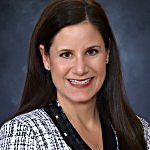
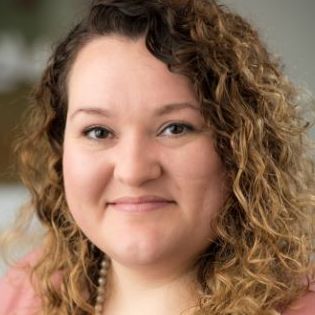
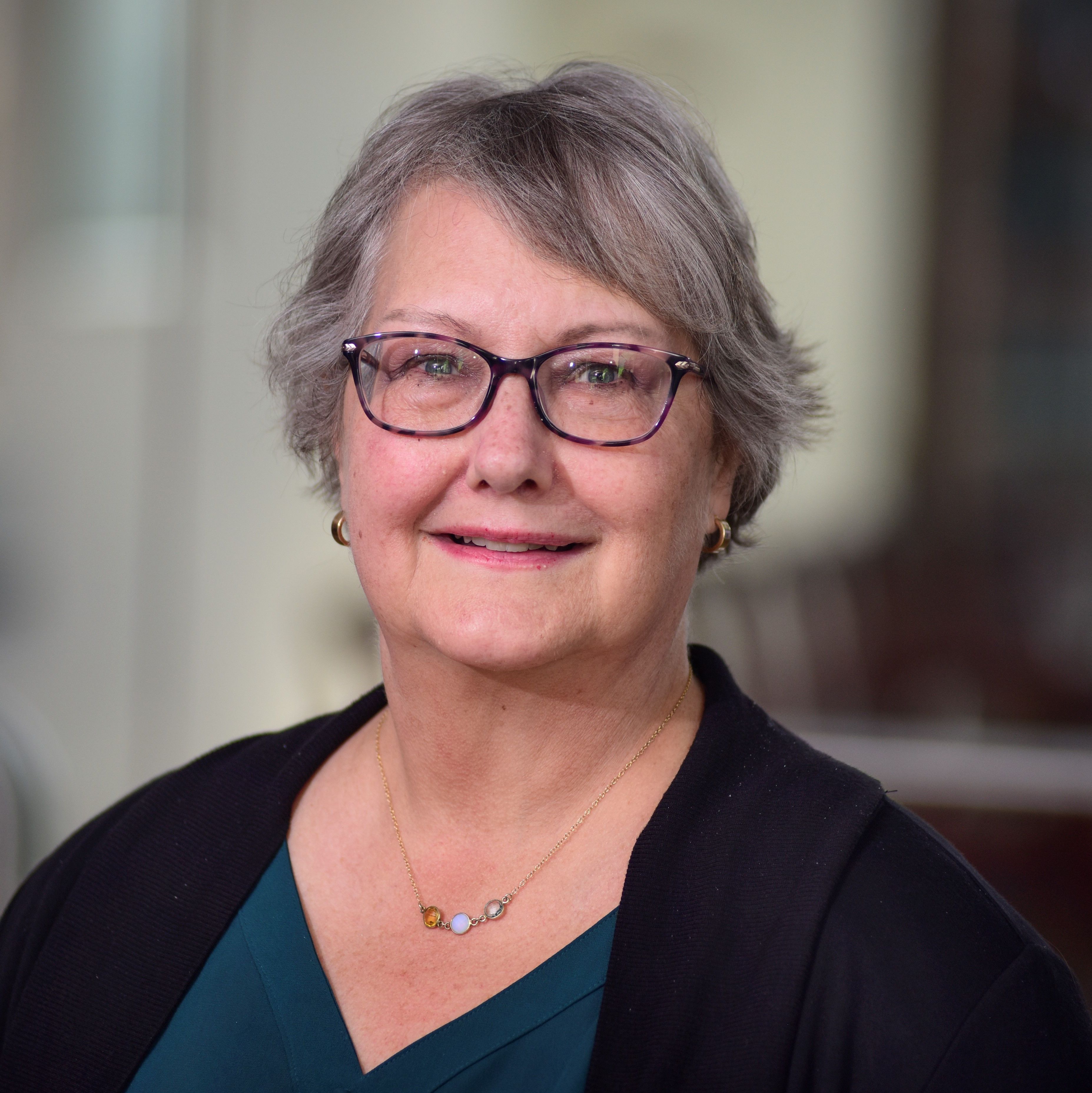
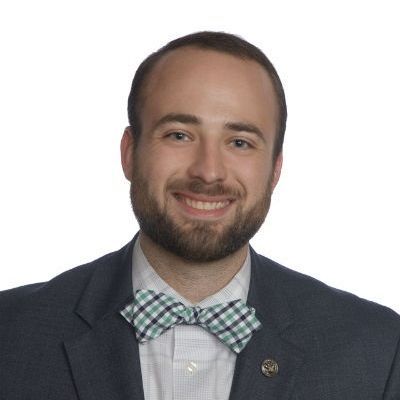
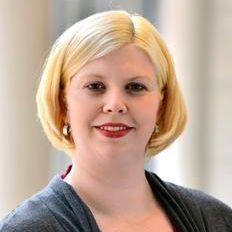
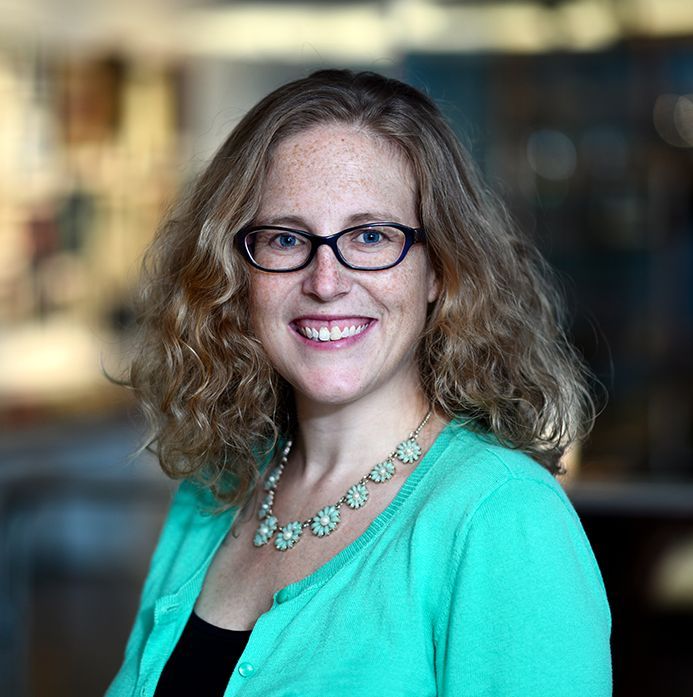


- Angel Ponce – Director of the Mayor’s Office for People with Disabilities (Self-Advocate Faculty)
- Ashley Kress – Chief Developmental Officer, Pursuit Center (Family Member Faculty)
- Debbie Vaughn (Family Member Faculty)